
10 Things You Should Know About Deer in Winter
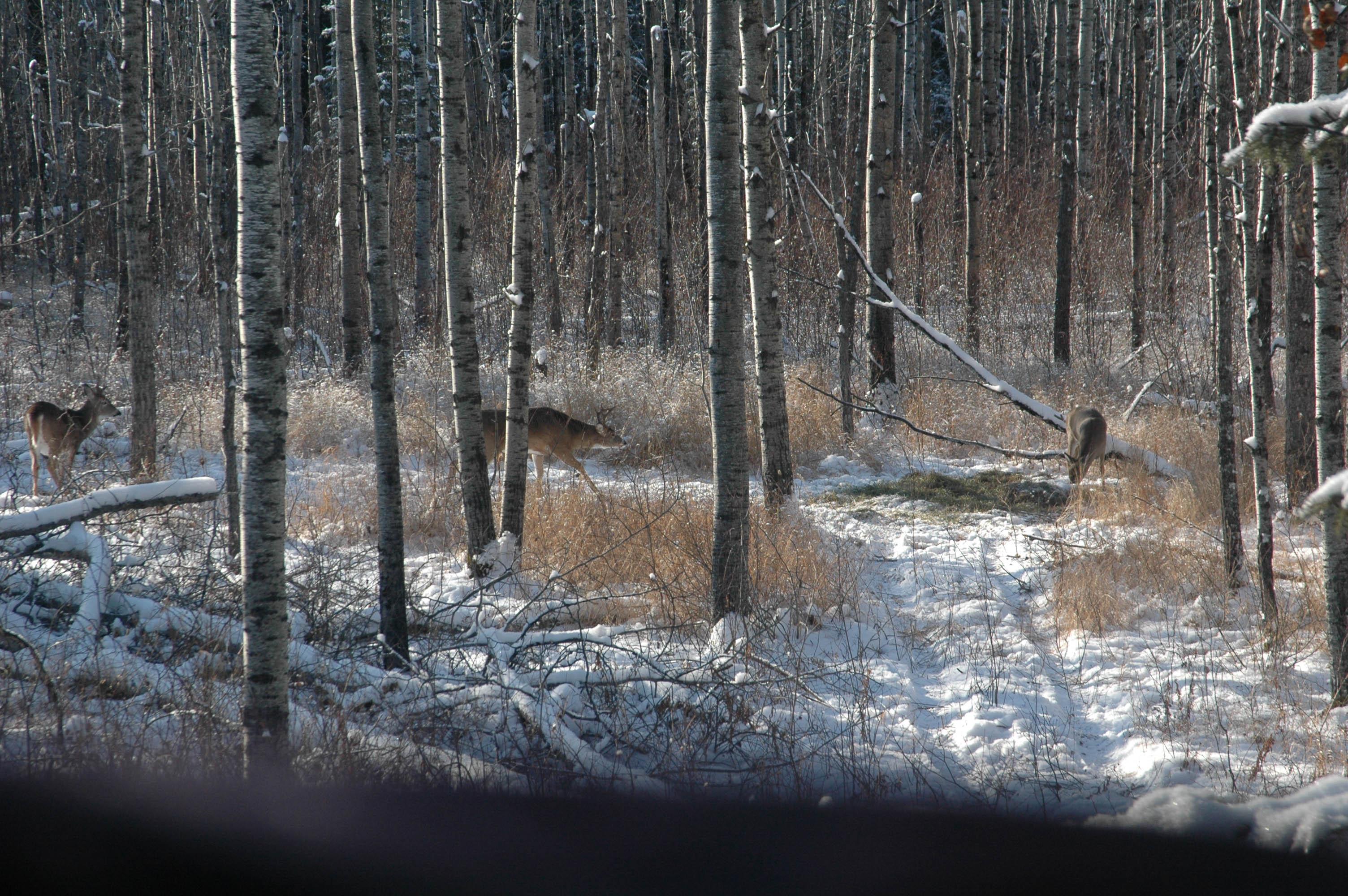

Whitetails are built to survive. They can withstand extreme droughts and brutal winters. March is the telltale month, however, that dictates whether the young, old, weak and sick animals survive to see another year. Here are 10 facts about deer in winter that will help you better understand America’s greatest game animal.
1. During winter, more than any other time of year, whitetails are driven by their stomachs. The harsh conditions deer endure at this time of year often cause a negative energy balance — they expend more energy then they consume.
2. Wintering whitetails keep their movements to a minimum, often traveling exclusively between food sources and bedding areas mostly during daylight. By bedding primarily in the evening, deer minimize heat loss by shutting down during the coldest hours.
3. By midwinter, deer gear down to an almost semi-hibernating state, decrease their food intake by about 30 percent, and decrease their activity by at least 50 percent.
4. When severely stressed, they might restrict their activity to less than 80 acres, feed mainly during warmer daytime hours, and refuse to travel more than a few hundred feet from shelter to food.
5. Hemlock, maple, ash, birch, aspen, and various shrubs—which offer comparatively low nutrition—suffice only when available in great variety and abundance, or when consumed with more nourishing foods.
6. Does and fawns that enter winter with maximum fat reserves can withstand a 30 percent weight loss without dying, but adult bucks commonly lose about 25 percent of their peak body weight during the autumn rut.
7. Most deer, especially mature bucks, favor travel routes that provide two things: security cover and a path of least resistance.
8. Deer yards are often stands of mature conifers and cedars that offer shelter from wind. These adaptations aid deer in surviving the almost unbelievably harsh conditions of Northern winters.
9. Southern whitetails eat more woody browse as the abundance of forbs declines in summer. Interestingly, this trend is reversed in Northern habitats where deer consume forbs in summer and depend almost exclusively on browse in winter.
10. Signs that deer densities are too high include well-defined browse lines, small antler sizes for yearlings and even older bucks, low body weights and low levels of palatable foods.
— Dan Schmidt’s Whitetail Wisdom book is now available as a Kindle version. For more information, click here.
Related Articles
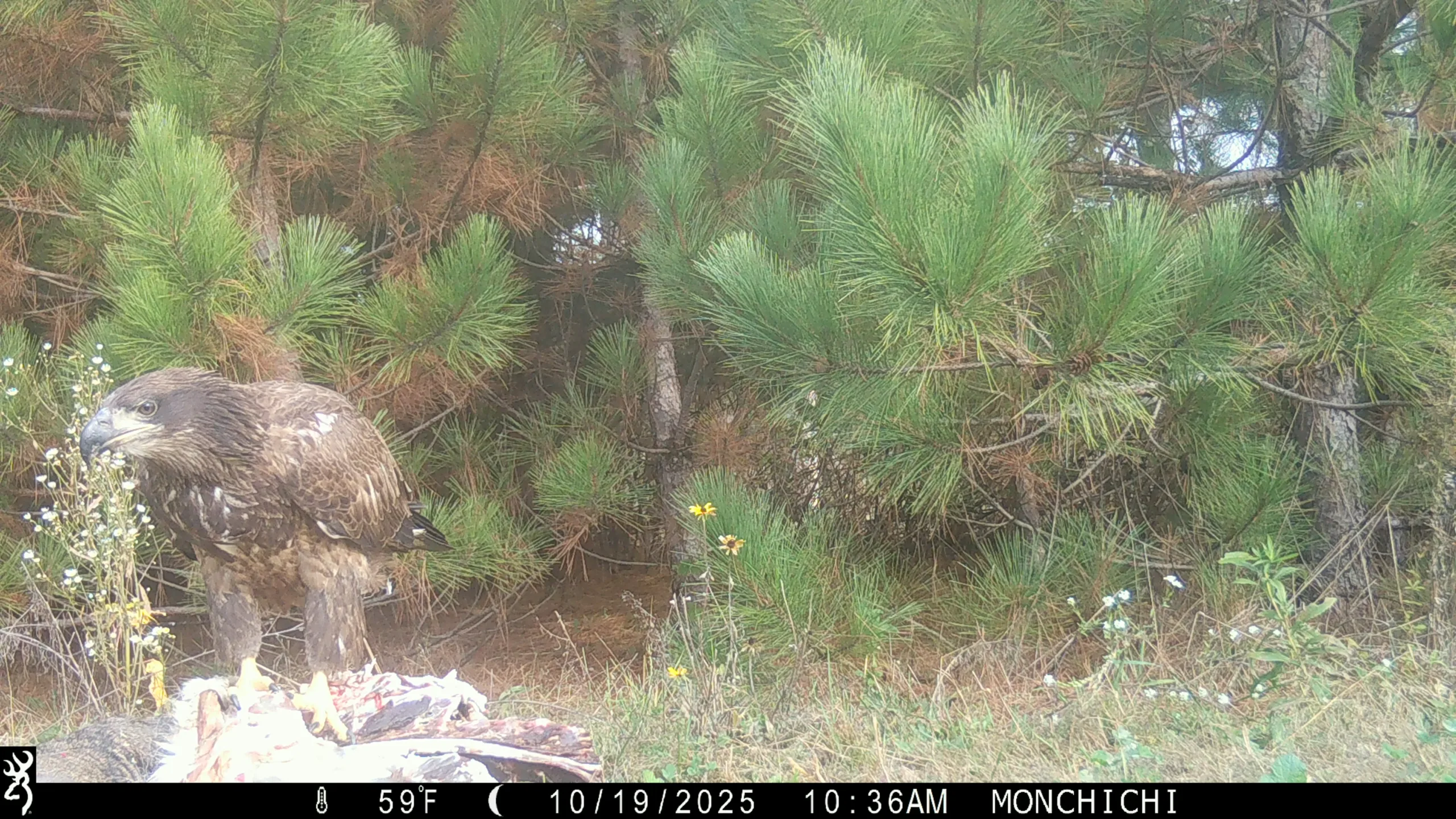
Deer Carcass Cleanup: What Wildlife Eats the Remains?
A harvested deer feeds more than the hunter’s family. From bald eagles and crows to coyotes and raccoons, discover the surprising variety of wildlife that benefits from deer remains.
Read More about Deer Carcass Cleanup: What Wildlife Eats the Remains?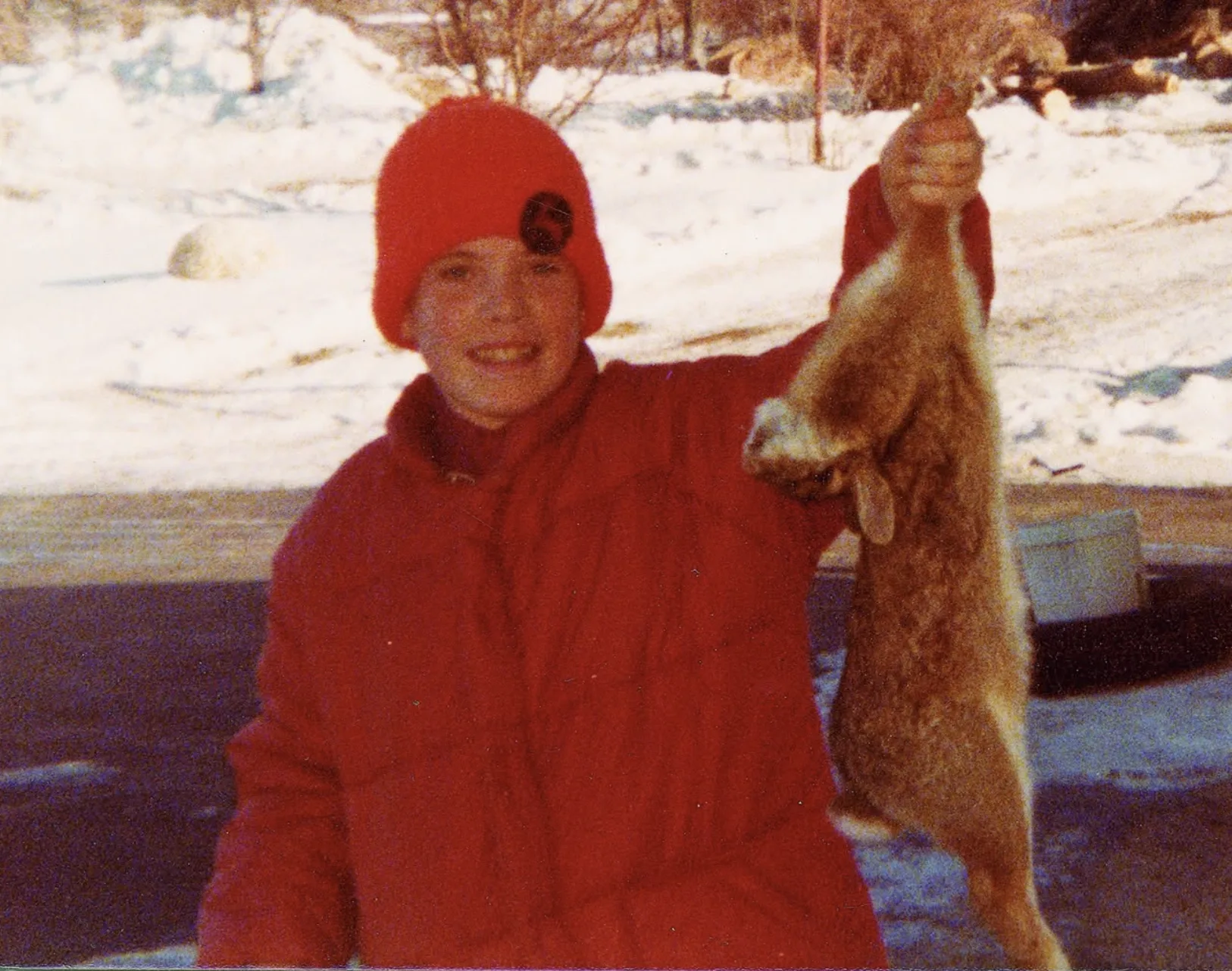
Take Them With You
More than 50 years later, Daniel E. Schmidt still remembers the rabbit hunt his older brothers let him join — and the lesson that memory carries for hunters today.
Read More about Take Them With You
Sorry, But It’s Not a Bolt
It is time. Time to stop the bickering and childish rhetoric over a simple piece of equipment in the deer-hunting world. I’m specifically talking about the term “bolt” when referring to a crossbow projectile. The term was cute — and technically accurate — when it was coined generations ago. But it has long outlived its […]
Read More about Sorry, But It’s Not a Bolt