
#5: How to Plant a Food Plot | Alsheimer’s Greatest Insights
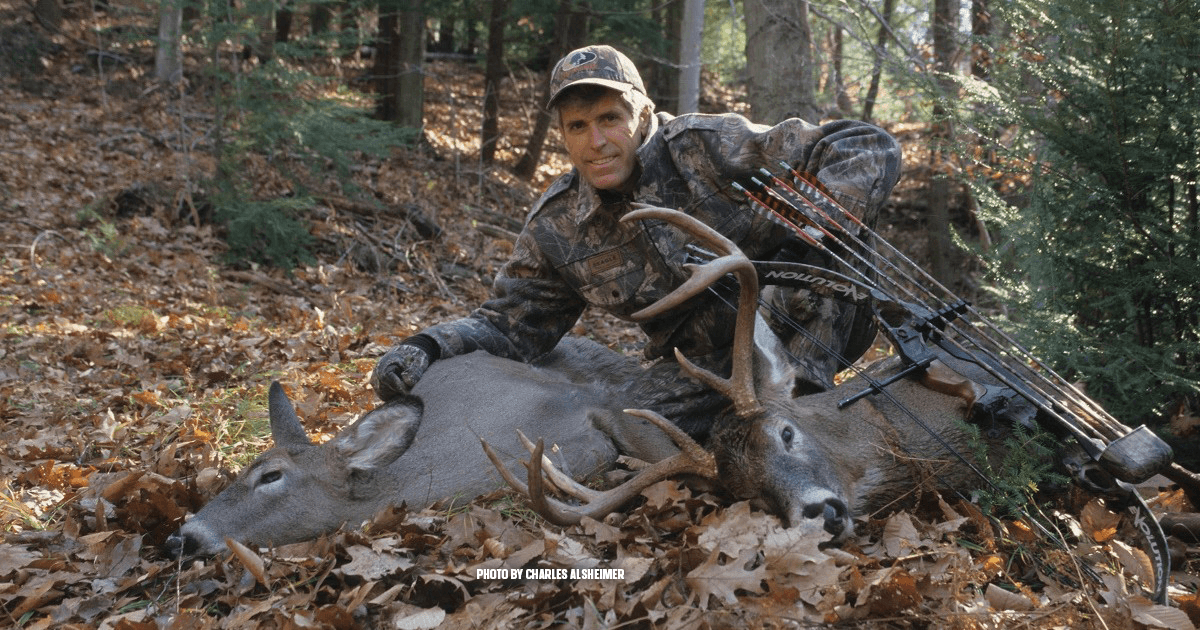
Along with practicing QDM, Alsheimer was one of the first food-plot practitioners north of the Mason-Dixon line.
“Food plots were popular in the South for many years before we got started,” he said. “They did it out of necessity — there just wasn’t a lot of native vegetation for the deer to eat. Well, not enough of it to provide year-round nutrition. My eyes were opened to these new ideas after I flew to Texas and visited with legendary deer manager Al Brothers.”
Two of the biggest take-aways Alsheimer got from that meeting were how to manage deer for age and how to provide them with proper nutrition.

“It didn’t take long for us to realize that you have to get the ‘stones’ right, so to speak,” he said. “Without the right soil, you’re not going to accomplish much.
“Plants that deer feed on are for the most part nothing more than the delivery device for the nutrients in the soil. Consequently, it is critical to get the soil’s pH as good as possible to ensure optimum food plot success. Over the years I’ve worked diligently to improve our soil’s pH before the first seed is planted.”
Due to his farm’s soil structure, Alsheimer had to apply many tons of lime to get the food plot location’s soil pH over 6.0 in those early years.
“Although it’s best to get the soil to a pH of 7.0 (neutral) it simply isn’t possible in many parts of America,” he said. “However, if a soil pH of 6.0 to 7.0 can be attained, great food plots can be grown.”
Alsheimer compiled all of his knowledge on these subjects in countless articles and several books, including the classic, “Quality Deer Management: The Basics and Beyond” (Krause Publications, 2002).

Charles J. Alsheimer was a preeminent expert on deer behavior and collaborated on groundbreaking research on the moon’s impact on whitetail breeding patterns. He authored seven best-selling books and hundreds of magazine articles on the whitetail. He served as field editor of Deer & Deer Hunting magazine for nearly 38 years and as host of Deer & Deer Hunting TV, which aired on the Outdoor Channel, before his untimely passing in 2017. His work on deer behavior was ahead of its time.

Related Articles
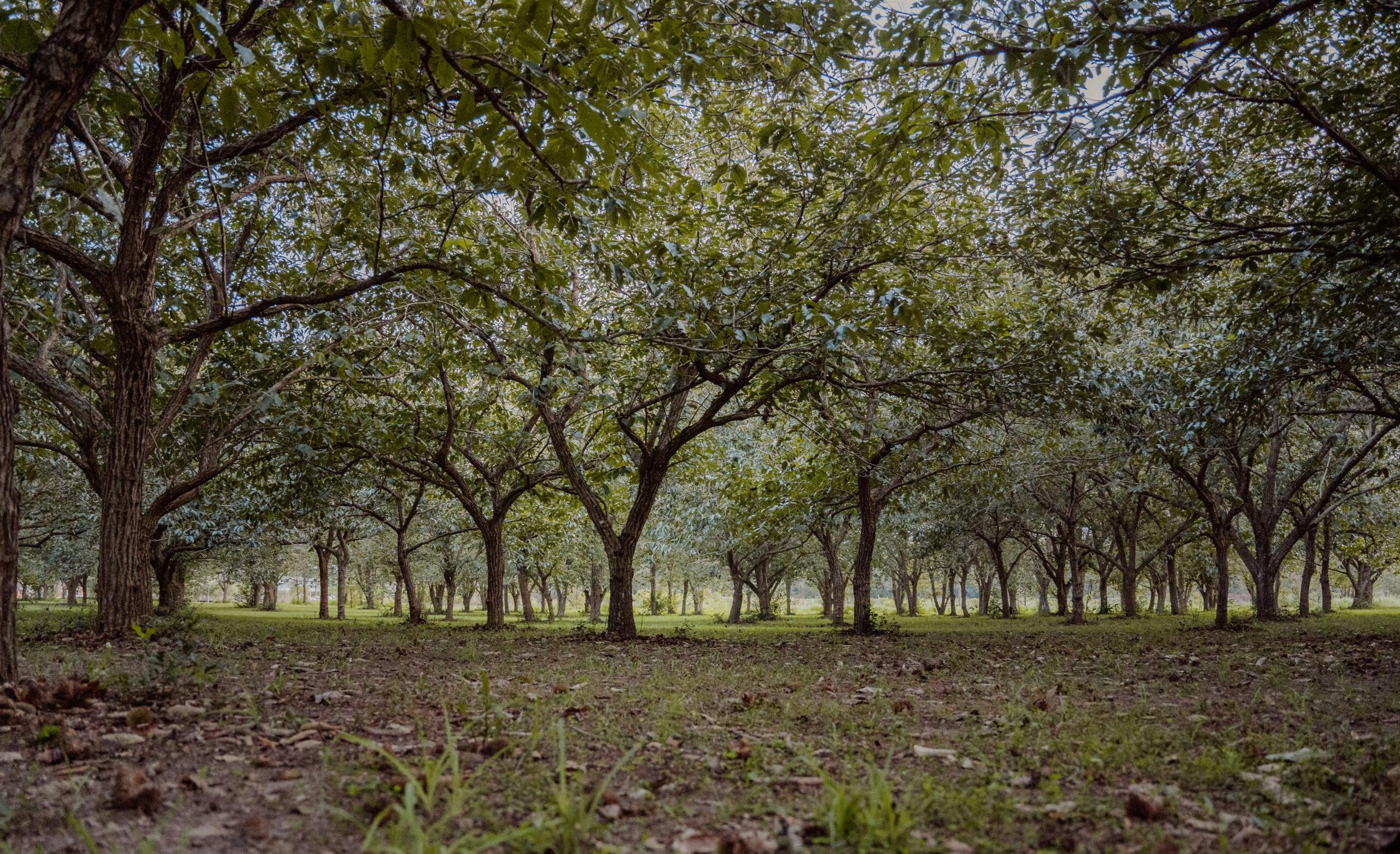
Site Selection 101: Setting Up Your Mast Orchard for Fall Planting Success
Choosing the right planting site is key to a thriving mast orchard. Get expert tips on slope, soil, sunlight, and site prep from Chestnut Hill Outdoors.
Read More about Site Selection 101: Setting Up Your Mast Orchard for Fall Planting Success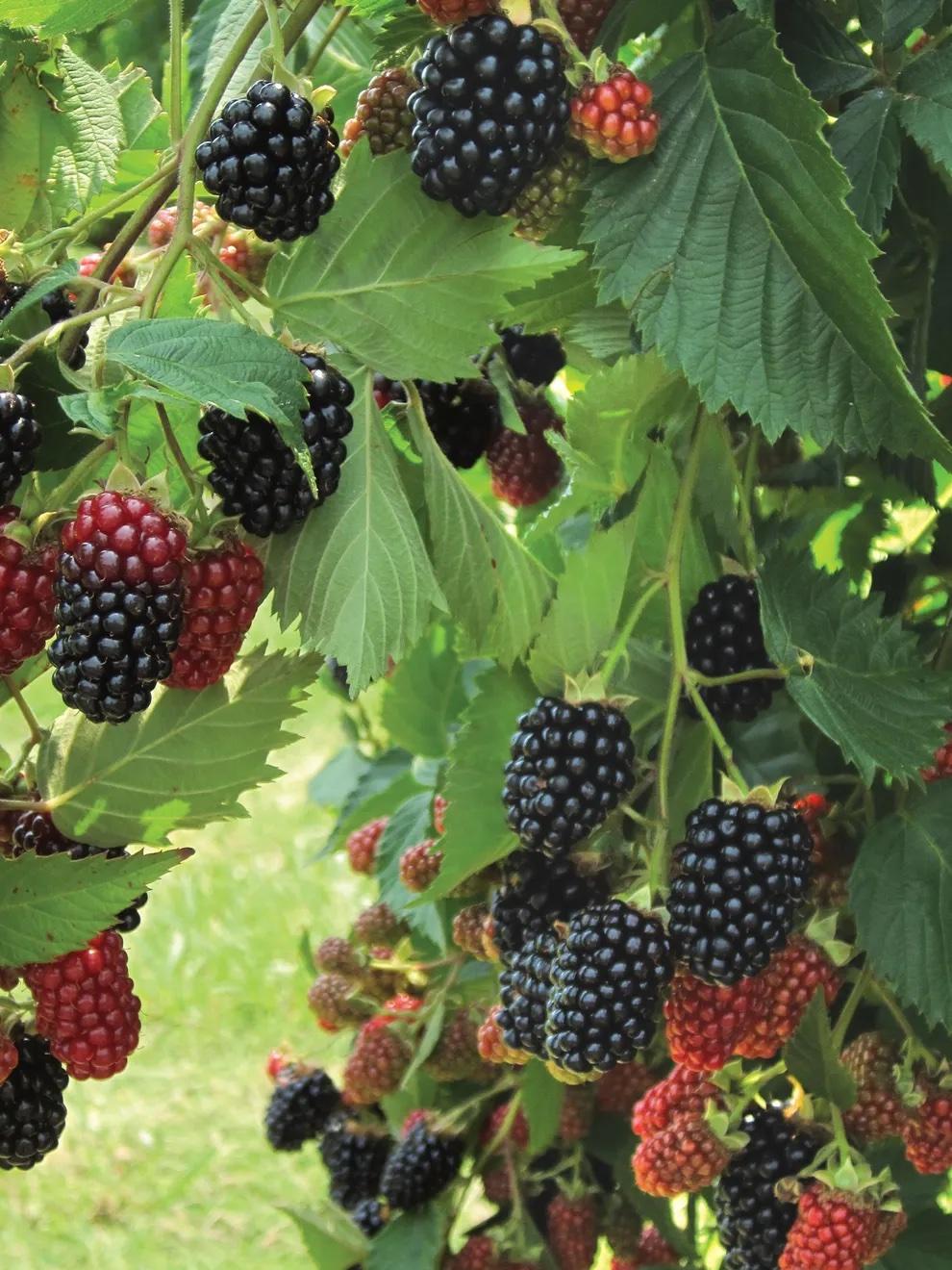
5 Blackberry Varieties for Deer
Soft mast species, like blackberries, can add cover for protection from predators and the elements as well as added nutrition for whitetails.
Read More about 5 Blackberry Varieties for Deer
Add Diversity and Fill Nutritional Gaps with These Trees for Deer
Chestnut Hill Outdoors offers an array of soft mast species to supplement nutritional gaps that are not filled by hard mast species.
Read More about Add Diversity and Fill Nutritional Gaps with These Trees for Deer