
6 Tracking Tips to Help You Find More Deer
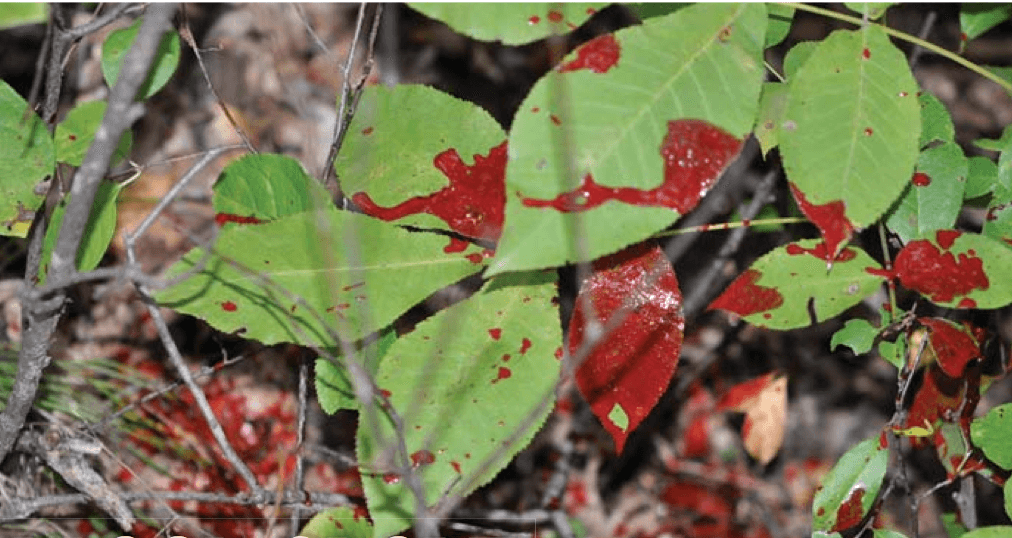
Much has been written about tracking and blood-trailing white-tailed deer through the years, but a few points are often overlooked. Successful trailing doesn’t require complicated strategies, but it requires that hunters pay close attention to simple details.
 Incorporate these six rules into your game plan and you’ll drastically improve your trailing success rate.
1. Get serious Treat every wounded deer with the respect it deserves. Blood trailing is not the time for fooling around and lighting the woods up with laughter and barroom conversations. Talk should be limited to soft whispers and reserved for sharing observations and strategies.
2. Appoint a team leader. Whatever he says goes — no ifs, ands or buts. The lead trailer should be the one with the most experience and patience. On two-person teams, the leader picks his position, which is usually tracker.
3. Take control of the situation. When it comes to blood trailing, three’s a crowd. Only allow a third person to enter the picture when a trail requires a roamer. This tracker carefully circles ahead of a lost trail in hopes of relocating blood sign. This person must be willing to take detailed instructions from the team leader, because he can easily disturb previously unseen blood, scuff marks, overturned leaves or other sign.
4. Never assume. And, contrary to my previous advice on scouting for hunting spots, avoid thinking like a deer when following a blood trail. Wounded whitetails can exhibit predictable behavior, but they can also do bizarre things you would never imagine.
5. Never give up on a blood trail just because it’s sparse. That’s a huge mistake. Many hunters assume a deer isn’t fatally wounded when they’ve trailed it a few hundred yards and only found sporadic droplets. Deer have thick layers of tallow along their back- straps and around their organs. Fat can easily plug a wound, making the result- ing blood trail seem like it came from a superficial wound.
6. Keep coyotes in mind. If the property you hunt holds a sizable coyote population, consider trailing every deer (except gut-shots) immediately. The risk of pushing a mortally wounded deer is often outweighed by the risk of losing it to scavengers.
— Dan Schmidt is Editor-in-Chief for Deer & Deer Hunting.
Related Articles
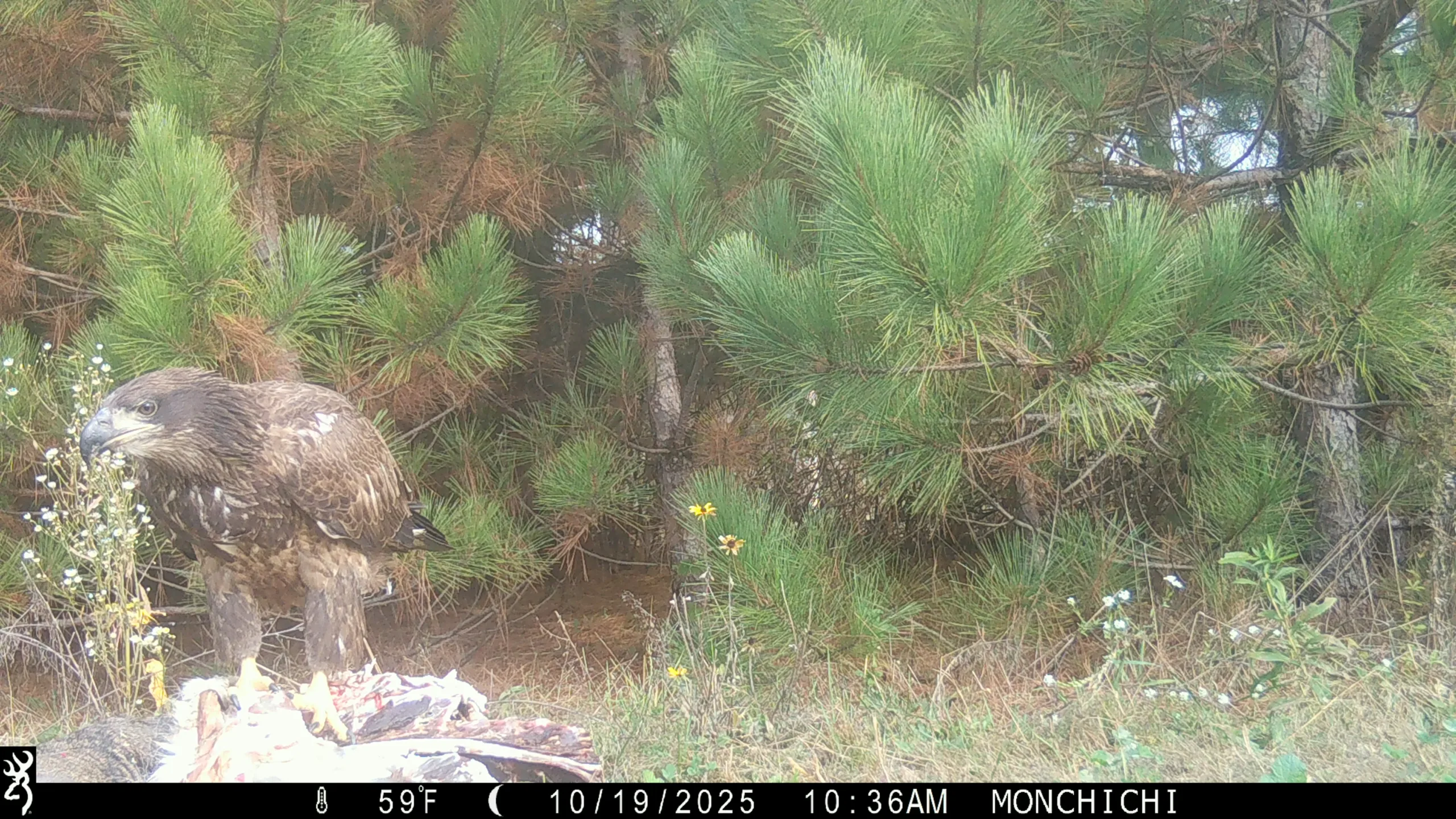
Deer Carcass Cleanup: What Wildlife Eats the Remains?
A harvested deer feeds more than the hunter’s family. From bald eagles and crows to coyotes and raccoons, discover the surprising variety of wildlife that benefits from deer remains.
Read More about Deer Carcass Cleanup: What Wildlife Eats the Remains?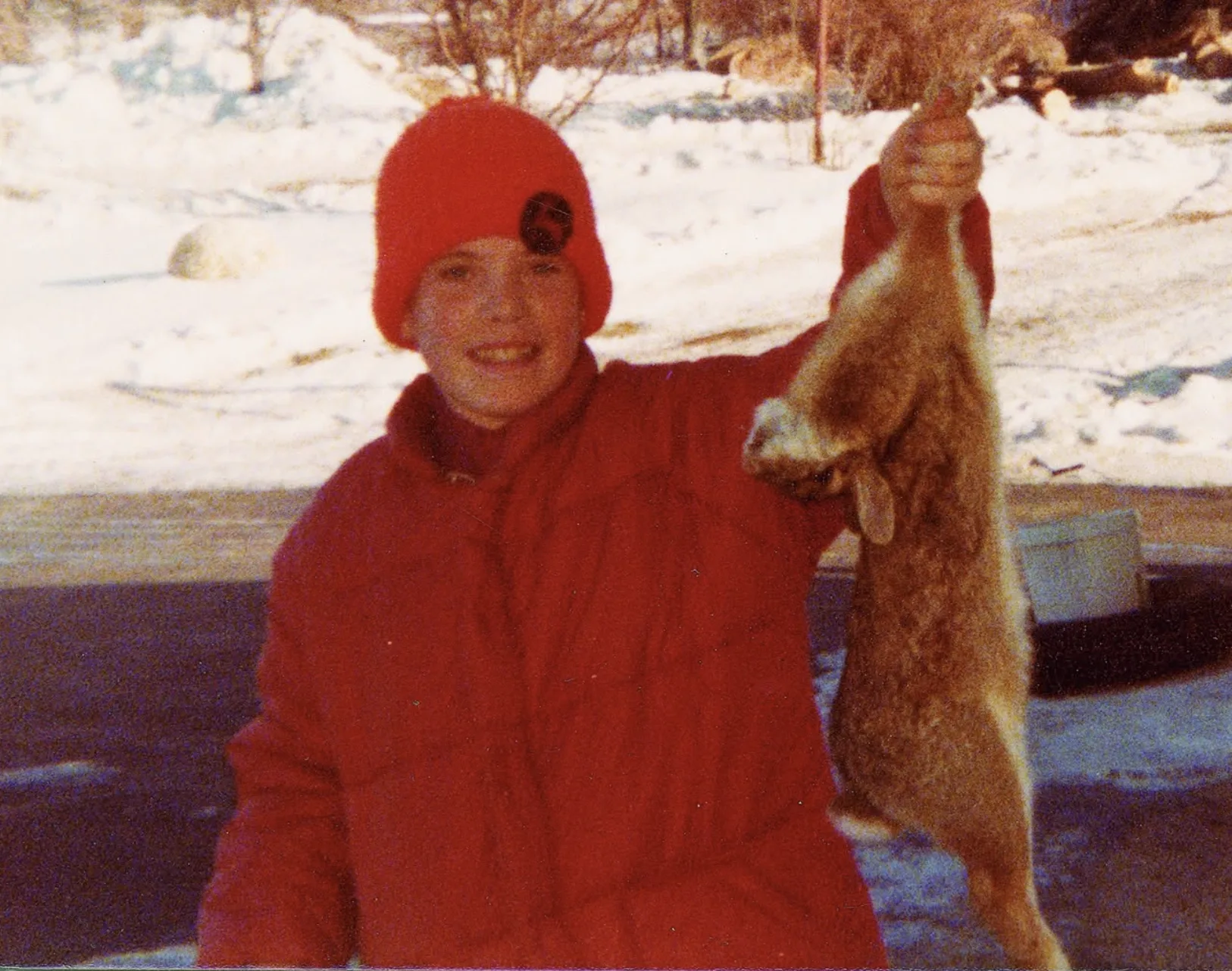
Take Them With You
More than 50 years later, Daniel E. Schmidt still remembers the rabbit hunt his older brothers let him join — and the lesson that memory carries for hunters today.
Read More about Take Them With You
Sorry, But It’s Not a Bolt
It is time. Time to stop the bickering and childish rhetoric over a simple piece of equipment in the deer-hunting world. I’m specifically talking about the term “bolt” when referring to a crossbow projectile. The term was cute — and technically accurate — when it was coined generations ago. But it has long outlived its […]
Read More about Sorry, But It’s Not a Bolt