
Alsheimer: Deer Get Through Winter by Browsing Natural Foods
Winter takes a heavy toll on the white-tailed deer, especially in the snow belts of North America.
North of the 38th latitude (Virginia north), food can be tough to come by, especially if food plots and agriculture crops are not available. In such settings, whitetails must rely heavily on natural foods. In my area of western New York the preferred browse species for deer during winter are wild apple, basswood, ash, soft maple, aspen and red oak, in that order.
When a whitetail browses it will nip off 1″-3″ of the branch and two-thirds of the nutritional value will be found in the first inch of the branch. Due to snow and cold a northern whitetail’s food consumption is but a fraction of what it was during the spring through autumn time frame.
How Long will a Deer Bed in Winter?
When a whitetail feeds in winter will depend on the weather conditions. If the temperature drops below what is normal for the area, with gusty winds, deer will stay bedded. It is not uncommon for deer to go 48 hours or more without eating if such conditions exist.
In addition, whitetails will also gravitate to mast such as acorns and beechnuts, if available, and a variety of forbs. One such forb that is highly preferred by deer in my area during winter is goldenrod leaves.
I took the accompanying photo of a buck eating goldenrod leaves in January to illustrate a whitetails preference for goldenrod. Though low in the necessary nutrients a deer requires to survive, forbs like goldenrod leaves and natural browse make up the bulk of a northern whitetail’s diet from January through March.
Related Articles
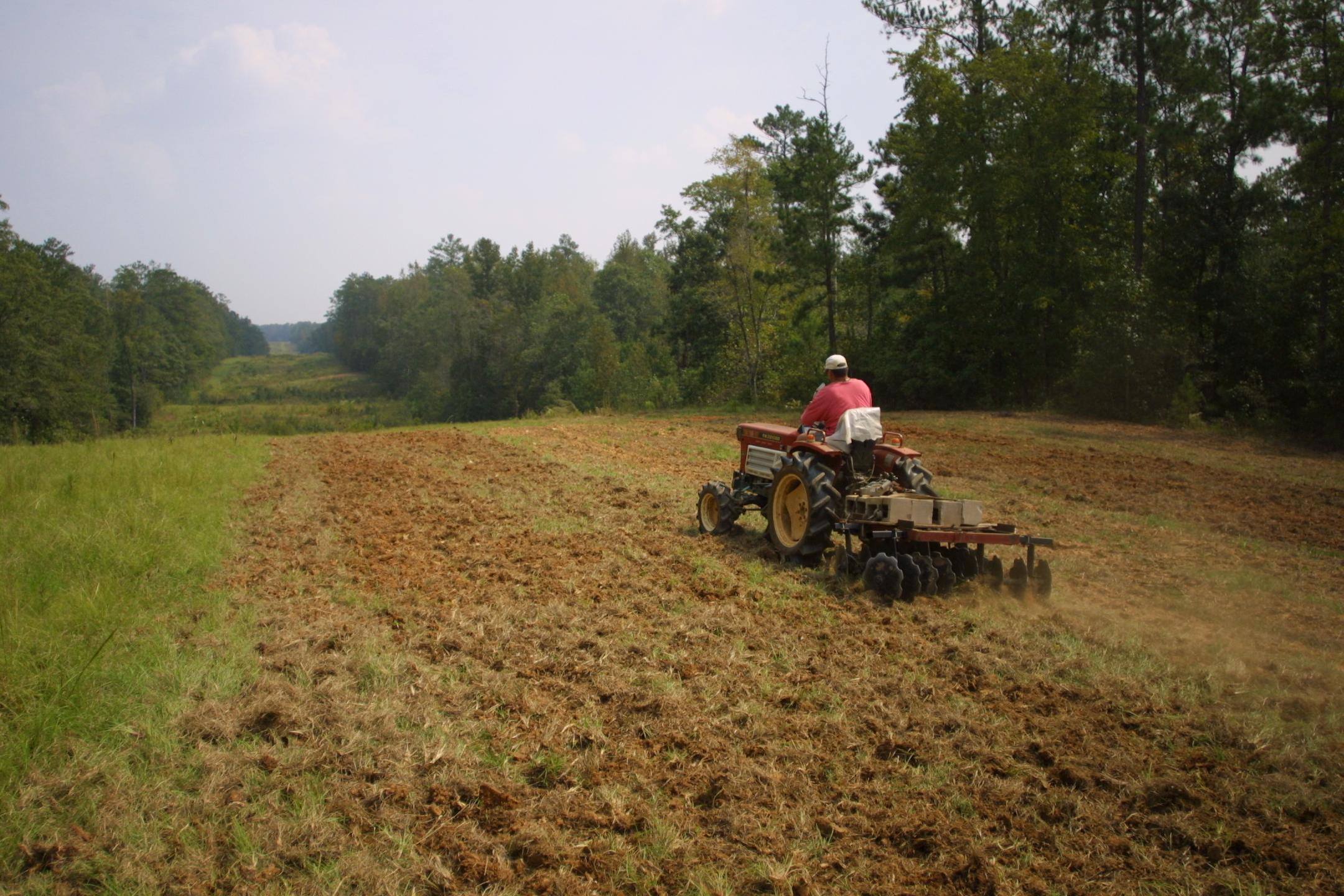
Simple Food Plot Sizes and Forage Choices
If you can only plant food plots of an acre or less, put half in clover for warm-season feed and half into a cereal grain such as oats or winter wheat, or a tuber, such as radishes or turnips. If your soil has a pH of 6 or higher, clover offerings will thrive, providing you […]
Read More about Simple Food Plot Sizes and Forage Choices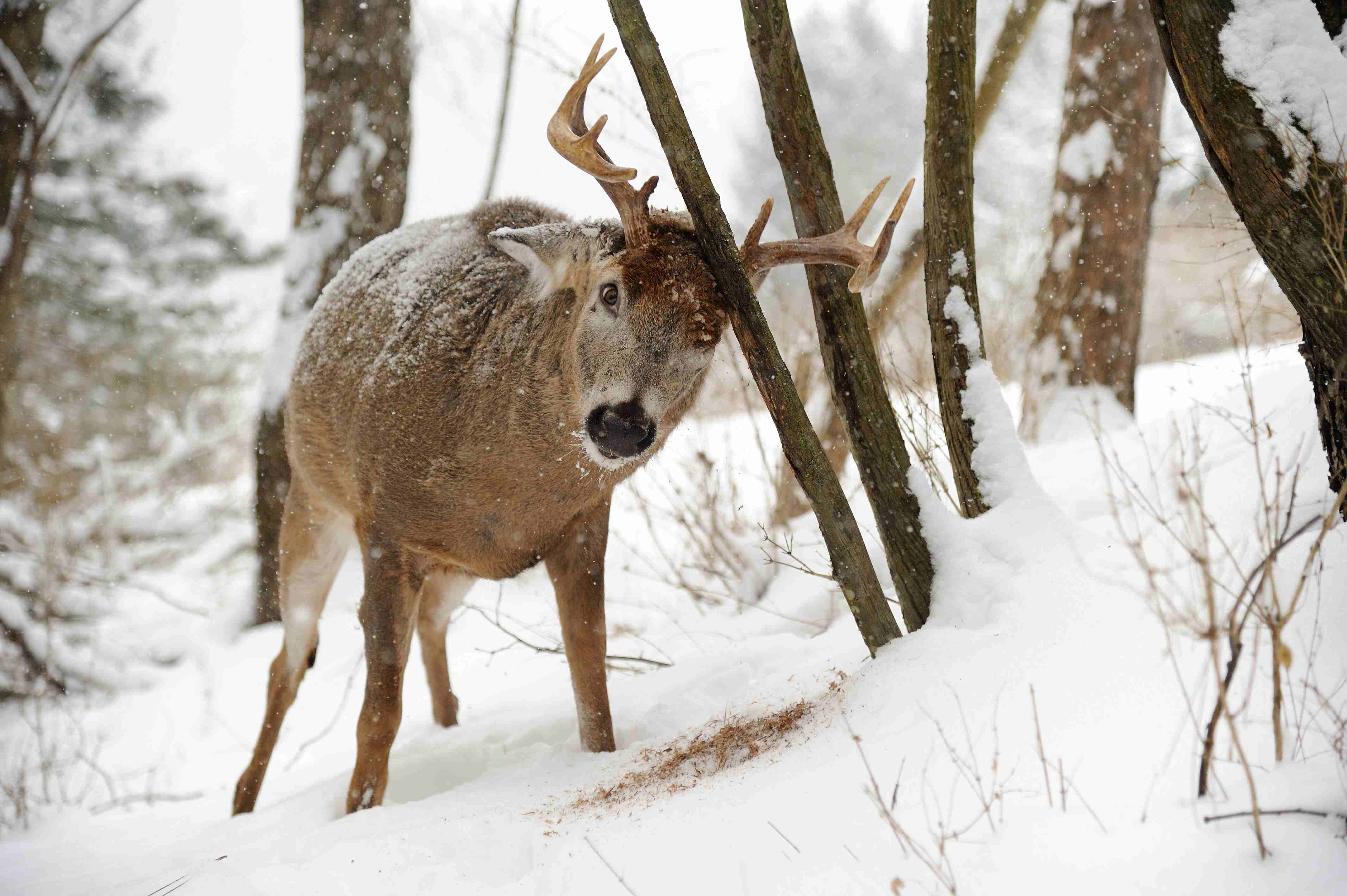
Alsheimer: Buck Rubs Continue in Winter
I was recently sent an email that described some of the deer behavior the writer was seeing now that his northern deer season is over. In it he was wondering why he was now seeing a number of fresh rubs in his hunting area. For starters whitetail rutting behavior does not end when peak breeding […]
Read More about Alsheimer: Buck Rubs Continue in Winter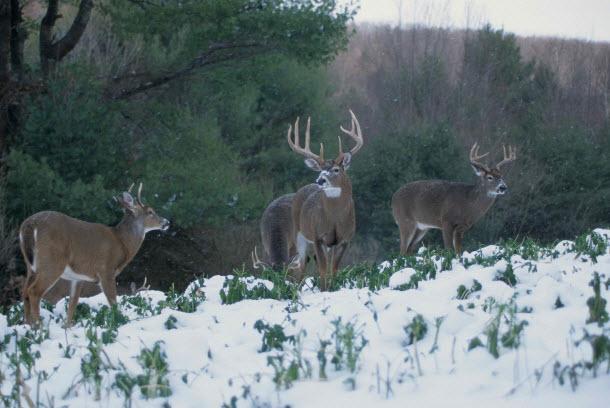
Alsheimer: Bucks Trying to Gain Weight in January
By early January northern whitetails have two things on their mind, eating and surviving. In order to maintain core body temperature they must find adequate food. It is not uncommon for bucks to lose over 20% of their pre-rut body weight from the stresses of the rut. Therefore it is critical for them to find […]
Read More about Alsheimer: Bucks Trying to Gain Weight in January