
Best Tree Stand Spots Require Sweat Equity
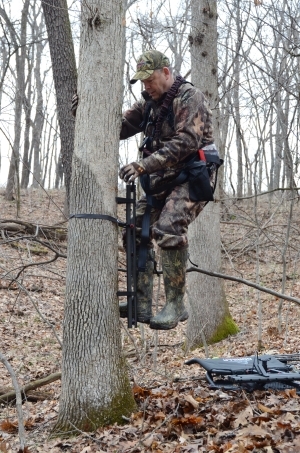
If the tree Dan Schmidt was wrestling with on Saturday were this "skinny," he wouldn’t have anything to report today. (photo by Kris Kandler)
It doesn’t matter how prepared I think I am, hanging tree stands in new spots always seems to be a lesson in humility and physical endurance. And, just like everything else in life, when things don’t go as planned, the problems usually come in threes. Case in point: a tree stand I hung on Saturday.
It all started at the crack of dawn when I found a promising deer trail that wound through some thick berry brush. I thought I’d slip back in there to quickly hang a stand for the early bow season. Saturday’s forecast called for heavy rain in the afternoon, which was perfect. I’d get the stand hung and then it would wash away all of my scent. Great plan, right? Wrong.
Problem #1 was encountered when I realized the only tree suited for a stand was a huge red oak —probably 30 inches across at the base — and it was covered with vines and the remnants of a nearby blow-down. No big deal, thought, as I walked back to the vehicle to gather my gear.
I returned about 20 minutes later with one of my older, but trusted, lock-on style tree stands, five sections of Summit Swiftree ladders, rope and strap ratchets, Seat of the Pants climbing harness, LifeLine rope, pole saw, hand saw and just about everything else I needed. It took me about an hour to prep the site. I cleared brush and vines from the tree’s base, sawed off in-the-way limbs, etc. The ladder went up easily. I thought I’d then hang the stand and get out of there.
Then came Problem #2: As I’m strapped to the tree 25 feet off the ground, I realize the chain on my stand isn’t long enough to go around the tree. The day just got a little longer.
I exit the woods and make the 20-minute walk back to my vehicle, packing the stand out, of course. There’s a sporting goods store on the way home, so I stop to see if I can fix the problem by merely buying a new River’s Edge stand (which were on sale). That would seem like the easiest solution at this point. While I’m at the store, the sales associate lets me inspect one of the new stands that was on display.
Enter Problem #3: Unfortunately, this new stand won’t cut it, either. That 36-inch strap isn’t nearly long enough to get around that oak tree. Well, now I have to go home and try to devise a new plan.
I started this day in the woods at about 7 a.m. It’s now 1:30 p.m. I’m discouraged but not defeated. It takes some mulling and rummaging around through the garage, but I manage to find a 6-foot length of chain that will suffice as a replacement for the stand. I install it on the stand with some brand new bolts, washers and locking nuts. I’m good to go. It’s time to get back to the woods.
It has taken nearly all day, but the stand is in place — and bomb-proof, I might add — by 3:30 p.m. I won’t know if this spot is going to produce for at least another month, but if and when it does … man, is that going to be the sweetest venison I’ve ever acquired.
Related Articles
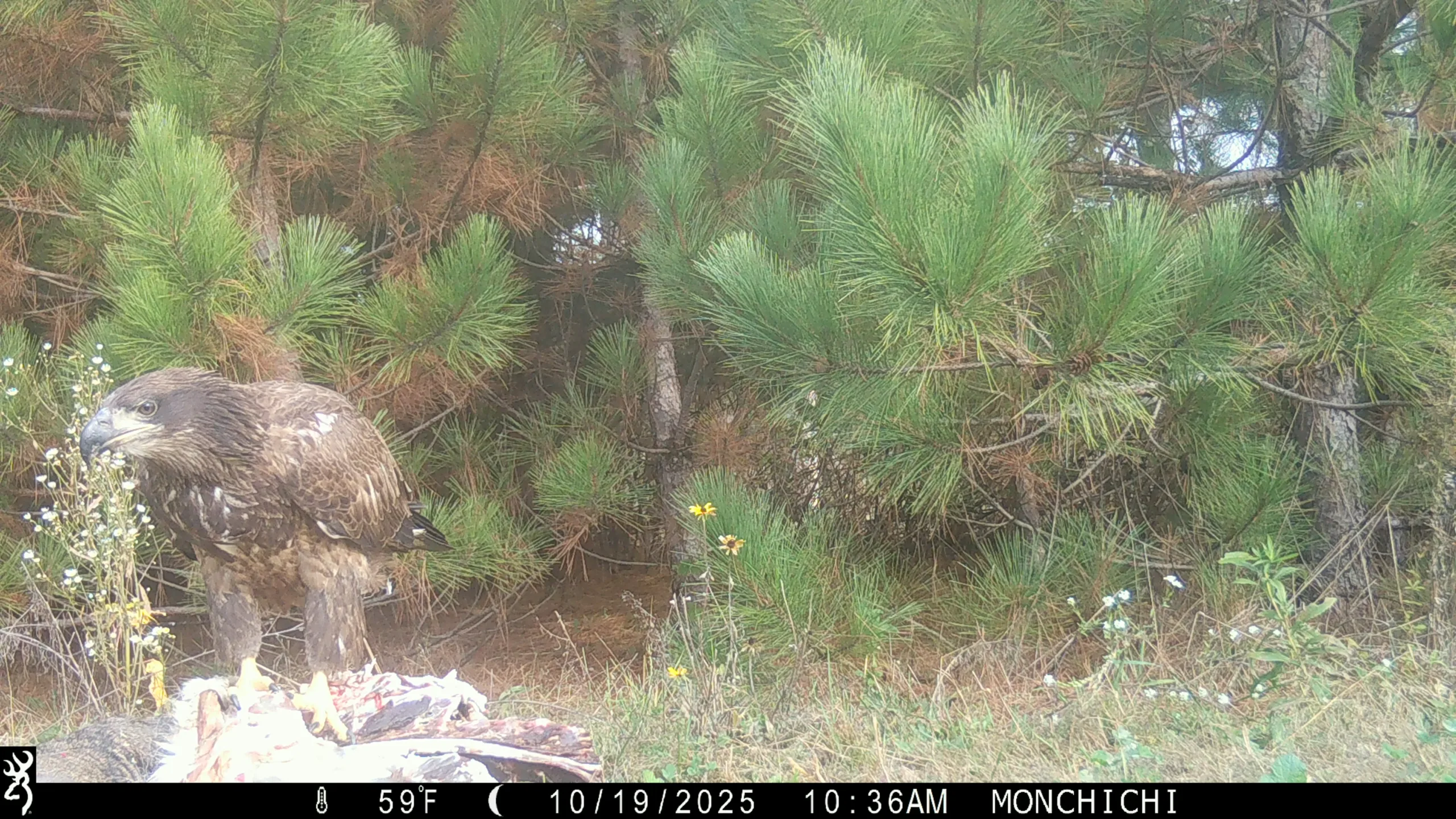
Deer Carcass Cleanup: What Wildlife Eats the Remains?
A harvested deer feeds more than the hunter’s family. From bald eagles and crows to coyotes and raccoons, discover the surprising variety of wildlife that benefits from deer remains.
Read More about Deer Carcass Cleanup: What Wildlife Eats the Remains?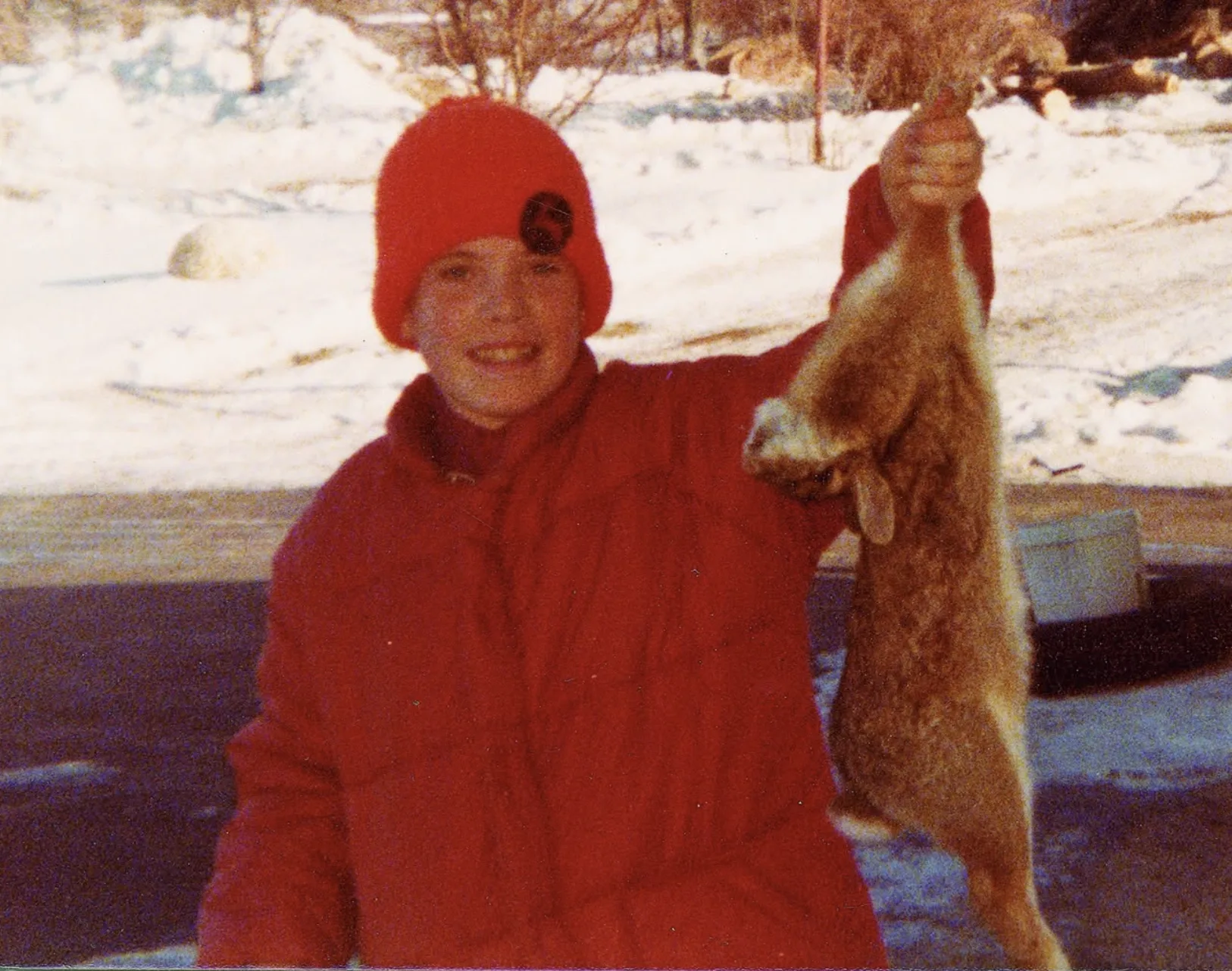
Take Them With You
More than 50 years later, Daniel E. Schmidt still remembers the rabbit hunt his older brothers let him join — and the lesson that memory carries for hunters today.
Read More about Take Them With You
Sorry, But It’s Not a Bolt
It is time. Time to stop the bickering and childish rhetoric over a simple piece of equipment in the deer-hunting world. I’m specifically talking about the term “bolt” when referring to a crossbow projectile. The term was cute — and technically accurate — when it was coined generations ago. But it has long outlived its […]
Read More about Sorry, But It’s Not a Bolt