
Buckwheat: A Good Summer Food Source for Deer
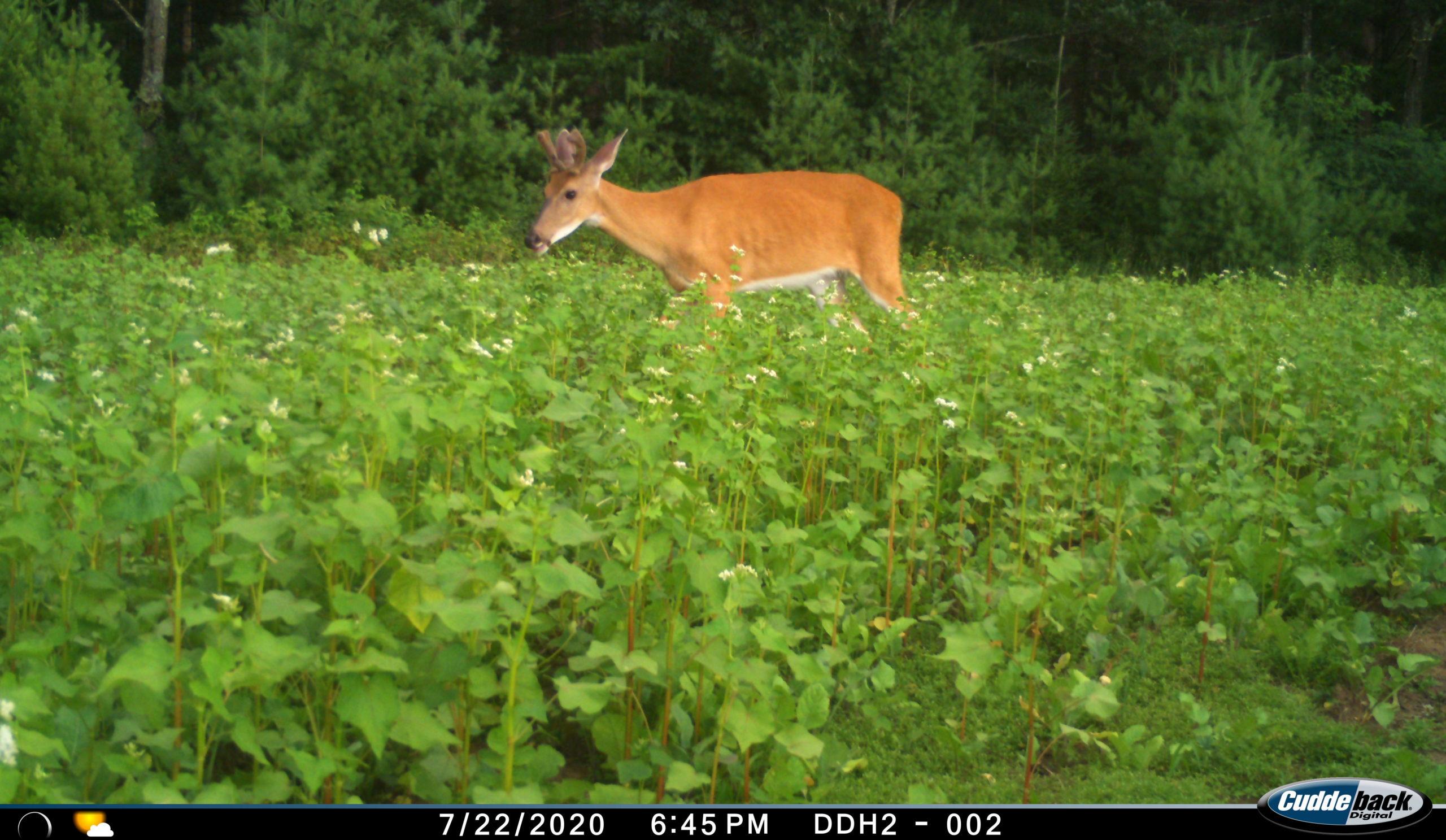
It’s always neat to see a well-executed plan pay off. In my case with a recent test food plot we planted for D&DH, the results came pretty darn fast. Check out the accompanying photo. That lush food plot growth was achieved in just 3-1/2 weeks, and the deer are already flocking to it.
The key component (thus far) to this food plot is quite the surprise for me. The tall, lush growth you see is none other than buckwheat, a rather unheralded forage that is included in some of today’s food plot blends. We just returned from the field this afternoon to check on the plot, and the deer have really been hammering this forage. I would estimate that nearly 40% of the tops are already nipped off. That’s OK, because buckwheat is a plant that will generate new growth all the way up until the time that it flowers and goes to seed.

Here are some additional interesting facts on buckwheat:
•Buckwheat is a fast to germinate and mature. The plants will begin to flower in as little as three weeks (which is the case here (look closely, and you will see flowering heads in the plot).
•Buckwheat is quick to mature. The plant can produce its own seeds in as little as 10 weeks.
•Deer only moderately prefer buckwheat. That’s a good thing, because in a small plot (like mine) overgrazing would really hamper a guy’s efforts to get that food plot to fall without it being completely devoid of forage. The plants don’t become mature until they are anywhere from 2 to 4 feet tall.
•Buckwheat is an excellent source of nutrition for whitetails. Crude protein levels range anywhere from 15 to 25%.
•It thrives in sandy soil. Lucky me, because my home county is basically nothing but sandy soils.
•It thrives in multi-level food plots. In this particular case, the buckwheat I planted was included in a blend made by Antler King. This one is called Slam Dunk, and the blend also includes forage peas, radishes and rape seed. Those three other forages grow at staggered (later) dates, which makes this plot blend a good pick for late summer, early fall and mid-fall forage options.
•It is versatile, especially in a blended plot. In my plot, those seeds can be planted anytime from late June all the way to early September in some areas. In my area of central Wisconsin, the sweet spot would be late June to mid-August.
•Once the weather turns cold and these plants are impacted by a hard killing frost or consecutive frosts, this triggers plant maturation and a dramatic molecular change occurs allowing the plants to convert their stored up starches into sugar, increasing attraction, consumption and palatability.
•Buckwheat is a great “green manure” in that it gives back a lot of soil-fixing features once it dies off and is tilled back into the soil
•Buckwheat seeds are preferred by game birds like turkey, grouse and pheasants, and deer eat them as well.
Related Articles
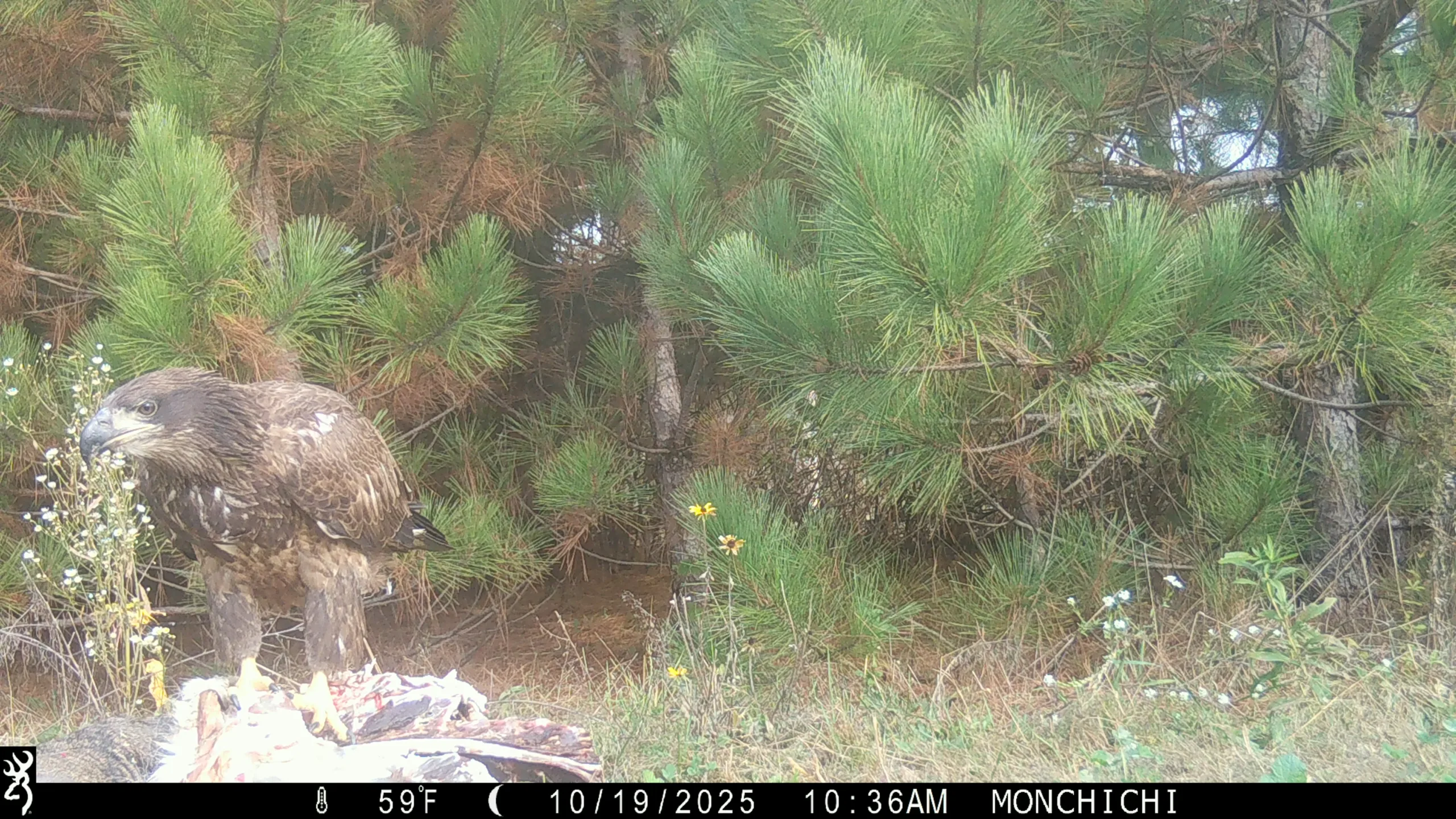
Deer Carcass Cleanup: What Wildlife Eats the Remains?
A harvested deer feeds more than the hunter’s family. From bald eagles and crows to coyotes and raccoons, discover the surprising variety of wildlife that benefits from deer remains.
Read More about Deer Carcass Cleanup: What Wildlife Eats the Remains?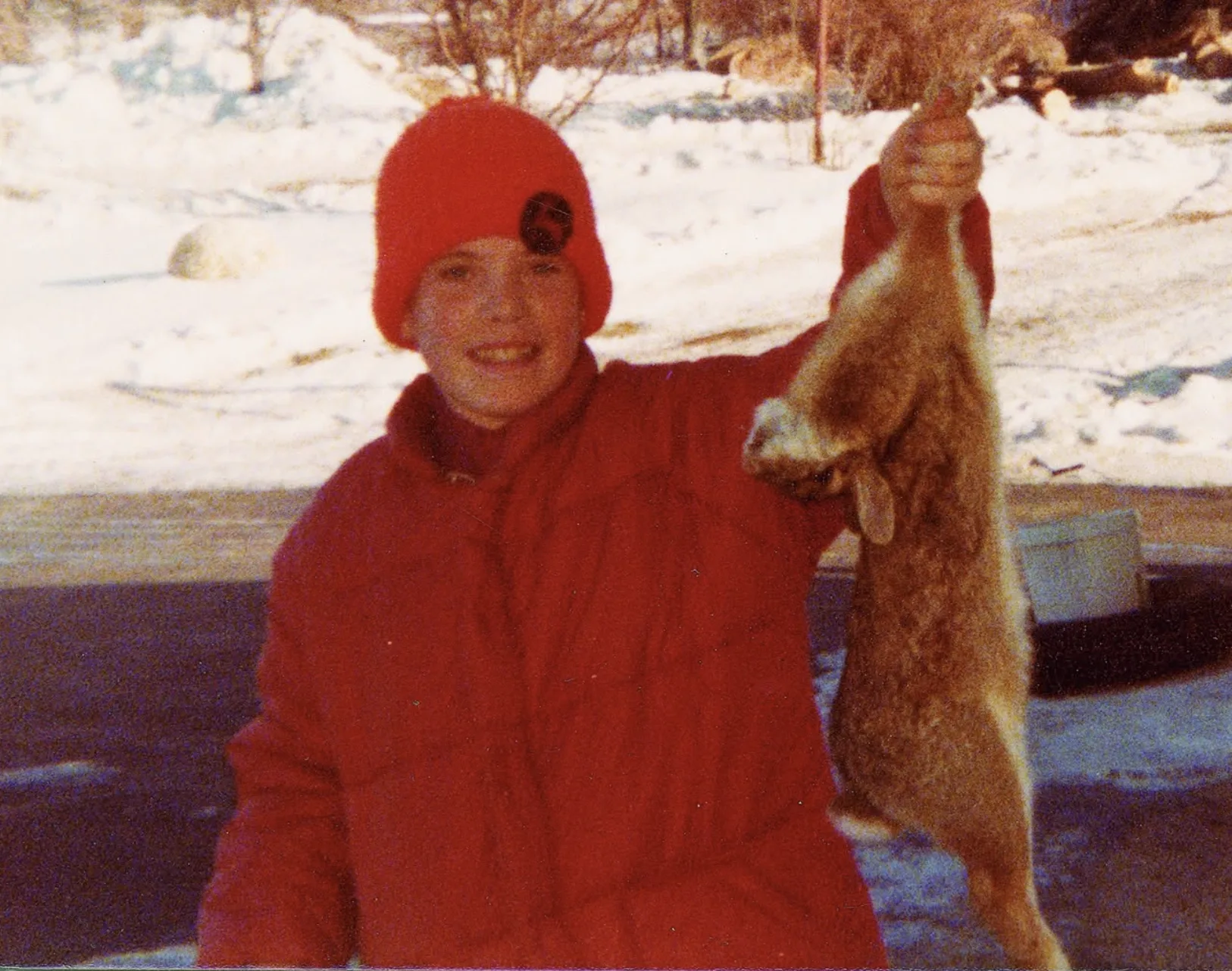
Take Them With You
More than 50 years later, Daniel E. Schmidt still remembers the rabbit hunt his older brothers let him join — and the lesson that memory carries for hunters today.
Read More about Take Them With You
Sorry, But It’s Not a Bolt
It is time. Time to stop the bickering and childish rhetoric over a simple piece of equipment in the deer-hunting world. I’m specifically talking about the term “bolt” when referring to a crossbow projectile. The term was cute — and technically accurate — when it was coined generations ago. But it has long outlived its […]
Read More about Sorry, But It’s Not a Bolt