
Up Close with Lee & Tiffany
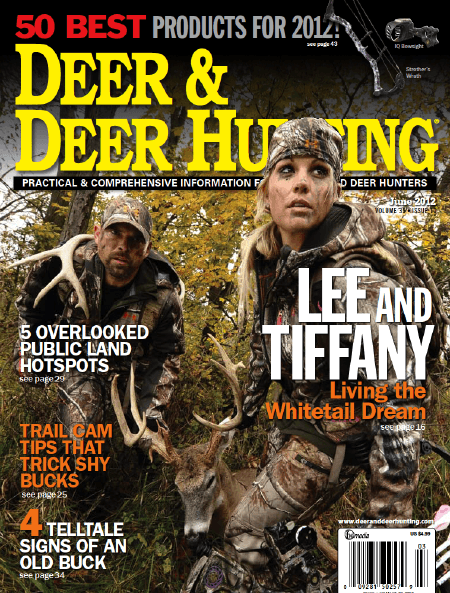

A common misconception about Lee & Tiffany Lakosky is they were born into deer hunting royalty. This is simply not true.
Like many of the high-profile deer hunters who came before him, Lee Lakosky had to learn how to hunt deer on his own. That involved a lot of trial and error.
“I got interested in bowhunting when I was about 13, but it still took me a long time — seven long years to be exact — to get my first doe with a bow,” Lee said.
At that time, Lakosky spent his fall days chasing whitetails near his Minnesota home with his friend Paul Landberg.
“Paul and I would go out and knock on doors, and most landowners who deer hunted during gun season thought bowhunting was a novelty. They’d give you a strange look and say, ‘You’re going to try to shoot one witha bow and arrow? Yeah, go ahead.’ “
Three years after shooting his first doe, Lakosky notched his first archery buck, a yearling 6-pointer.
Tiffany’s path as a bowhunter started much more quickly. After dating Lee for a while, she decided to try her hand at archery, then bowhunting. It took Tiffany just one tree-stand vigil to taste success. While sitting with Lee on the afternoon of Sept. 24, 1999, she notched her first bow-kill, a yearling 6-pointer.
— For more on Lee & Tiffany’s hunting tactics, check out this special deal for Deer & Deer Hunting readers.
Related Articles
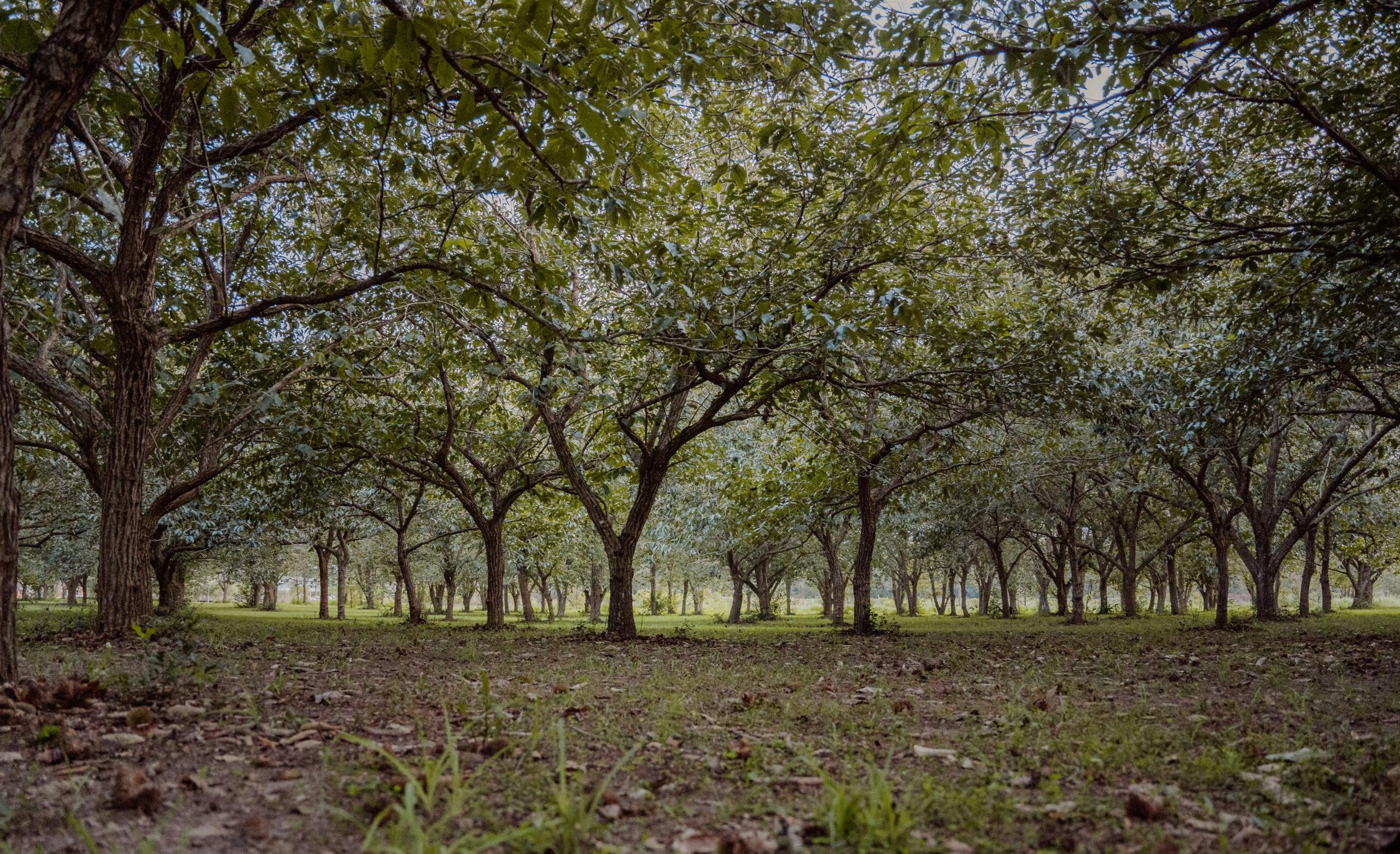
Site Selection 101: Setting Up Your Mast Orchard for Fall Planting Success
Choosing the right planting site is key to a thriving mast orchard. Get expert tips on slope, soil, sunlight, and site prep from Chestnut Hill Outdoors.
Read More about Site Selection 101: Setting Up Your Mast Orchard for Fall Planting Success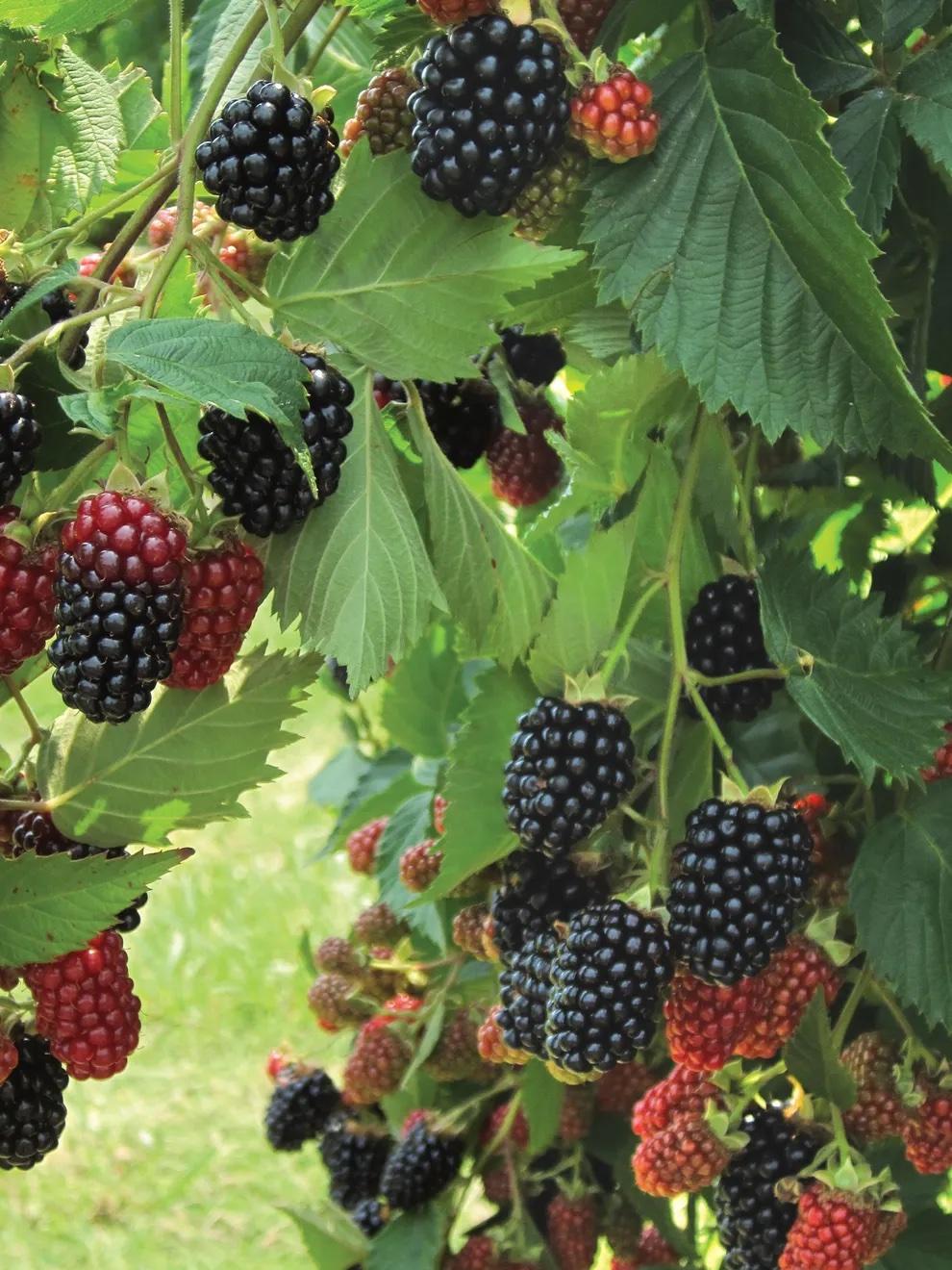
5 Blackberry Varieties for Deer
Soft mast species, like blackberries, can add cover for protection from predators and the elements as well as added nutrition for whitetails.
Read More about 5 Blackberry Varieties for Deer
Add Diversity and Fill Nutritional Gaps with These Trees for Deer
Chestnut Hill Outdoors offers an array of soft mast species to supplement nutritional gaps that are not filled by hard mast species.
Read More about Add Diversity and Fill Nutritional Gaps with These Trees for Deer