
EHD Killing Whitetail Deer in Northeast Oklahoma
Biologists with the Oklahoma Department of Wildlife Conservation say a viral disease has been confirmed in at least one deer and may be related to 10 others found dead near the Verdigris River in northeast Oklahoma.
According to Erik Bartholomew, big game biologist for the Wildlife Department, the disease that killed the deer has been in Oklahoma for several decades. The Wildlife Department receives scattered reports every year in Oklahoma and there are occasional small outbreaks like this one. The Department is continuing to monitor the area for other sick or dead deer.
“Epizootic hemorrhagic disease (EHD) is a hemorrhagic disease caused by a virus and spread by the bite of a midge or small fly, usually during the late summer or early fall, when the midge becomes active,” Bartholomew said. “This virus is not transmissible to humans.”
Bartholomew added that the virus is not known to be transmissible from an infected deer to other deer through individual contact.
There are several forms of EHD. In a completely separate case this month, biologists with the Wildlife Department confirmed a sick deer in southern Delaware Co. tested positive for a similar hemorrhagic disease called bluetongue virus.
According to Bartholomew, some forms of EHD kill deer quickly while others simply make the deer sick for a while before recovering. The virus can lead to high fever, causing infected deer to seek water to cool off. Dead deer usually are found in or near water. In most cases, infected deer are in good body condition because the disease usually runs its course and kills the animal quickly. EHD is not a threat to humans.
At present, there are no wildlife management tools or strategies available to prevent or control EHD. Bartholomew said there is little concern about the outbreak having a significant impact on deer populations, and any outbreaks will be curtailed by the onset of colder weather.
“It’s not something that we are worried about on a wide scale, but we do want to hear from people who see deer that appear to be sick,” Bartholomew said. “We urge everyone to help us be on the alert.”
The public should report any sick deer or deer that are acting abnormal to their county game warden. A listing of game warden phone numbers by county is available online at wildlifedepartment.com.
Related Articles

Armed Poachers in Florida Could Lose Guns
Florida Attorney General James Uthmeier has announced legislation that would significantly increase penalties for poachers who discharge firearms near homes, occupied buildings, people, or critical infrastructure while illegally taking wildlife.
Read More about Armed Poachers in Florida Could Lose Guns
New At-Home Lyme Test Could Help Outdoorsmen Make Quicker Decisions
Called LymeAlert, the at-home test is designed to determine whether a removed tick carries the bacteria responsible for Lyme disease.
Read More about New At-Home Lyme Test Could Help Outdoorsmen Make Quicker Decisions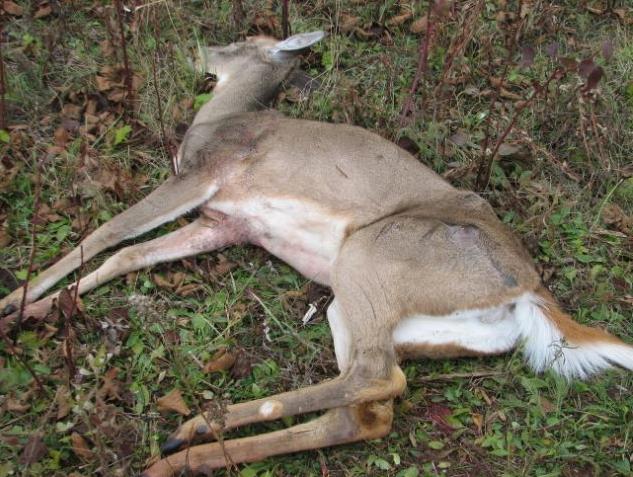
Man Charged with 50 Violations After Months-Long Poaching Investigation
Michigan man charged with 50 firearm and wildlife violations after allegedly shining and shooting deer from his vehicle for months.
Read More about Man Charged with 50 Violations After Months-Long Poaching Investigation