
Five Tips for Foolproof Food Plots
What should I do before I plant a food plot?
1. Decide if food plots are right for you. Be realistic up front about expected outcomes. Carefully weigh expected benefits (increased visibility of deer for hunting or viewing) against estimated costs. Costs can easily exceed $250 per acre for site preparation, liming and fertilizing, seeds, planting, maintenance of food plots, equipment rental, etc.
 2. Choose your sites wisely. Locate food plots one-half mile or more from gardens, fruit or ornamental trees and shrubs, and public roads to prevent deer from becoming hazards or nuisances. Use power line rights-of-ways, log decks, firelines, old woods roads and other existing openings when possible to reduce clearing costs. Make sure that food plots are wide enough to receive adequate sunlight for most of the day. Pick the most fertile spots that you can access readily to cultivate and maintain. It is also better to disperse small food plots (1 acre minimum) across your property than to plant one large one. Research has shown that deer are only attracted to food plots or feed placed within their home ranges (approximately 640 acres for a buck, and 200 acres for a doe). You should not expect that even your best food plot will draw deer from across your property or from your neighbor’s hunt club a mile away!
3. Test and amend soil. At least 3 months before planting, get a soil test using a testing kit or through your local Virginia Cooperative Extension office. Repeat soil tests every 3 years. Apply the recommended amount of lime and fertilizer. Effects of liming will last several years, but fertilizer is recommended annually during September. In most cases, 1-2 tons per acre of lime and 500 lbs per acre of 5-10-10 fertilizer per acre should be sufficient.
4. Prepare the sites. Plow and disk soil to a firm, smooth seedbed free of brush, large rocks, stumps, etc. Hard work up front will save you from hours of frustration and poor crops later.
5. Exclude livestock. This can be accomplished with a standard electric or non-electric fence no more than 4-feet high so that it still allows fawns to use the area.
Related Articles
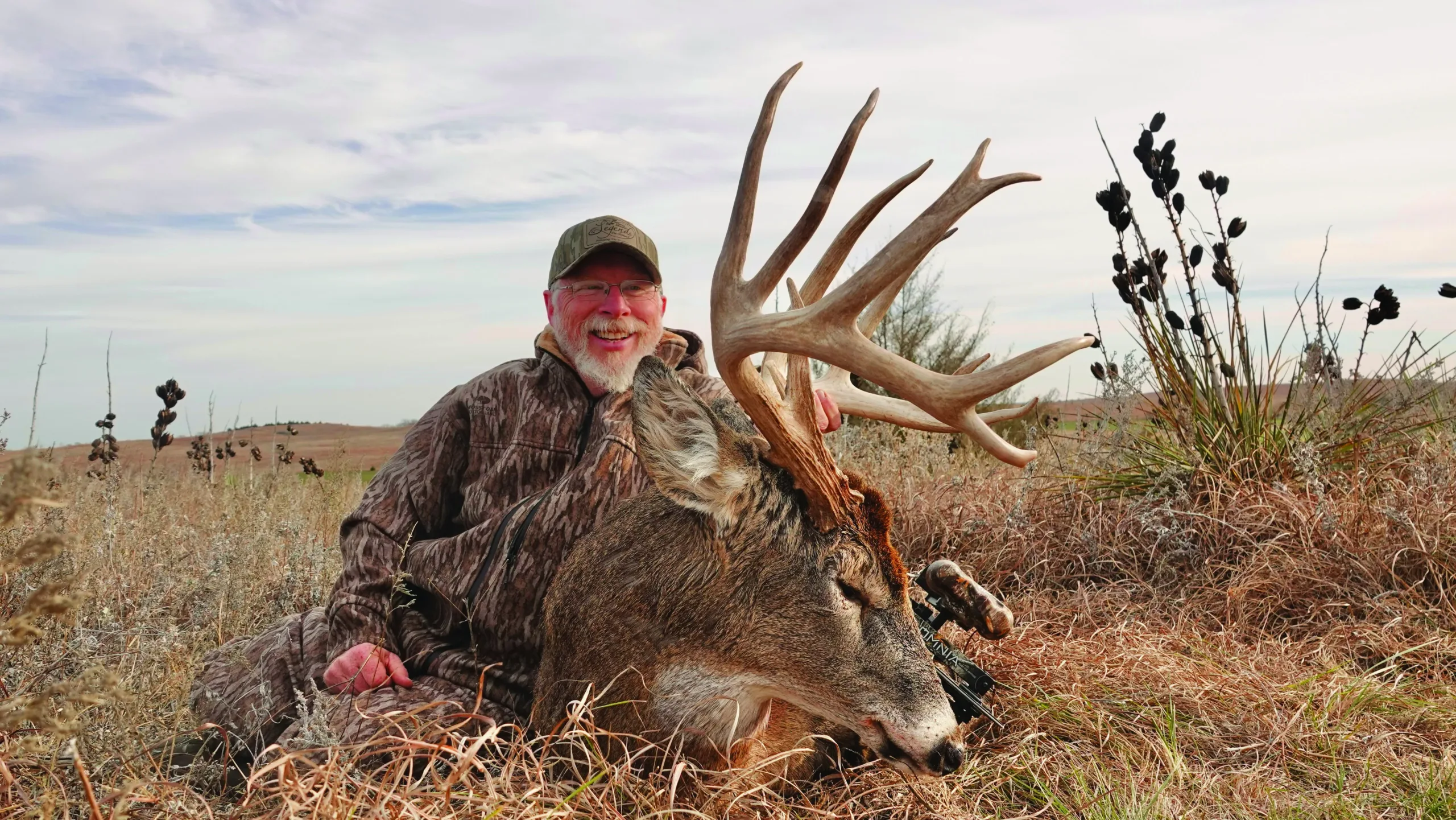
Cyclops: The One-Eyed Monster That Came Charging In
Years of trail camera history told Phillip Vanderpool exactly which buck had stepped into view. Then a few aggressive calls sent the one-eyed monster charging back through the timber.
Read More about Cyclops: The One-Eyed Monster That Came Charging In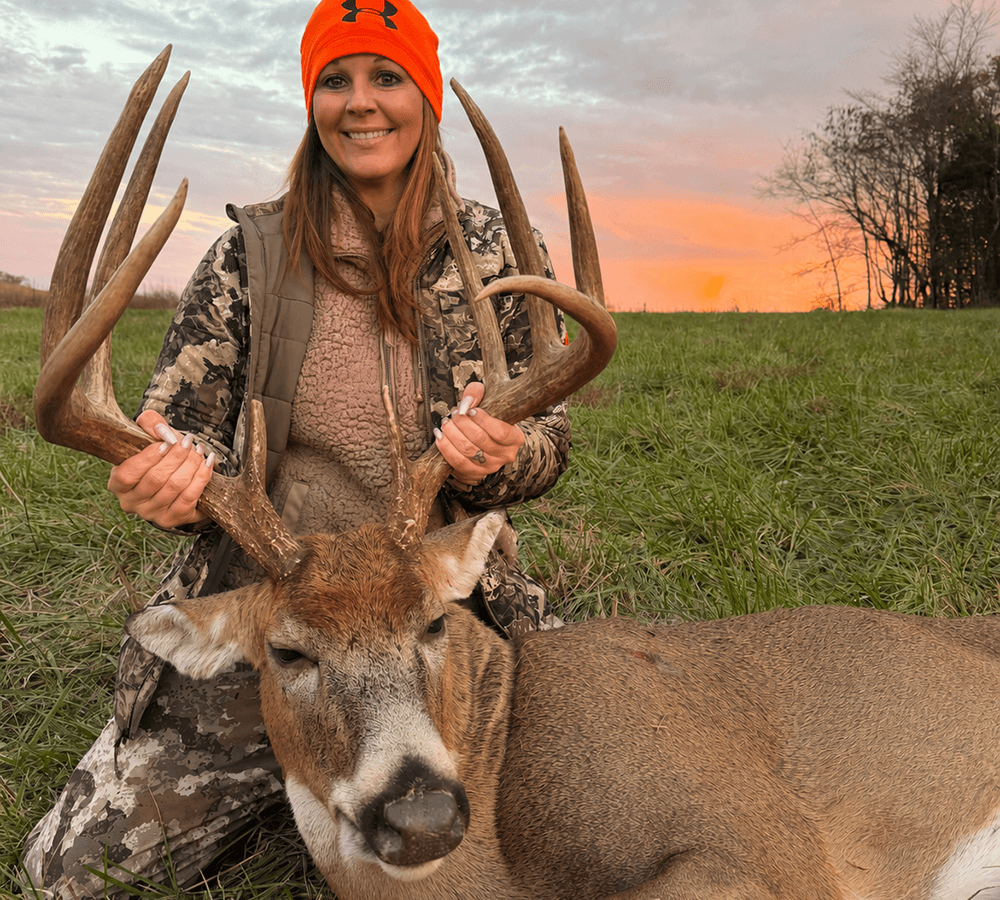
5 Years for a First Buck
Amy Gibson’s first whitetail was one for the wall.
Read More about 5 Years for a First Buck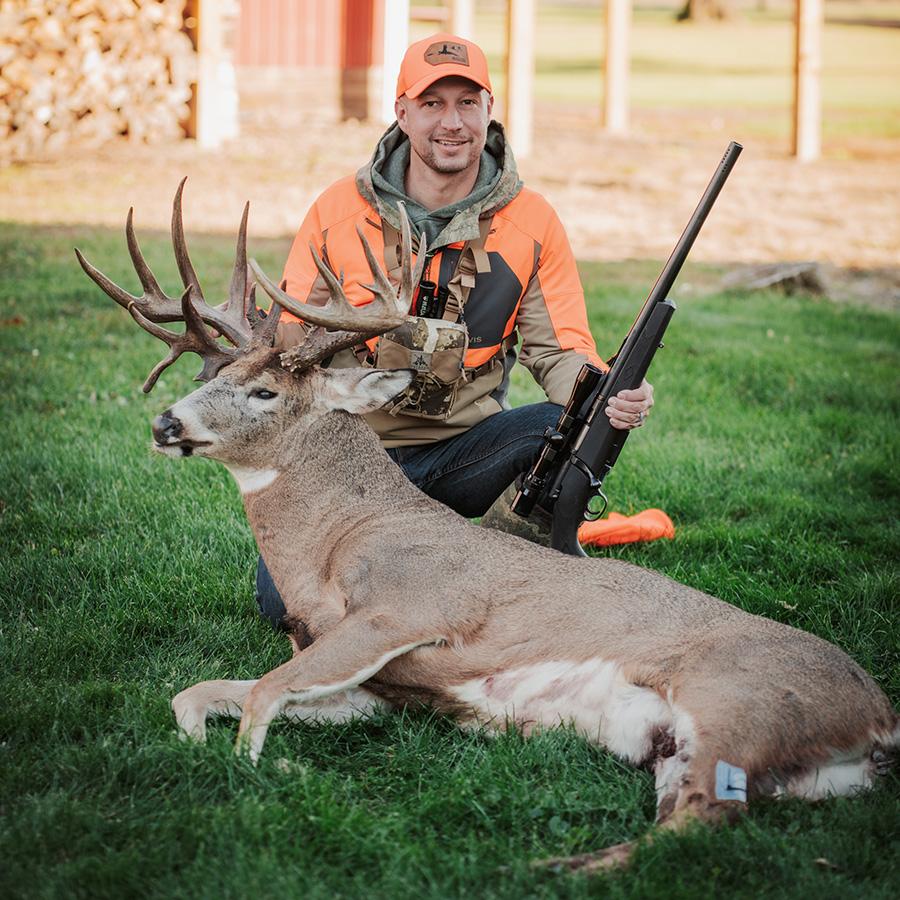
Hunter Shoots 206-Inch Buck With Slug He’d Been Saving From His Late Father
With five slugs left to him by his late father, Corey Kalinowski vowed to only use them on his most special hunts. His third shell was spent on a monster Minnesota whitetail.
Read More about Hunter Shoots 206-Inch Buck With Slug He’d Been Saving From His Late Father