
Gray Wolves Delisted … Once Again
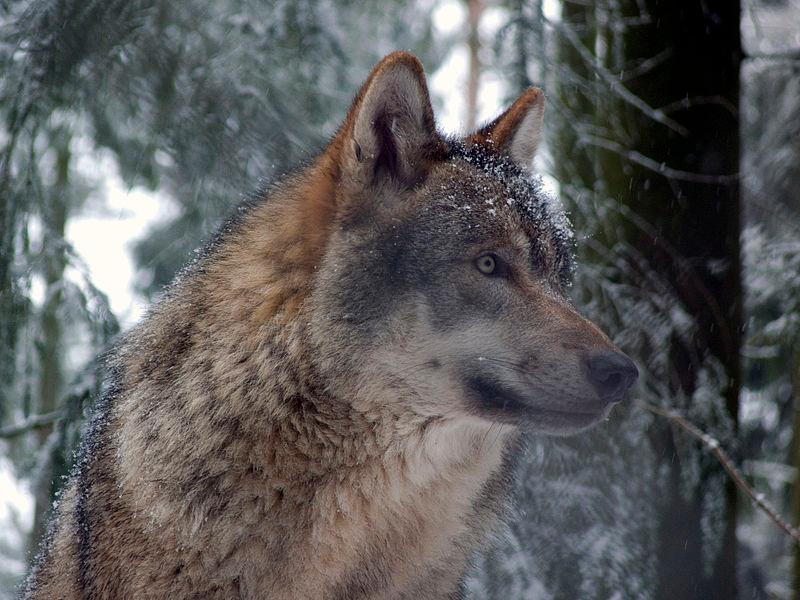
On Thursday, Oct. 29, Endangered Species Act protections for gray wolves were removed in the lower 48 states. The decision will put state and tribal governments in charge of their own wolf management plans.
“After more than 45 years as a listed species, the gray wolf has exceeded all conservation goals for recovery,” Secretary of the Interior David Bernhardt said in a press statement last Thursday. “Today’s announcement simply reflects the determination that this species is neither a threatened nor endangered species based on the specific factors Congress has laid out in the law.”
The decision may open up hunting in states such as Wisconsin, Minnesota and Michigan.
The Minnesota-based wolf advocacy group Howling for Wolves argues the decision goes against public sentiment in Minnesota and “sound science.”
“This rule puts the wolf on the path to extinction,” said Maureen Hackett, the group’s founder. “Instead of stripping their protections, we should put more effort into coexistence with wolves. We need a nonlethal wolf plan and continued funding for prevention methods for farmers and ranchers to ensure an intact and healthy wolf population, because the wolf is vital for our ecology and the legacy of future Minnesotans.”
Here are a few of the current estimates of wolf populations (as of 2020):
Minnesota: 2,699 wolves.
Wisconsin: 1,034 wolves.
Michigan’s Upper Peninsula: 695 wolves.
Wisconsin Gray Wolf Population 1980–2020

What many people forget were the states’ original population goals. In Wisconsin, the original plan was to allow a sustained population of 250 wolves in Wisconsin — a population that would be “socially acceptable.” Then, in 1999, when formulating a wolf recovery plan, Wisconsin arbitrarily set a goal of 350 to qualify the wolf as “recovered.” In Minnesota, their 2001 Wolf Management Plan states: “Wolf populations in Minnesota will be allowed to continue to expand, with a minimum population goal of 1,600.” Last year, the Minnesota DNR said “all evidence indicates that the gray wolf population in Minnesota has recovered” and federal protection under the Endangered Species Act is not necessary. However, they feel “a blanket delisting across the United States may not be warranted.”
Federal wildlife officials assert thriving populations in the western Great Lakes region, Rocky Mountains and Pacific Northwest ensure the species’ long-term survival. They say it’s not necessary for wolves to be in every place they once inhabited to be considered recovered. Former U.S. Fish and Wildlife Service director Dan Ashe agreed that wolves are recovered and said it’s time for the agency to “move on” to help other endangered wildlife. Agency scientists feel wolves will continue to expand even without federal protections, but support from states is deemed crucial.
Protections will remain for a small population of Mexican gray wolves in the Southwest. The delisting is the latest attempt in the last 20 years to return management authority to the states.

Related Articles

Armed Poachers in Florida Could Lose Guns
Florida Attorney General James Uthmeier has announced legislation that would significantly increase penalties for poachers who discharge firearms near homes, occupied buildings, people, or critical infrastructure while illegally taking wildlife.
Read More about Armed Poachers in Florida Could Lose Guns
New At-Home Lyme Test Could Help Outdoorsmen Make Quicker Decisions
Called LymeAlert, the at-home test is designed to determine whether a removed tick carries the bacteria responsible for Lyme disease.
Read More about New At-Home Lyme Test Could Help Outdoorsmen Make Quicker Decisions
Man Charged with 50 Violations After Months-Long Poaching Investigation
Michigan man charged with 50 firearm and wildlife violations after allegedly shining and shooting deer from his vehicle for months.
Read More about Man Charged with 50 Violations After Months-Long Poaching Investigation