
You Don’t Need a Heavy Draw Weight to Build a Better Hunting Arrow
Sponsored Content | Easton Archery
There’s a stubborn idea in bowhunting that more draw weight automatically means better performance. Pull more pounds, shoot a faster arrow and put more energy into a whitetail. Simple enough, right?
Not necessarily.
Plenty of successful deer hunters use bows with moderate draw weights or shorter draw lengths. The important thing isn’t how much weight you can pull on the range. It’s whether you can draw smoothly, hold steadily, make an accurate shot and deliver an arrow that’s properly matched to your equipment.
For hunters working with less available energy, arrow selection deserves particular attention. The right combination of shaft diameter, spine, weight and broadhead can make a meaningful difference in how an arrow performs.
Start With the Bow You Can Shoot Well
There’s little advantage to increasing draw weight if doing so compromises accuracy. A bowhunter who struggles to draw while seated, twists to reach full draw or shakes while holding on target isn’t gaining much from the additional pounds.
Comfort and consistency matter, especially in a tree stand when a buck approaches from an unexpected direction.
Rather than chasing the highest possible draw weight, start with a bow you can handle confidently under hunting conditions. Then build an arrow setup around the bow’s actual specifications.
Draw length, draw weight, arrow length and point weight all influence arrow selection. Changing one can affect the others, making proper setup and tuning essential.
Why Arrow Diameter Matters
When an arrow passes through an animal, the shaft must follow the broadhead through the wound channel. Shaft diameter is one factor affecting the resistance encountered during penetration.
Small-diameter arrows can help reduce shaft resistance behind the broadhead. However, diameter alone doesn’t guarantee penetration. Arrow mass, impact velocity, broadhead design, shot placement and the animal’s anatomy all affect the result.
For hunters using lighter-poundage bows, it’s worth considering a smaller-diameter shaft as part of a properly balanced arrow system.

A Hunting Arrow Built for Lighter Setups
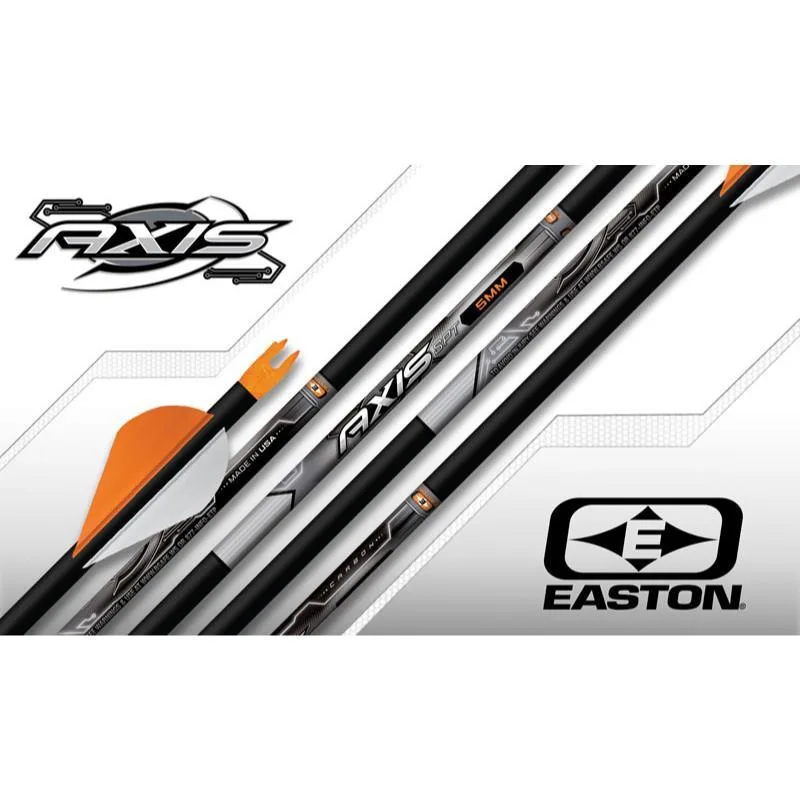
That’s where the Easton 5mm Axis Sport (SPT) enters the picture.
Part of Easton’s established Axis hunting-arrow family, the Axis Sport was developed specifically for bowhunters using shorter draw lengths or lower-poundage bows.
Its 5mm small-diameter shaft uses Easton’s uniform ACU-CARBON construction with high-strength carbon-composite fibers. The arrow is offered in several spine sizes, giving hunters options for matching shaft stiffness to their individual bow setups.
According to Easton, the Axis Sport features a straightness specification of ±.005 inch and comes equipped with 5mm X Nocks and 25-grain aluminum half-outs.
It’s a practical option for hunters who want the benefits of a small-diameter hunting shaft without assuming they need a high-poundage bow to take advantage of it.

Get the Spine Right First
One mistake bowhunters can make is choosing an arrow solely by its weight or advertised speed.
Arrow spine describes how much a shaft flexes under a standardized load. The proper spine depends on several factors, including draw weight, draw length, arrow length and point weight.
An arrow that’s improperly matched to the bow can be difficult to tune and may produce inconsistent flight, particularly when switching from field points to broadheads.
The Axis Sport is available in 260, 300, 340, 400, 500 and 600 spine sizes. That range provides choices for different setups, but hunters should consult Easton’s shaft-selection guidance rather than selecting a spine based on draw weight alone.
A correctly matched arrow and a properly tuned bow are far more valuable than a few extra feet per second from a poorly chosen shaft.
Don’t Overlook the Front End
Arrow components can also influence the finished setup.
Broadhead weight and insert weight affect total arrow mass and front-of-center balance, commonly called FOC. Increasing weight at the front can change arrow flight characteristics and dynamic spine requirements.
The Axis Sport is compatible with Axis-family components, including Easton’s optional brass HIT inserts and other front-end configurations.
That flexibility allows bowhunters to evaluate different finished-arrow weights without switching to an entirely different shaft platform.
But adding weight isn’t automatically an improvement. Every change should be evaluated through proper tuning and practice at realistic hunting distances.

Build Confidence Before Hunting Season
Once you’ve settled on an arrow setup, the next step is proving it in the field.
Start by making sure field points group consistently. Then test your hunting broadheads at the distances you’re comfortable shooting. Fixed-blade and mechanical broadheads may have different tuning requirements, so don’t assume a setup that’s accurate with field points will behave identically with hunting heads.
Practice from elevated positions if you hunt from a tree stand. Shoot while wearing your hunting clothes. Practice drawing smoothly from seated and awkward positions.
Most importantly, establish an ethical maximum shooting distance based on repeatable accuracy, not the bow’s advertised capabilities.
And inspect every arrow before shooting. Easton recommends checking shafts and components for signs of damage, particularly after impacts with hard objects or other arrows. Damaged arrows should never be shot.
Better Equipment Starts With Better Choices
A lower draw weight doesn’t have to mean settling for a poorly matched arrow. It means paying attention to the details that matter.
For some bowhunters, that may mean choosing a smaller-diameter shaft. For others, it means correcting an improper spine, reconsidering broadhead weight or spending more time tuning before season.
The goal is the same regardless of draw weight: a dependable arrow that flies consistently and performs as intended when the opportunity comes.
With its small-diameter construction, range of spine options and compatibility with Easton’s established Axis components, the 5mm Axis Sport offers another option for building that kind of hunting setup.
Learn more about the Easton 5mm Axis Sport and explore Easton’s full hunting-arrow lineup.
Sponsored Content: This article was produced in partnership with Easton Archery. Product specifications are provided by the manufacturer.
Read More From Deer & Deer Hunting

Related Articles
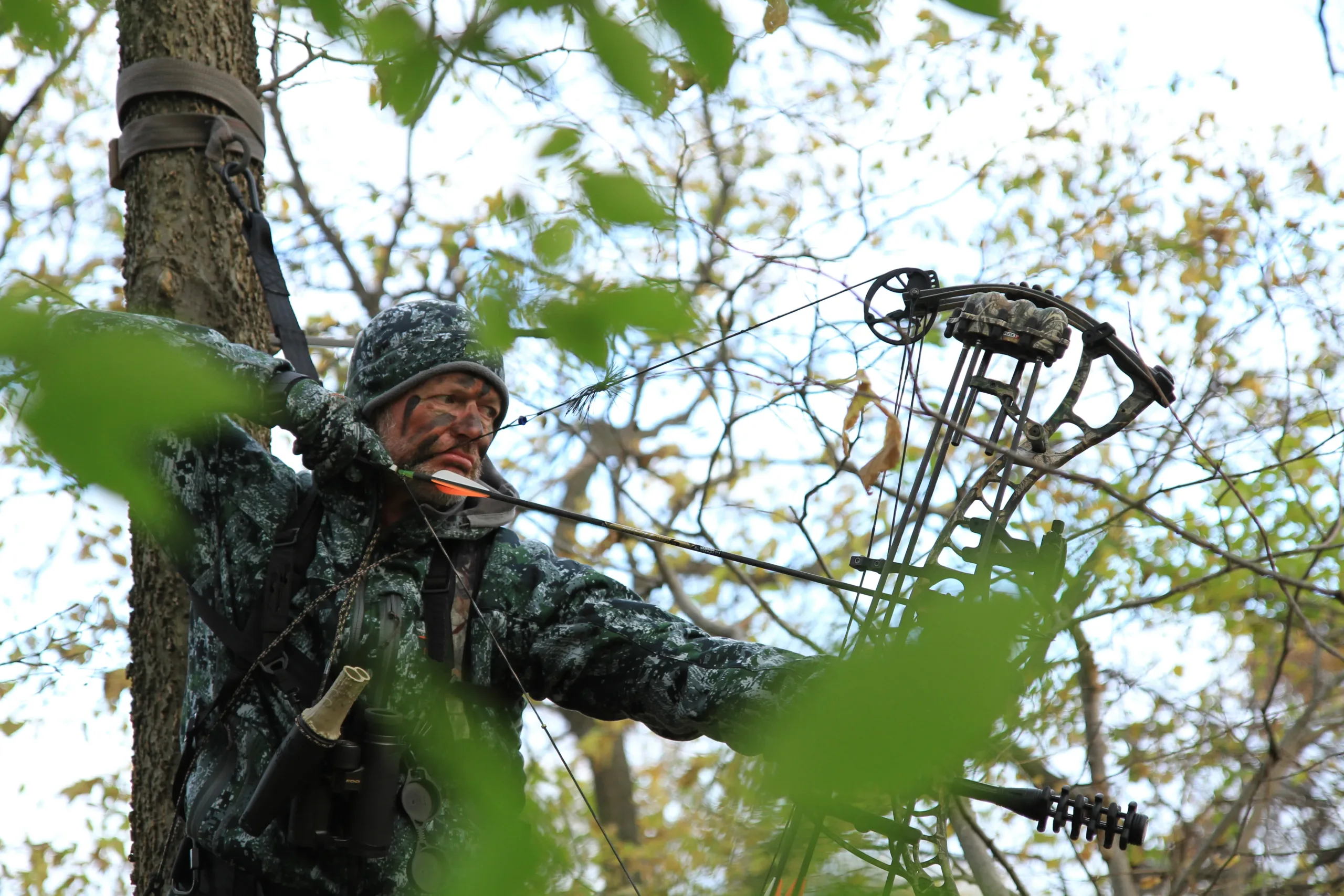
300,000 Arrows: A Lifetime of Bowhunting Practice
After four decades of practice, Bob Robb estimates he has shot more than 300,000 arrows. He looks back on the discipline, memories and physical toll of a lifetime behind the bow.
Read More about 300,000 Arrows: A Lifetime of Bowhunting Practice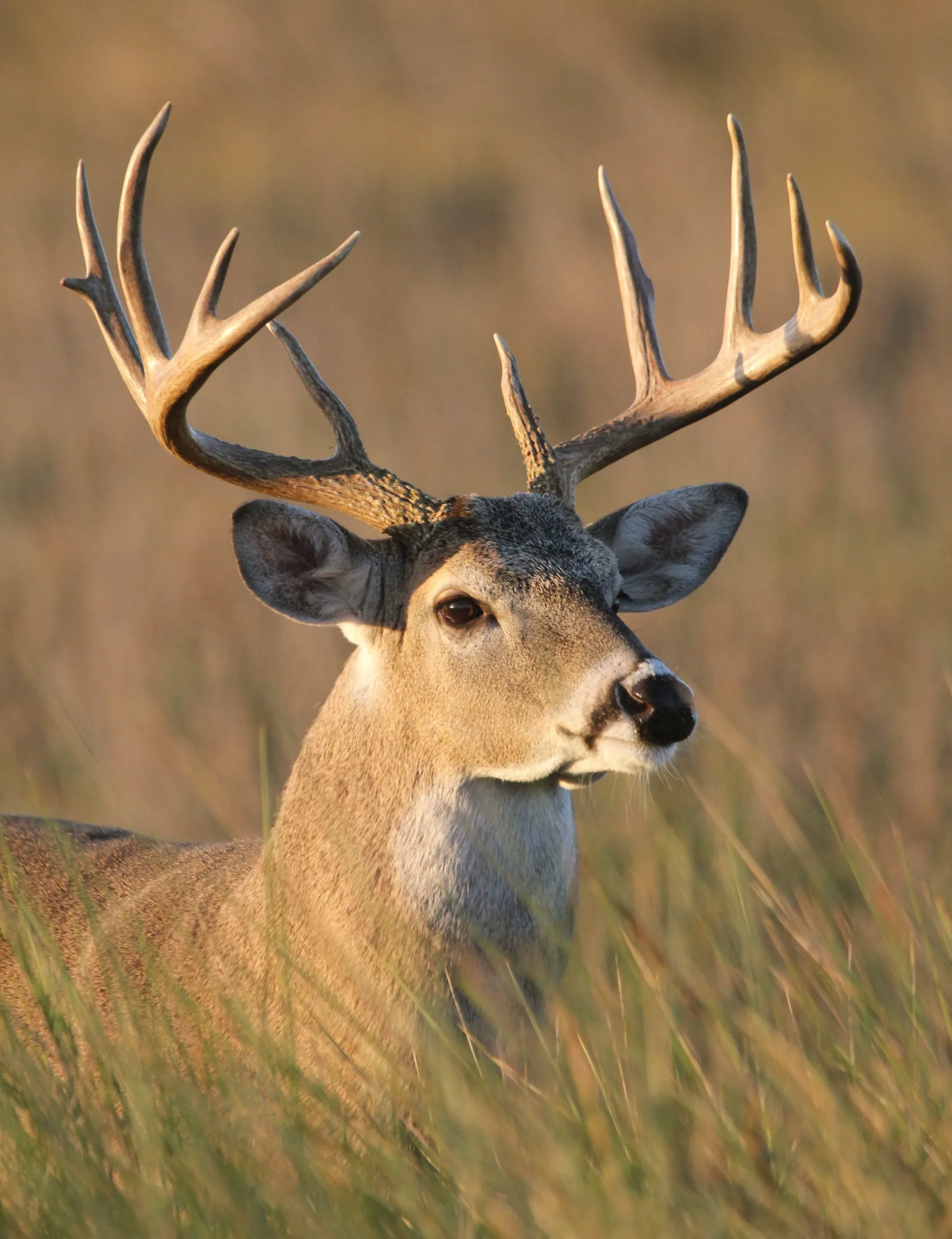
Real-World Big Bucks: How Age Changes Whitetail Antlers
How much can a buck change from a yearling to full maturity? Charles Alsheimer draws on decades of observing known-age whitetails to explore three different antler-growth patterns.
Read More about Real-World Big Bucks: How Age Changes Whitetail Antlers
American Hero: Army Veteran Tags a 203-Inch Oklahoma Giant
Brandon Neitzel had years of trail-camera history with a giant Oklahoma whitetail. One cell-camera photo convinced him to make his move, leading to a 7-yard shot at the 203-inch buck.
Read More about American Hero: Army Veteran Tags a 203-Inch Oklahoma Giant