
The Key to Lush Food Plots
How do you manage your food plots? Head to the forum to lend your advice.
 You’ve killed the weeds, raked away the brush and broke the soil for your food plot. It’s time to plant some seeds, right?
Wrong!
Each year, many well-intentioned hunters and landowners make the mistake of planting food plots without learning their soil’s pH levels. This is a huge mistake that wastes time and money.
A plant’s survival depends strictly on the soil’s fertility level. The pH level gauges the soil’s acidity. On a scale of 1 to 14, 1 is acidic, and 14 is alkaline. Neutral soil — 7 — is the optimum level for plant growth. Low pH levels prevent plants from absorbing nutrients. The pH levels in fallow fields with sandy soil commonly range from 4.7 to 5.4. Lime applications can bring these levels closer to the neutral range. It isn’t necessary to
get to 7, but the closer you are, the more productive your plots will be.
Tests are inexpensive and easy to complete. The easiest way to get your soil tested is to visit your local farm co-operative.
Related Articles
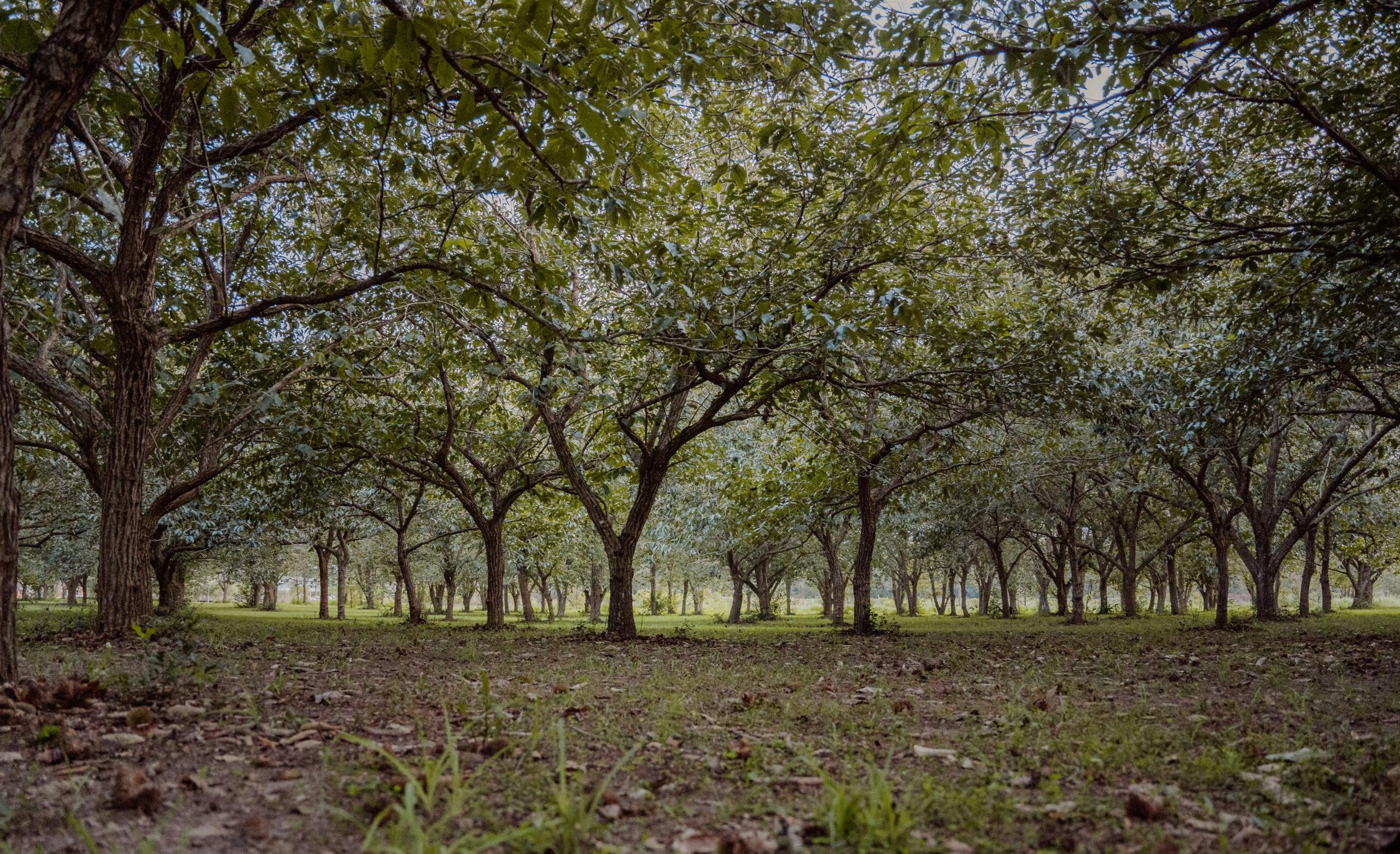
Site Selection 101: Setting Up Your Mast Orchard for Fall Planting Success
Choosing the right planting site is key to a thriving mast orchard. Get expert tips on slope, soil, sunlight, and site prep from Chestnut Hill Outdoors.
Read More about Site Selection 101: Setting Up Your Mast Orchard for Fall Planting Success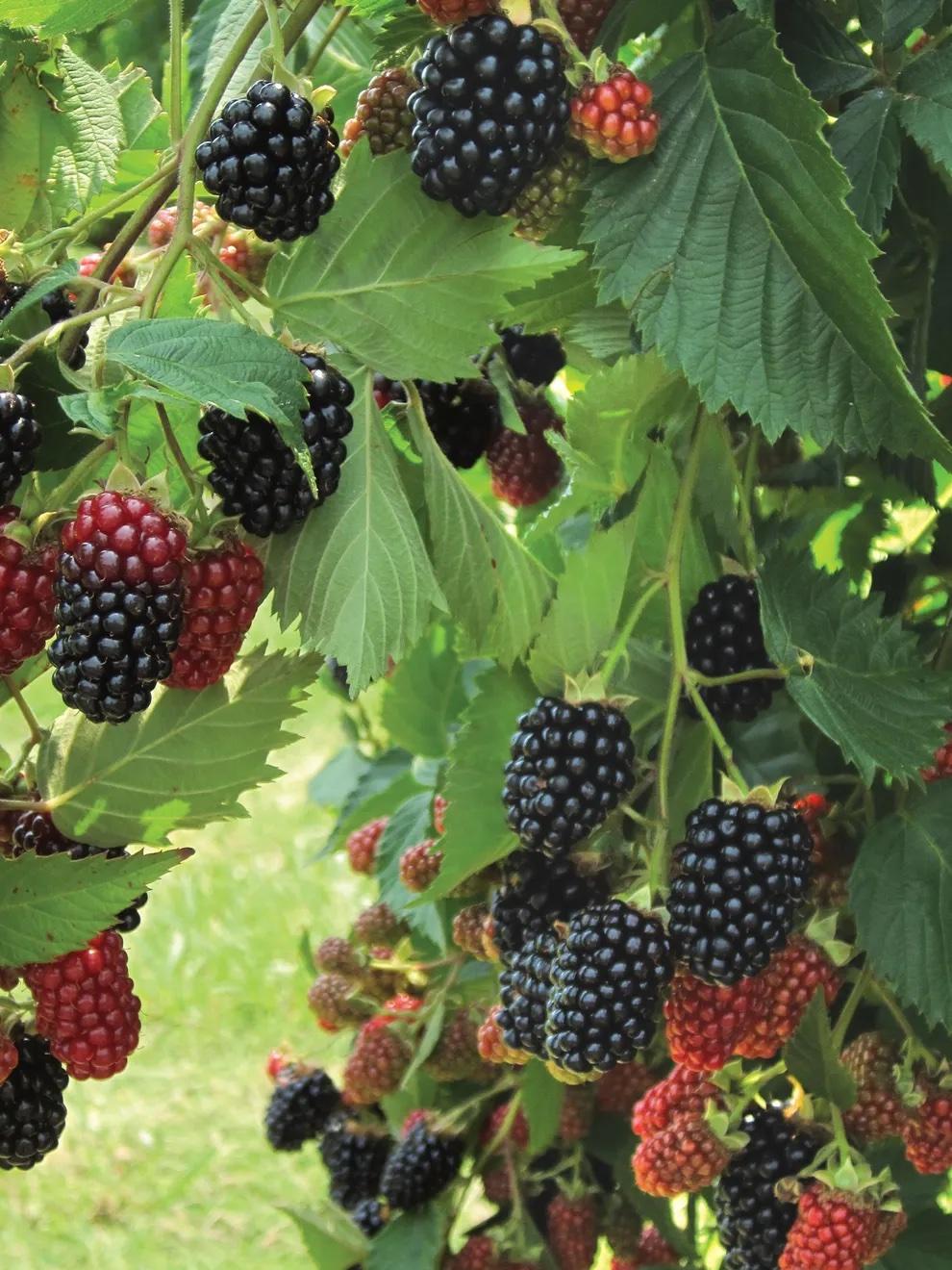
5 Blackberry Varieties for Deer
Soft mast species, like blackberries, can add cover for protection from predators and the elements as well as added nutrition for whitetails.
Read More about 5 Blackberry Varieties for Deer
Add Diversity and Fill Nutritional Gaps with These Trees for Deer
Chestnut Hill Outdoors offers an array of soft mast species to supplement nutritional gaps that are not filled by hard mast species.
Read More about Add Diversity and Fill Nutritional Gaps with These Trees for Deer