
Locavore Blog: Chasing the Arrow and Other Archery Terms
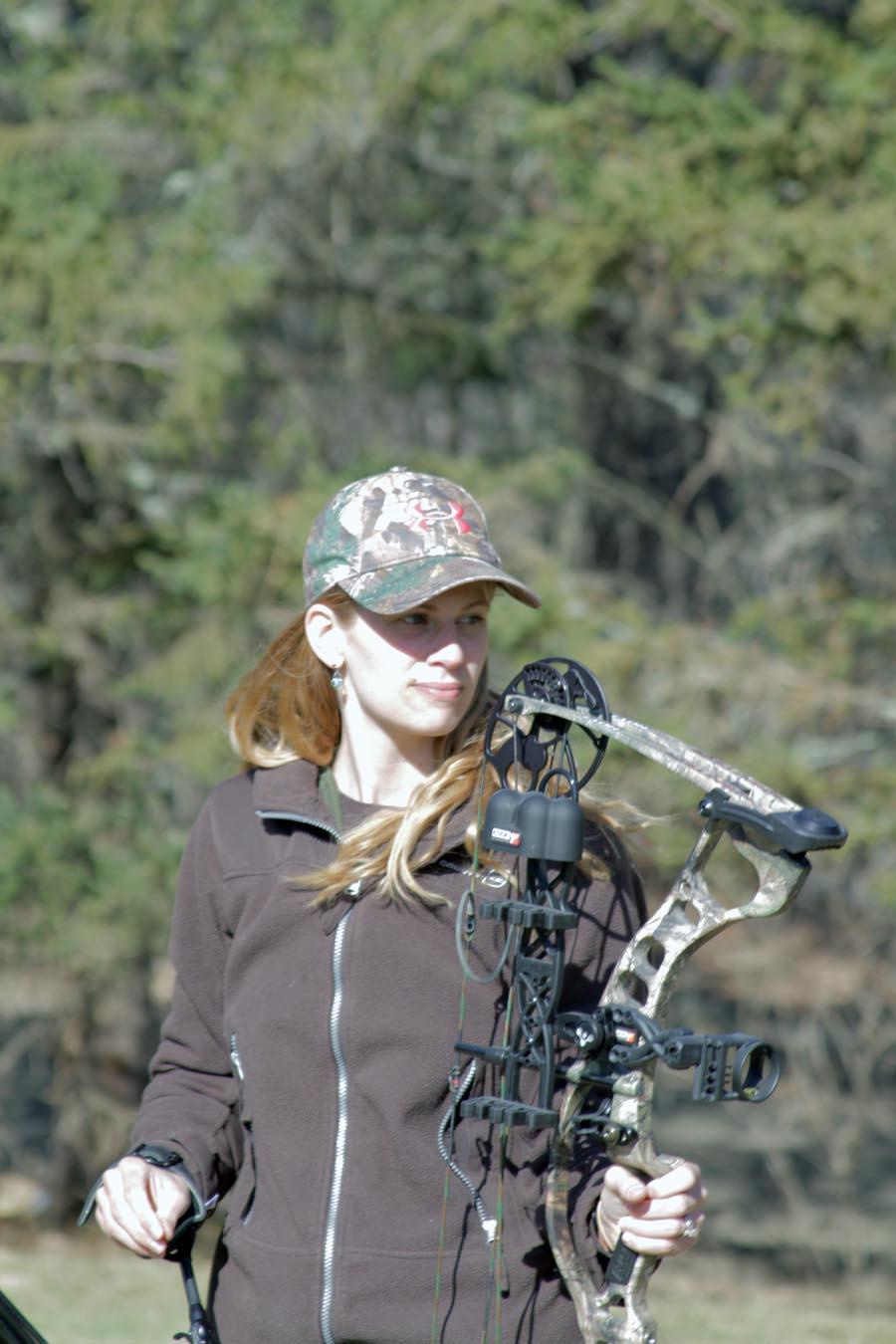
Thumbing through back issues of Deer & Deer Hunting, I find myself stumbling over terminology related to archery, bowhunting, and rifle hunting – all words I need to start familiarizing myself with for my future goal (and also so I sound like I know what I’m talking about). Considering that I didn’t grow up within a hunting family, it’s all new to me. Luckily, my husband has been hunting since childhood and is one of the most valuable resources I have.
My Complete Compound Bow Package
Not knowing what I wanted to use or what I actually needed with regard to bow accessories made the 2014 Hoyt Ignite Compound Bow a great choice because it already comes with a few attached: the FUSE ProFire 3 Pin Sight, FUSE Vector 4 Arrow Quiver, and Whisker Biscuit Arrow Rest. I know that there will be other bow accessories I’ll eventually want to add, but aside from some carbon arrows, a quiver and a T.R.U. Ball Stinger release, I’ve been able to practice daily and seem to be improve daily, too!

The Archer’s Dictionary: Learning New Archery Terms
The Whisker Biscuit I mentioned above and the term “dry fire” were two terms in particular that we discussed during my first archery lesson. While the archery (and hunting) vocabulary covers a lot of ground, here are a few terms that I’m familiarizing myself with:
Dry Fire: the release of a bow string at full draw without an arrow. Letting that bow string fly without an arrow could permanently damage my new bow.
Whisker Biscuit: the arrow rest incorporated into my 2014 Hoyt Ignite Compound Bow. This type of rest anchors the arrow while new archers like myself concentrate on hearing that audible CLICK as the arrow snaps onto the bow string, ensuring that it is ready and loaded.
Chasing the Arrow: following where the arrow is impacting the target and adjusting the sight in order to shoot straight and accurately. For me, this took several adjustments while at the archery dealership as well as a few fine tune adjustments made at home. After the final home adjustments, I was able to hit the bullseye instead of three inches to the left of it.

 Bow stabilizers: can be screwed into a compound or recurve bow in the front in order to remove all vibrations from the bow. It comes in a variety of weights, sizes and materials and the one you pick may differ depending on whether you are using it for bowhunting or 3D archery tournaments. I do not have one attached to my bow yet.

Targets: come in a range of sizes and materials. For bowhunting purposes, a 3D buck target is the way to go, but a fresh target face stapled to a standard archery block is also good for shooting practice. I’m looking forward to setting up a simple outdoor range in my backyard in the next few weeks.
One thing I’ve noticed while beginning this journey is that fellow bowhunters and archers want to offer guidance and assistance. By asking questions and stepping into the role of student, I’m learning a lot that will hopefully stay with me during this adventure.
-
 Want to know how you can become better bow shot, improve your consistency, increase your range, what gear will make you more effective and how to avoid bowhunting’s most common bugaboos?
Deer & Deer Hunting’s Guide to Better Bowhunting is packed with the very best tips and strategies from our No. 1 archery expert. Inside you’ll find shooting advice, insights on critical gear, bowhunting techniques and tons of helpful hints for in-the-field archery success.
This cutting-edge information is presented in a straightforward, no-nonsense, quick-hitting guide that is easy to digest and understand whether you are a beginner or seasoned archery veteran. This guide highlights all the little things archers can do to get more out of their archery gear, and it offers real-world examples of how the latest products can help you in the woods.
Related Articles
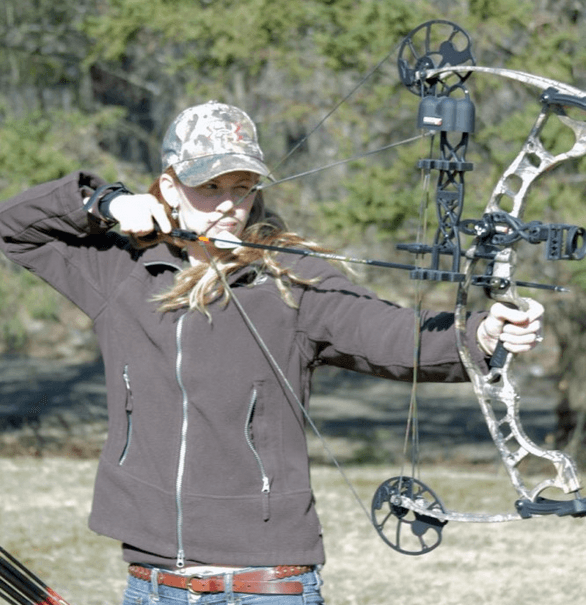
Intro to Archery: Second Deer Season
Thanksgiving is over and our long stretch of warm weather seems to have been replaced with frost and ice. As I write this, I’m sitting next to our woodstove, staying warm against the gloom of one of our first real wintery days here in Vermont, my back growing warm against the flickering orange and yellow […]
Read More about Intro to Archery: Second Deer Season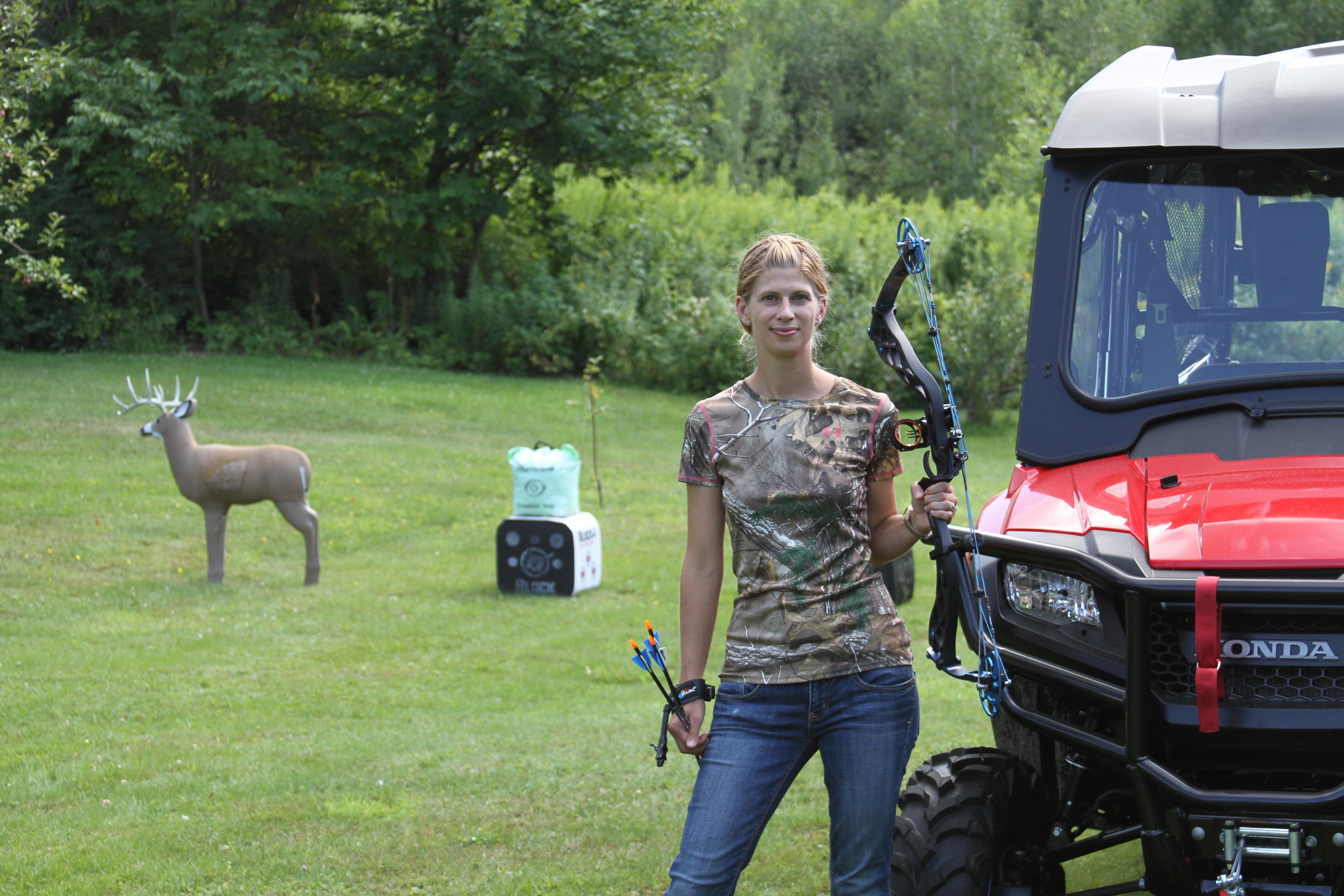
Intro to Archery: Build a Bowhunting Community
When I decided to learn archery and how to bowhunt, I never realized I would be joining such a supportive and enthusiastic community. Yet that is one of the many side benefits to this fun sport — the camaraderie within the bowhunting family and the welcome new bowhunters receive — no matter their age or […]
Read More about Intro to Archery: Build a Bowhunting Community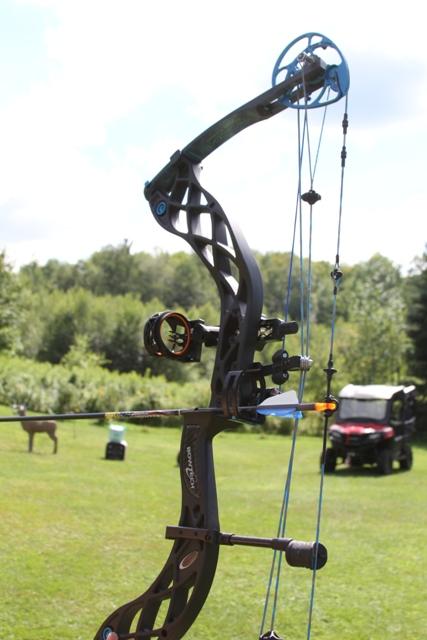
Intro to Archery: The Rangefinder of Possibilities
I’m almost embarrassed to admit that I didn’t own a rangefinder until about three weeks ago. Some of that stems from the fact that I’m not a gadgety person. In fact, one of the main things I relish about living out in the boonies is the lack of cell phone coverage. This means that I’m […]
Read More about Intro to Archery: The Rangefinder of Possibilities