
Mother Nature’s Cruel Virus
 Brian Luther of Norwood, N.C., enjoys using scouting cameras and is a huge fan of Deer & Deer Hunting’s “Candid Whitetails” column. As a loyal follower of “Candid Whitetails,” Luther has seen a lot of strange deer photos, but one of the strangest he’s ever seen was taken with his own camera.
Luther obtained a photo of a doe whose body is largely covered with some sort of wart-like growth. His question, understandably, is “what are they?”
These growths appear to be papillomas, one of three benign tumors known to affect white-tailed deer (the others being fibromas and lipomas).According to Leonard Lee Rue III, “These are caused by viral infection, cannot be transmitted to man, and are seldom very injurious to the deer.”
Although none of these deer ailments are common, papillomas are the most common of the three tumors and consist of wart-like growths that may number in the dozens. However, despite their unsightly appearance, the growths come off with the deer’s hide when the deer is skinned, and the meat is completely safe to eat. Cattle also contract papillomas, but of a different variety.
— Joe Shead
Related Articles

Armed Poachers in Florida Could Lose Guns
Florida Attorney General James Uthmeier has announced legislation that would significantly increase penalties for poachers who discharge firearms near homes, occupied buildings, people, or critical infrastructure while illegally taking wildlife.
Read More about Armed Poachers in Florida Could Lose Guns
New At-Home Lyme Test Could Help Outdoorsmen Make Quicker Decisions
Called LymeAlert, the at-home test is designed to determine whether a removed tick carries the bacteria responsible for Lyme disease.
Read More about New At-Home Lyme Test Could Help Outdoorsmen Make Quicker Decisions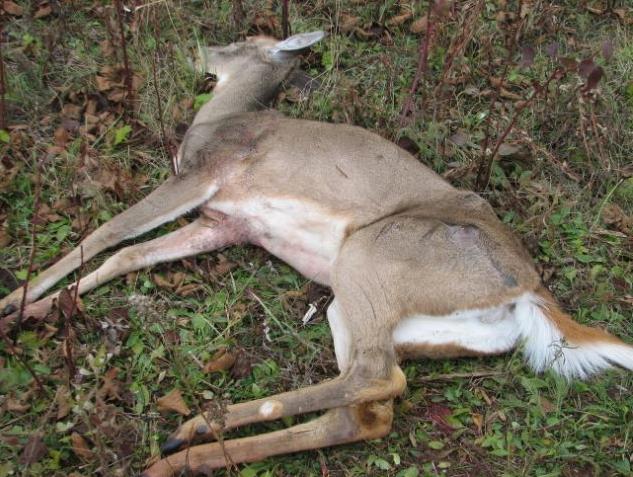
Man Charged with 50 Violations After Months-Long Poaching Investigation
Michigan man charged with 50 firearm and wildlife violations after allegedly shining and shooting deer from his vehicle for months.
Read More about Man Charged with 50 Violations After Months-Long Poaching Investigation