
The Neighbor Mentality: When You Follow Suit, But It Doesn’t Suit You
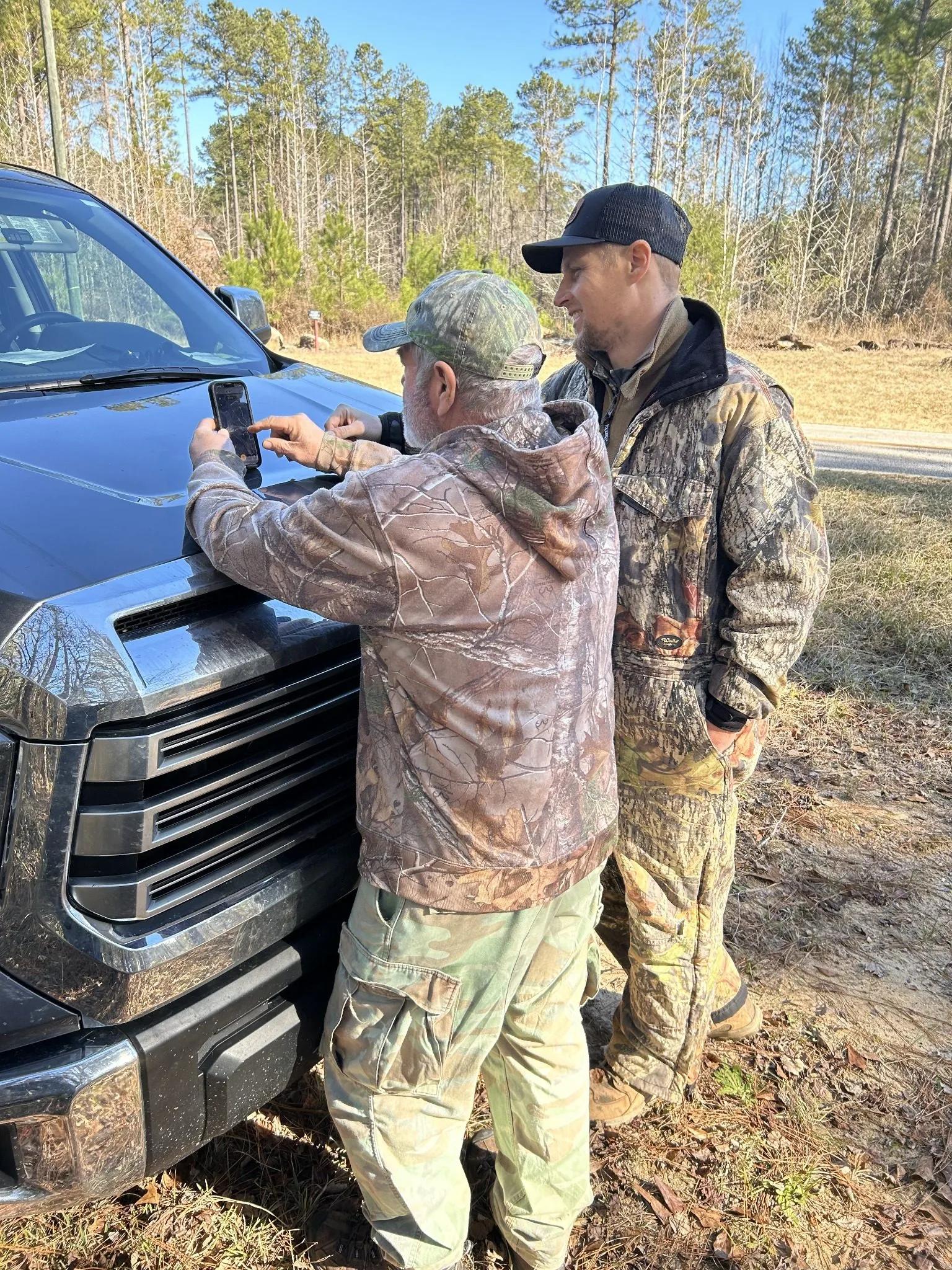
The hunting community is laden with people who have different mindsets and opinions. We each have different hunting strategies, prefer different equipment and pursue deer for different reasons, whether for meat, antlers, an experience or otherwise. A hunter’s goals are as unique as they are, but many hunters are quick to overlook their goals in favor of doing what their neighbor’s doing — and it doesn’t make sense.

We all know hunters who claim to be mature buck hunters but then shoot young deer, saying, “If I didn’t shoot it, my neighbor would’ve.” We also probably know someone who swore off using corn or crossbows or some technology they didn’t agree with, but then started using it after finding out their neighbor does.
These situations demonstrate a phenomenon I call “the neighbor mentality,” and it’s negatively affecting the hunting community. To define it more plainly, the neighbor mentality is compromising your personal standards and doing something simply because your neighbor is either doing it or you think they are.
The concept applies to both private and public land hunters, regardless of where, when and why they hunt. It’s similar to the bandwagon effect, except it refers to what those closest to you are doing as opposed to what everyone’s doing. In this case, a “neighbor” is anyone hunting close enough to impact the deer you’re hunting.
People typically follow their neighbor’s mentality because they feel they’ll miss out on opportunities if they don’t, or they believe there’s no hope in doing what they want because their neighbor is working against them. Either way, the mentality is counterproductive.
Consequences of the Neighbor Mentality
The neighbor mentality is an ugly concept for hunters and wildlife. When you act assuming you know what your neighbor will do, you often act as a reaction, as opposed to following your own individual instinct or preference.
As a result, the neighbor mentality is depleting hunter morale, creating less satisfying hunting experiences and often resulting in selfish, impulsive decisions with long-term consequences for the resource and hunters.
The neighbor mentality and its consequences are most easily understood when applied to buck hunters.
For example, if a hunter shoots a young buck simply because they think their neighbor would, there’s a 100% chance the buck will die, granted the shot was lethal. However, if a hunter lets a young buck walk, there’s a possibility their neighbor may never see it, or may decide not to shoot it, or may miss if they do shoot it.
In each case, the deer would live to see another year, likely flaunting a more impressive rack. Ironically, that’s what mature buck hunters wanted all along. Passing on young bucks takes discipline and self-control, and the decision benefits the resource and has the potential to benefit you, too.

Public land buck hunters are notorious for assuming the neighbor mentality, often writing off all public lands as being incapable of producing old, rugged, mature bucks. But the beauty of public lands is that they’re unpredictable. Every year, the hunting community goes wild over news stories of giant bucks being harvested on public land.
Bucks don’t know whether they’re walking on public or private land; they’re just walking the land. They can easily cross property lines and become eligible to anyone hunting public land.
Sure, more record-book bucks are taken on private land likely because people can better manage for them, but it’s also because America has more privately owned land — about 60% private compared to about 40% public — and therefore more people hunting private land.
According to the U.S. Fish and Wildlife Service’s “Trends in Hunting on Public and Private Land” analysis paper, 7.2 million hunters relied exclusively on private land, while 1.9 million hunted public lands and another 3 million hunted on both public and private land.
Although it’s much easier to lower your standards and assume the neighbor mentality than it is to stand your ground, speak your truth and act the way you say you want to, it’s essential that we do the latter.
Turning the Tables
Hunters may never see eye to eye on hunting goals and management practices with other hunters, but we can strive to — at the very least — search for common interests, align ourselves with our neighbors, and work with them to create more favorable results on public or private land.
Here are some steps to reverse the neighbor mentality mindset and better position yourself to attain desired outcomes, while working alongside other hunters in a unified manner.
1. Think for Yourself, Don’t Succumb to Influence
Whether you hunt private or public land, vow to resist the neighbor mentality and think for yourself. Determine what’s best for you, wildlife, wild places and the hunting community at large, then create your hunting strategy to align with those goals and act accordingly.
If you want to accomplish your goals, you can’t let your neighbor’s habits distract or discourage you, nor can you compromise your approach to hunting. If you want to shoot trophy bucks, you can’t shoot little ones. If you don’t want to pay hundreds of dollars to bait throughout hunting season, then don’t.
You can only control yourself and you must recognize that you can’t be a part of the problem. If your approach is different than everyone around you, so be it. You will eventually see favorable results, but those results will take time, consistency and dedication.
2. Connect with Your Neighbor, Share Perspectives
Once you determine your truths as a hunter, put your feelings or assumptions aside and have an open, honest, hunter-to-hunter conversation with your neighbor(s) about their hunting strategies and goals.

Your objective is to discover what kind of hunter they are and how they’ll act in certain situations so you can stop making assumptions about their habits and intentions. As you talk, keep in mind that deer are a public resource, and most hunters want to see healthy deer populations because it results in increased hunting opportunities and higher satisfaction rates.
No matter what they share with you, respect and accept them where they’re at and realize it’s OK to be on different wavelengths, agreeing to disagree. After hearing them out and reassuring them you respect their approach, share your perspective.
Having an intentional conversation helps everyone better understand one another while recognizing how individual hunting habits impact other hunters and the local deer population.
Use your newfound knowledge of each other’s approach to hunting to find common ground. Then, vow to work together so you can both achieve your goals.
3. Move Forward Together
Your neighbors can either work with you, work against you or ignore your interests altogether. Joining forces is the most ideal and beneficial scenario for both parties.
Everyone should be able to brainstorm something they want to see improved on the land or with the wildlife they’re hunting. You might want to see better habitat, less predators, more deer, bigger bucks or something else. Pick one thing you both agree on and work toward it as a common goal.
If you can make progress and share in the success together, you’ll likely positively influence one another and open the door to working together on other future goals.

If you’re struggling to agree on something, you can still create favorable results with creative solutions. For example, if your neighbor is a meat hunter who shoots four deer a year to feed his family and you’re gunning for mature bucks with impressive headgear, consider shooting and tagging a few does to gift him the meat. Then, he may feel less pressured or rushed to fill tags that season and instead let a few young bucks walk.
If you’re unable to come up with a workable plan where both parties are satisfied, don’t lose hope. Continue to be a friendly and transparent neighbor. People change and their goals might, too.
Keep checking in and be willing to celebrate their hunting successes with them even if you don’t agree. Then, revisit the idea of a win-win plan in future years if they’re receptive. Always strive to make allies, not enemies in the hunting community, because you never know when you’ll need your neighbor.
4. See Results, Inspire Others
When you stay true to yourself and collaborate with your neighbors in a united way, as opposed to conforming to those closest to you out of spite or simplicity, you will start to see favorable changes.
As you continue to think independently and work alongside others, you’ll likely draw the attention and interest of other hunters. Your efforts may either inspire them or encourage them to get involved, in turn strengthening the hunting community.
Give People the Benefit of the Doubt
The National Deer Association’s 2024 Deer Report compiled data on the 2022-2023 season and found very positive trends. The yearling buck harvest rates were the lowest ever recorded, and the percentage of 3.5-year-old and older bucks in the harvest was 42%, the highest percentage ever recorded.
In other words, people aren’t shooting as many young bucks, either because they’re not seeing them or they’re letting them walk. Either way, those statistics provide a lot of incentive to forget the “if I don’t shoot it, someone else will” mentality because older bucks do exist.
Final Thoughts
Don’t succumb to what your neighbors are doing, unless their goals align with yours and you genuinely believe their approach is beneficial. In all other situations, avoid the neighbor mentality and do what’s best for yourself and wildlife.
Taking the honest high road is more rewarding and beneficial for all. When you speak your truth and let your decisions and actions follow suit, you will see positive changes in your attitude, on the landscape and eventually, on your wall.
— Cassie Gasaway is an avid bowhunter whose life centers around God, family and the outdoors. She started her professional career at the National Wild Turkey Federation as the web content specialist. She spent the past eight years as the communications manager for the Archery Trade Association.
Read More From Deer & Deer Hunting
Property-Line Stands: Where Do You Draw the Line?
Communication and respect between neighboring hunters become especially important when hunting close to property boundaries.
How to Hunt Small, Private Parcels and Pressured Ground
Hunting pressured ground requires realistic expectations, careful planning and an understanding of how other hunters affect deer movement.
12 Best Public Land Deer Hunts in the Midwest
Public ground can still produce quality deer when hunters are willing to scout, adapt and work around pressure.
The Age When Bucks Grow Their Largest Antlers
Age remains one of the biggest factors in allowing bucks to reach their full antler potential.
Related Articles
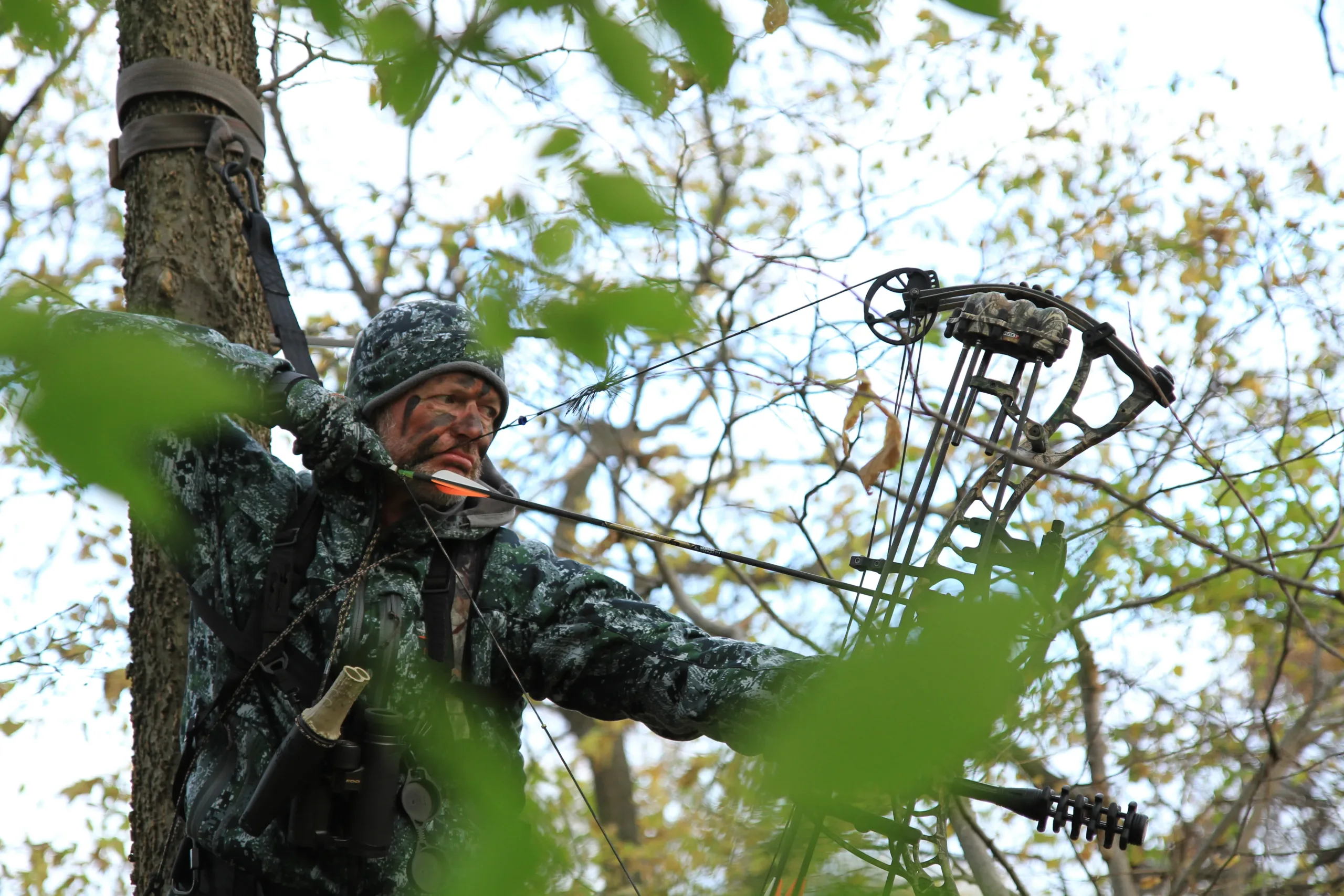
300,000 Arrows: A Lifetime of Bowhunting Practice
After four decades of practice, Bob Robb estimates he has shot more than 300,000 arrows. He looks back on the discipline, memories and physical toll of a lifetime behind the bow.
Read More about 300,000 Arrows: A Lifetime of Bowhunting Practice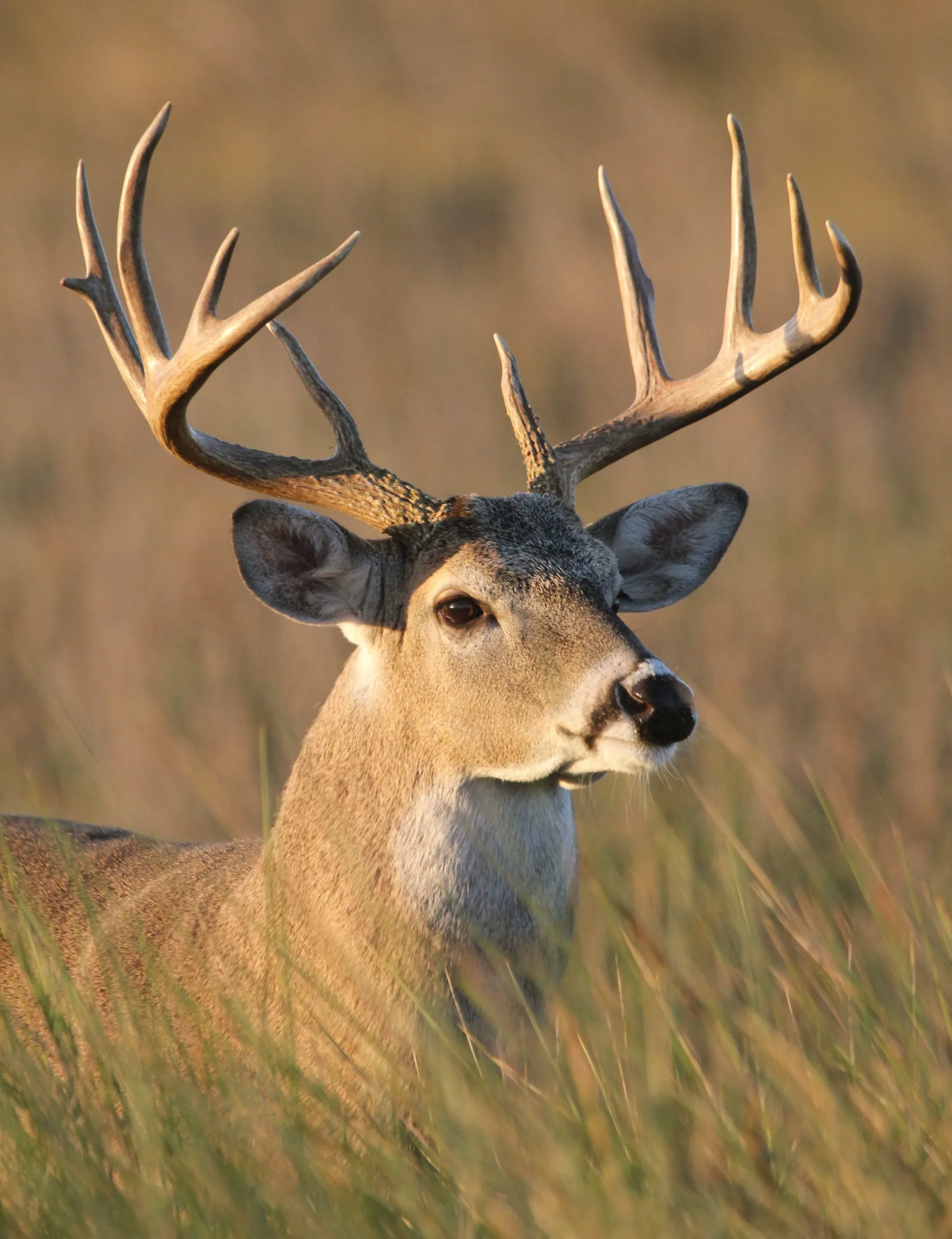
Real-World Big Bucks: How Age Changes Whitetail Antlers
How much can a buck change from a yearling to full maturity? Charles Alsheimer draws on decades of observing known-age whitetails to explore three different antler-growth patterns.
Read More about Real-World Big Bucks: How Age Changes Whitetail Antlers
American Hero: Army Veteran Tags a 203-Inch Oklahoma Giant
Brandon Neitzel had years of trail-camera history with a giant Oklahoma whitetail. One cell-camera photo convinced him to make his move, leading to a 7-yard shot at the 203-inch buck.
Read More about American Hero: Army Veteran Tags a 203-Inch Oklahoma Giant