
Spring is the Key to Deer Nutrition
At the end of winter, as day length increases, the whitetail’s physiology and behavior change markedly. Deer become much more active in March, and, given the opportunity, increase food consumption.
The rise in activity is presumably associated with an increase in thyroid function and rising metabolism. This springtime increase in deer activity typically occurs before green-up. Thus, an increase in metabolic demand, in the face of low-quality forage and depletion of body fat, forces deer to spend more time foraging to meet their nutritional needs.
For this reason, a prolonged winter can devastate malnourished whitetails. For more insights on how deer are built to survive, check out our top-selling Whitetail Behavior DVD.
Related Articles
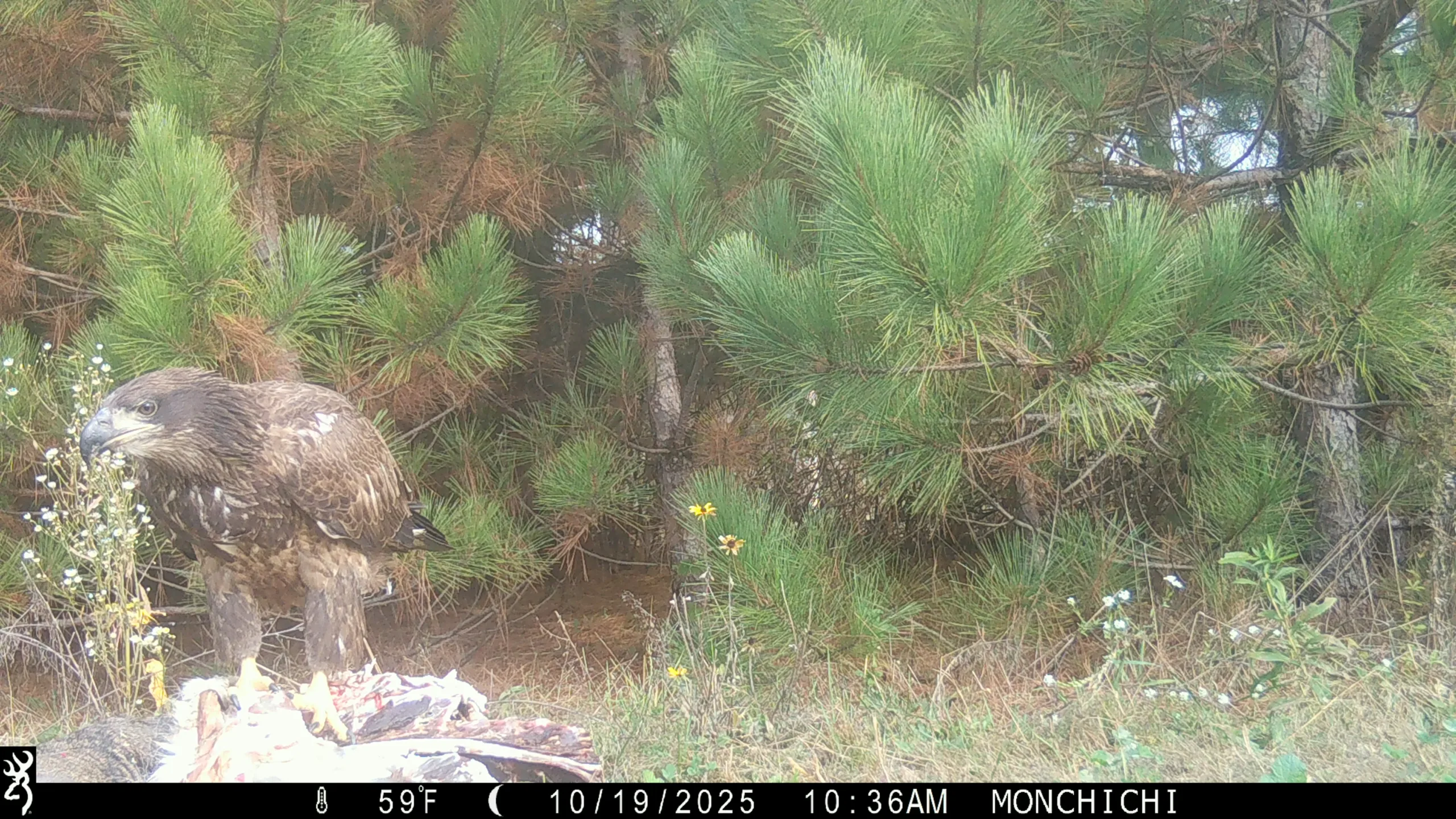
Deer Carcass Cleanup: What Wildlife Eats the Remains?
A harvested deer feeds more than the hunter’s family. From bald eagles and crows to coyotes and raccoons, discover the surprising variety of wildlife that benefits from deer remains.
Read More about Deer Carcass Cleanup: What Wildlife Eats the Remains?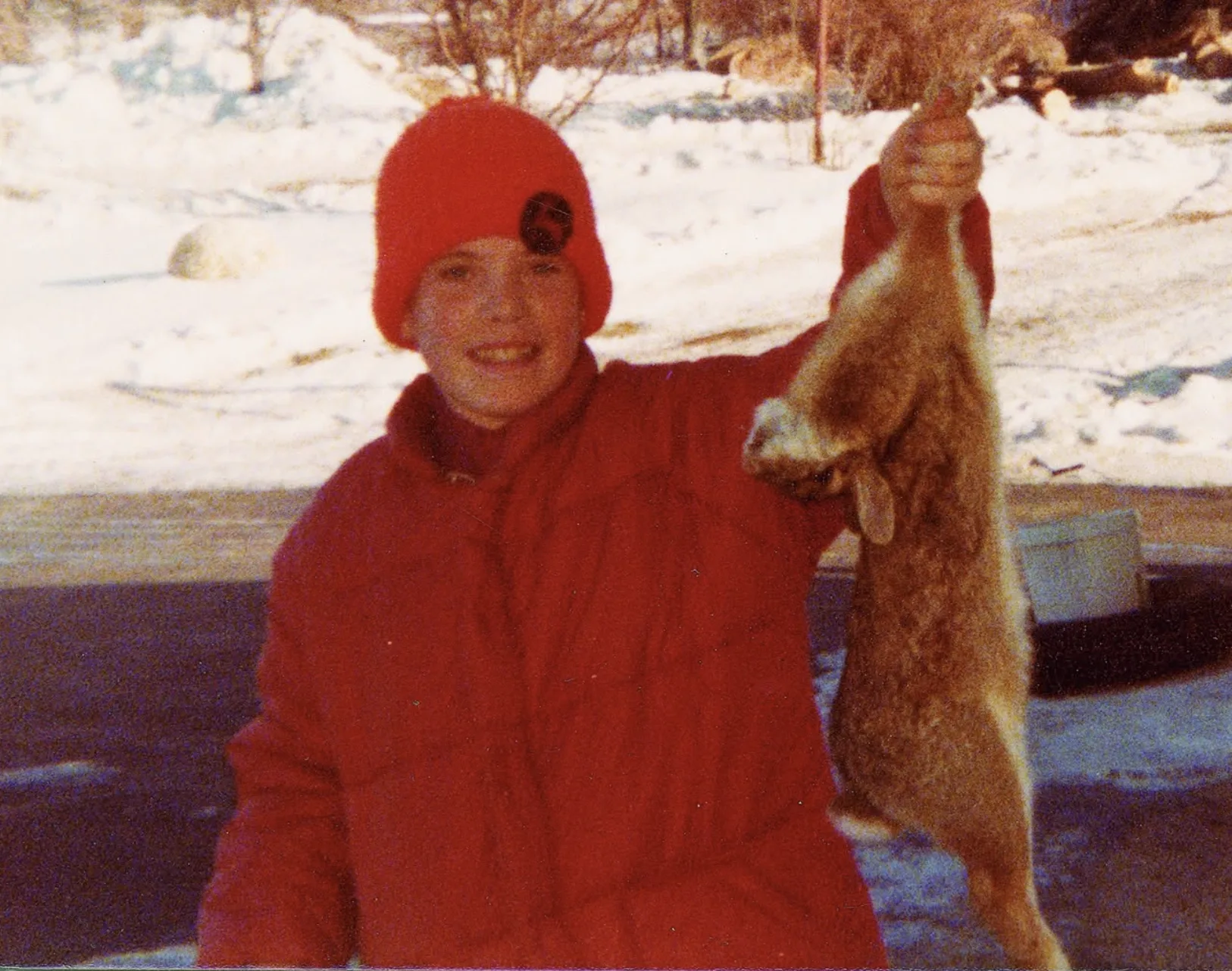
Take Them With You
More than 50 years later, Daniel E. Schmidt still remembers the rabbit hunt his older brothers let him join — and the lesson that memory carries for hunters today.
Read More about Take Them With You
Sorry, But It’s Not a Bolt
It is time. Time to stop the bickering and childish rhetoric over a simple piece of equipment in the deer-hunting world. I’m specifically talking about the term “bolt” when referring to a crossbow projectile. The term was cute — and technically accurate — when it was coined generations ago. But it has long outlived its […]
Read More about Sorry, But It’s Not a Bolt