
The Best Brassicas for Deer Food Plots
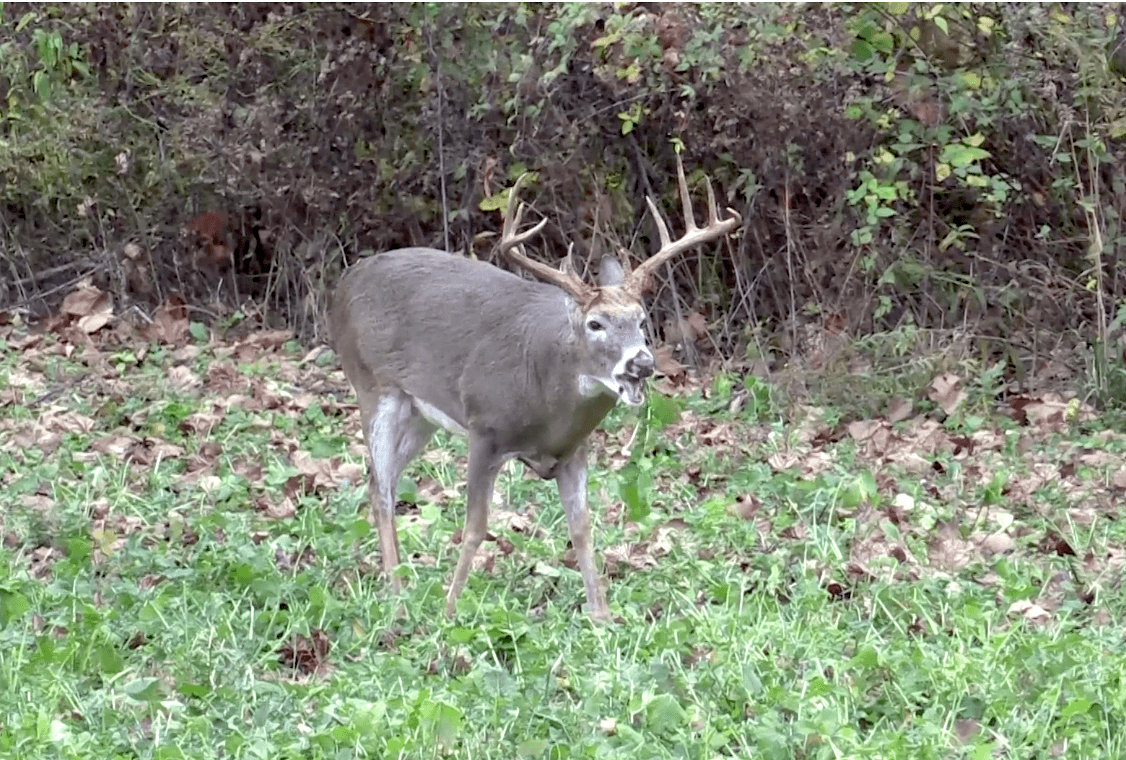
Initially used for cover crops, soil conservation and forage for domestic animals, brassicas were popularized for deer food plots by Biologic, which imports varieties from New Zealand where deer are raised commercially. They’ve taken off like wildfire because of their ease of growing, high protein content, productivity and low planting costs.
TOP FORAGES TO PLANT IN DEER FOOD PLOTS

These are great choices for the small property owner with limited time, but even professional deer managers with thousands of acres use them extensively. Brassica forage production can range up to 7 to 10 tons per acre. For best results use 20-20-20 type fertilizer and apply 46-0-0 a few weeks after the plants emerge. Palatability is fair-to-good early on, and excellent after frosts convert starches in the leaves to sugars.
Planting Dates, North: June-August, South: July-October
Rape: Common dwarf essex rape gets high ratings because it is inexpensive and a heavy forage producer from late summer into winter. Protein content? Some bags of rape warn the protein level can be so high it might “blister the skin on pigs.” If price is the issue, this is your seed, especially when purchased in large quantities.
Kale: This brassica is more expensive than rape, but its tender, lettuce-like leaves rate higher for taste appeal. It’s easy to grow and has high protein, but can be destroyed if planted in small plots with dense deer populations. It often works best mixed with other brassicas. Kale has 18 to 25 percent protein and tops all brassicas for cold tolerance, withstanding 10-degree temperatures.
7 WAYS TO IMPROVE YOUR DIRT FOR BETTER DEER HABITAT
Turnips: These plants produce a bulb that deer can dig up and eat after they’ve finished the green tops. The leaves have 15 to 25 percent protein, bulbs 12 to 15 percent. Turnips tolerate drought better than rape and are easy to grow. Their deep taproots can break up hard pan soil like a drill, leaving holes for water and roots of future plantings to penetrate. A fertilized stand of turnips can grow over 2 feet tall, but make sure you plant enough. Deer love them.
Radishes: Oilseed, deer, forage or daikon radishes have come on strong in recent years as popular food plot plantings because of their hardiness, ease of growing, tangy-tasting root and soil-enhancing characteristics. Radishes can aerate compacted soil, repress competing weeds, release chemicals (glucosinolates) that kill soil-borne pests and fix atmospheric nitrogen for future deer food plots. They make great cover crops that reduce erosion, moisture loss and pollution, while rebuilding the soil’s fertility and productivity.
Winner: Daikon radish. Runner-up: Turnips.
___________________________
Turnips are White Gold for Whitetails
Related Articles

Armed Poachers in Florida Could Lose Guns
Florida Attorney General James Uthmeier has announced legislation that would significantly increase penalties for poachers who discharge firearms near homes, occupied buildings, people, or critical infrastructure while illegally taking wildlife.
Read More about Armed Poachers in Florida Could Lose Guns
New At-Home Lyme Test Could Help Outdoorsmen Make Quicker Decisions
Called LymeAlert, the at-home test is designed to determine whether a removed tick carries the bacteria responsible for Lyme disease.
Read More about New At-Home Lyme Test Could Help Outdoorsmen Make Quicker Decisions
Man Charged with 50 Violations After Months-Long Poaching Investigation
Michigan man charged with 50 firearm and wildlife violations after allegedly shining and shooting deer from his vehicle for months.
Read More about Man Charged with 50 Violations After Months-Long Poaching Investigation