
The Best Rut Dates Are Often Dictated by Deer Density

Deer & Deer Hunting field editor John Ozoga spent most of his career as a wildlife biologist studying the effects of high deer densities, especially those related to the social stress that’s involved when deer densities exceed a property’s carrying capacity.
According to John, too many deer on the habitat can cause nutritional shortages and psychological stress on the deer herd. These are effects that we hunters and deer enthusiasts cannot see. Hints of these effects, however, can be manifested in symptoms that are revealed subtly in deer behavior — such as a prolonged rut, or a rut that doesn’t seem to "happen."
"Studies have shown that high densities (even in areas with supplemental feeding and the best food plots) can delay peak rut activity among socially low-ranking first- and second-time breeding does by as much as two weeks," Ozoga said.
This is something to keep in mind as we enter this deer season. If your area is experiencing a boom in the population, it would be wise to take full advantage of your doe hunting opportunities.
To learn more about sound deer management practices, check out this new book by Kent Kammermeyer.
Related Articles
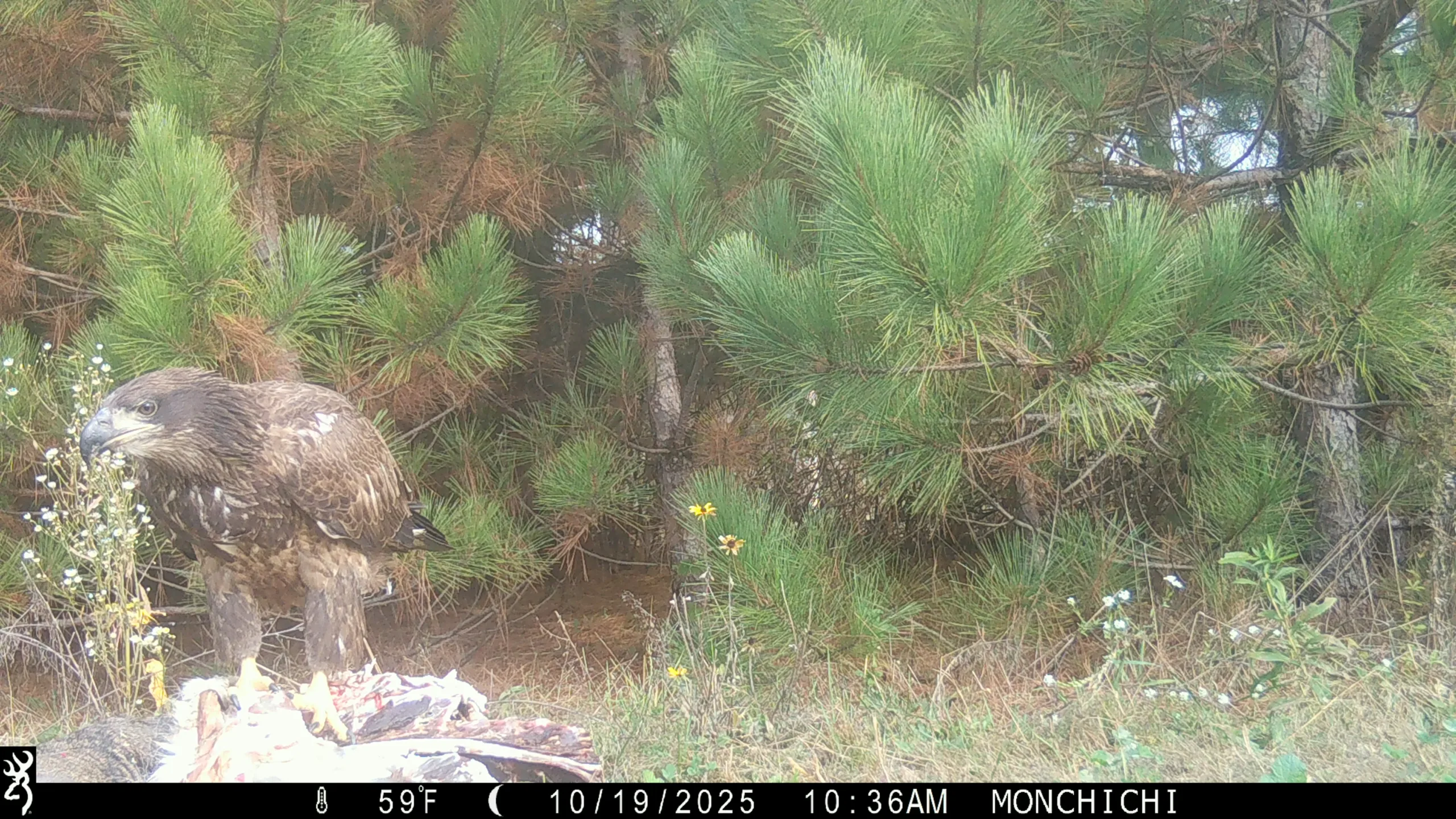
Deer Carcass Cleanup: What Wildlife Eats the Remains?
A harvested deer feeds more than the hunter’s family. From bald eagles and crows to coyotes and raccoons, discover the surprising variety of wildlife that benefits from deer remains.
Read More about Deer Carcass Cleanup: What Wildlife Eats the Remains?
Take Them With You
More than 50 years later, Daniel E. Schmidt still remembers the rabbit hunt his older brothers let him join — and the lesson that memory carries for hunters today.
Read More about Take Them With You
Sorry, But It’s Not a Bolt
It is time. Time to stop the bickering and childish rhetoric over a simple piece of equipment in the deer-hunting world. I’m specifically talking about the term “bolt” when referring to a crossbow projectile. The term was cute — and technically accurate — when it was coined generations ago. But it has long outlived its […]
Read More about Sorry, But It’s Not a Bolt