
The Key to Whitetail Communication
For more insights on the science behind the whitetail’s sense of smell, check out the August 2009 issue.
 Deer usually track each another by the discharge from their interdigital gland, which is located between their two hoofs. This gland apparently does not begin to function in newborns for a week or more because the doe is not able to track her own fawns. This lack of a scent trail means that predators are not able to track the fawn, either.
The interdigital gland is a major means of communication among adult deer. Top behaviorists like Deer & Deer Hunting’s Leonard Lee Rue III were among the first to realize this whitetail gland is far more important to deer than most researchers had suspected. Researchers first became aware of that when they noticed deer always lick the gland clean after they cross muddy areas.
Deer live in a world of scent, a world that we can only speculate about. In addition to interdigital glands, communication scents are emitted by forehead, preorbital, nasal, salivary, tarsal, metatarsal, and preputial glands. With these scents, a deer is communicating its sex, size, status, readiness for breeding, food that it is eating, familial affiliation, etc.
Thomas Atkeson and Larry Marchinton discovered the significance of a whitetail’s sudoriferous glands in 1992. Previously unknown to humans, these glands are located beneath a deer’s forehead skin. The researchers’ study showed that both bucks and does have these glands, but bucks are much more richly endowed with them.
The researchers also discovered that, although the glands are basically quiescent during most of the year, they become greatly enlarged during the rut.
For more insights on the science behind the whitetail’s sense of smell, check out the August 2009 issue.
Related Articles
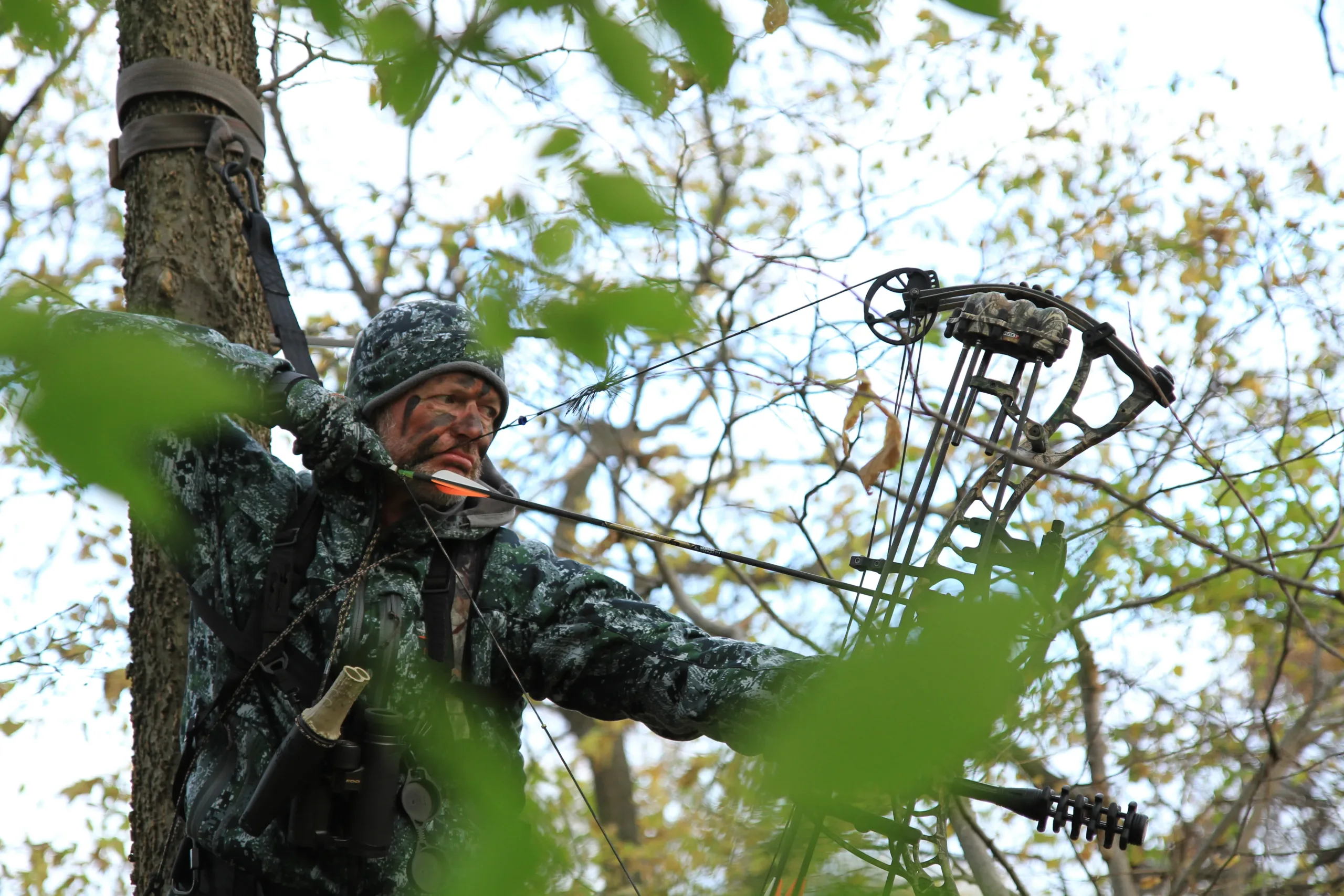
300,000 Arrows: A Lifetime of Bowhunting Practice
After four decades of practice, Bob Robb estimates he has shot more than 300,000 arrows. He looks back on the discipline, memories and physical toll of a lifetime behind the bow.
Read More about 300,000 Arrows: A Lifetime of Bowhunting Practice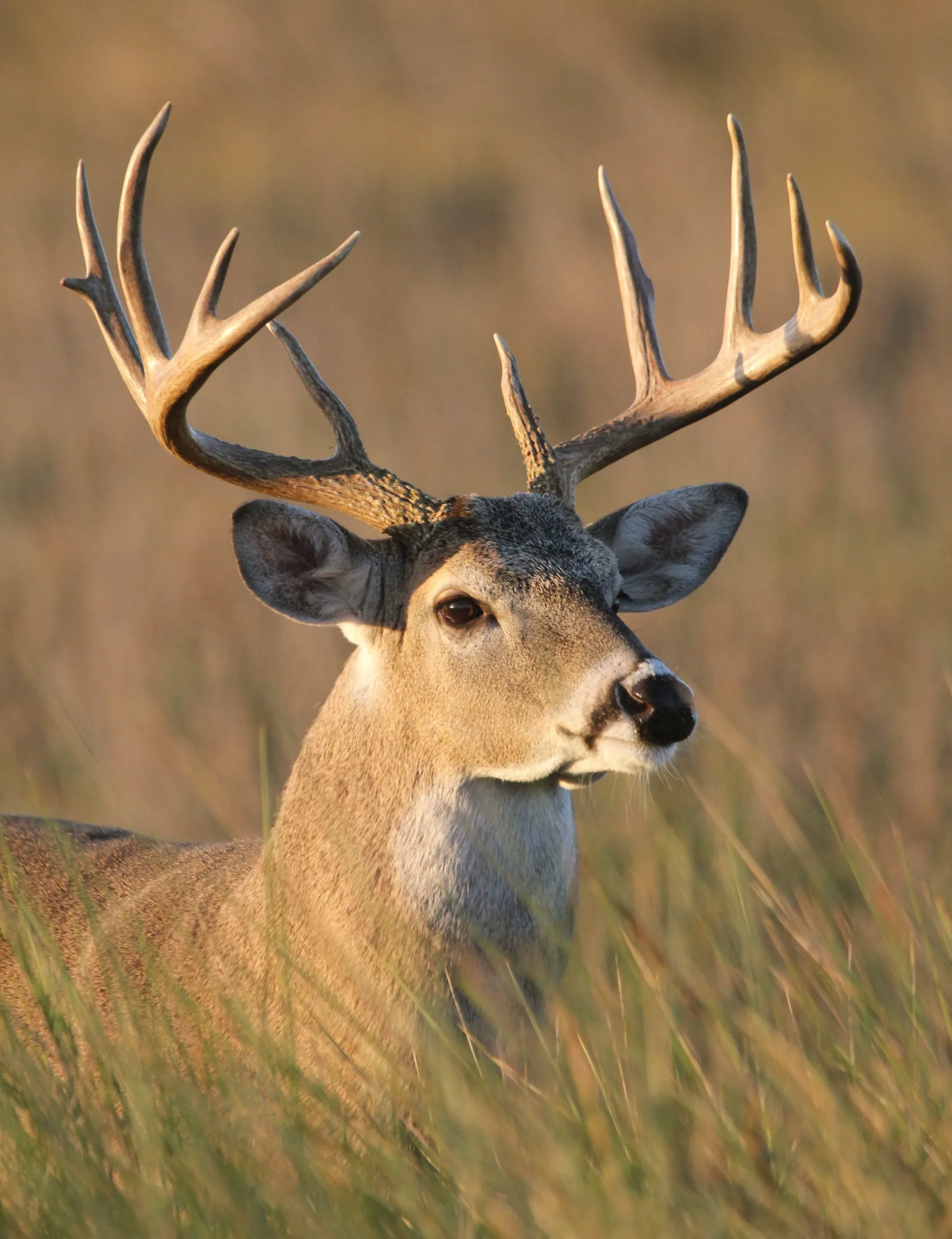
Real-World Big Bucks: How Age Changes Whitetail Antlers
How much can a buck change from a yearling to full maturity? Charles Alsheimer draws on decades of observing known-age whitetails to explore three different antler-growth patterns.
Read More about Real-World Big Bucks: How Age Changes Whitetail Antlers
American Hero: Army Veteran Tags a 203-Inch Oklahoma Giant
Brandon Neitzel had years of trail-camera history with a giant Oklahoma whitetail. One cell-camera photo convinced him to make his move, leading to a 7-yard shot at the 203-inch buck.
Read More about American Hero: Army Veteran Tags a 203-Inch Oklahoma Giant