
The Real Reason Why Deer Shed Their Antlers
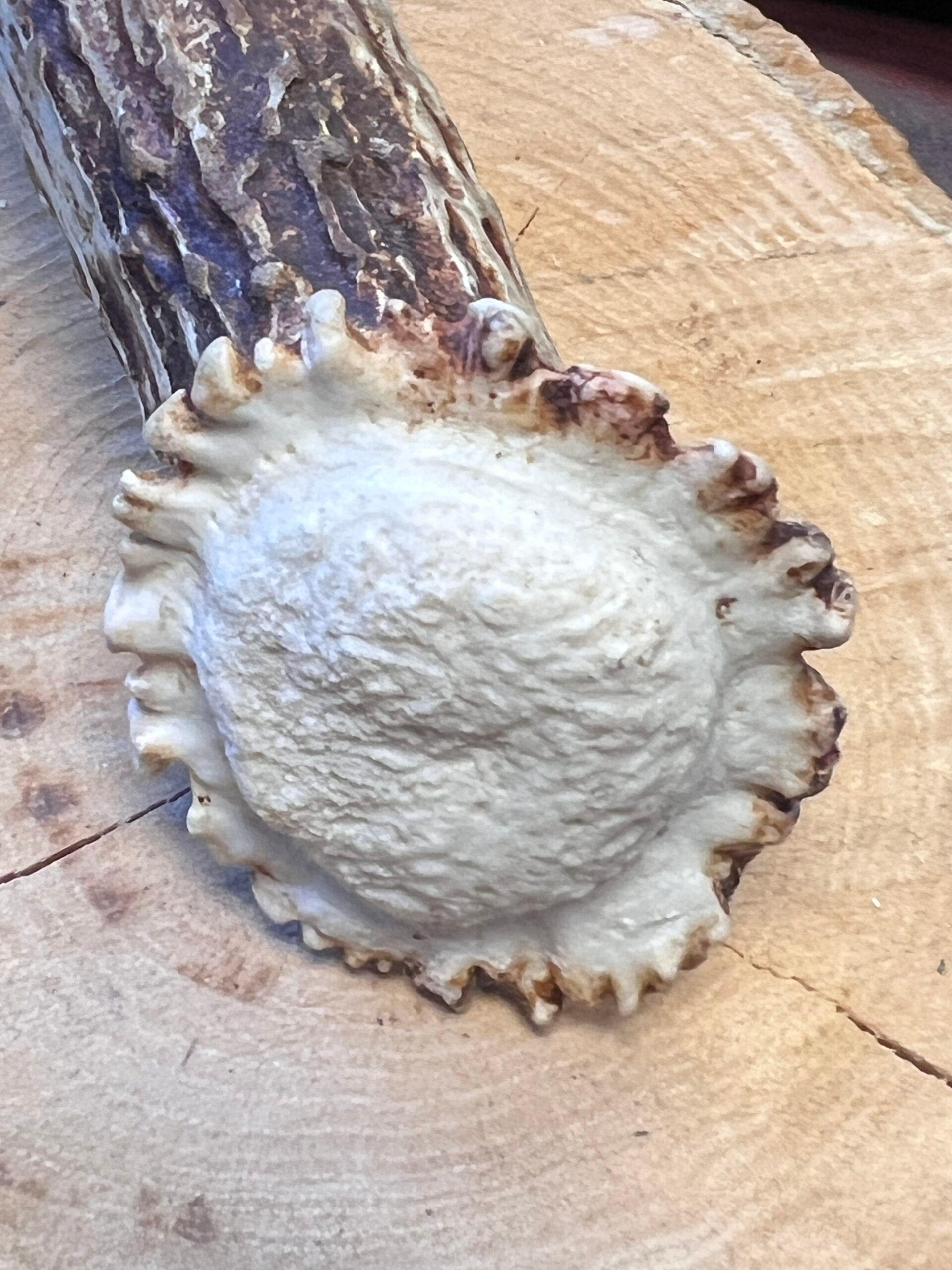
No doubt about it, antler shed hunting is nature’s Easter egg hunt. When the snow leaves the landscape, it pushes eager hunters and whitetail fanatics out to the woods in search of the bony crowns that eluded them last fall.
We all know that whitetail shed their antlers every year, but did you know that one simple living cell is responsible for our annual pilgrimage to find sheds?
What Causes Deer to Shed Their Antlers?
It’s true, and that cell is the osteoclast (Greek for “bone” and “Broken”). Osteoclasts are found on those mammalian surfaces of bone that are undergoing resorption. In whitetail bucks, they are found in great numbers in the shallow depressions of the pedicle bones.
There’s actually two “oesteos” that work to create and break down whitetail antlers.
Osteoclasts dissolve and break down old or damaged bone cells. They make space for osteoblasts to create new bone tissue in areas that are growing or need repair. If osteoblasts are builders, osteoclasts are your bones’ demolition crew. According to Cleveland Clinic, think of clasts as cleaners and blasts as builders.
When a buck’s testosterone levels drop significantly (usually between January and April), osteoclasts take over and cause the antler to fall off (“shed”). Osteoclasts are bone-resorbing cells (polykaryons) that dictate skeletal growth.
How Do Deer Shed Their Antlers?
The antler-shedding process is relatively quick, but it does take some time (days) for osteoclasts to weaken the bone connection enough for the antler to fall from the pedicle. Research has shown that small pieces of the skull can break off during the antler shedding process. When this happens, it usually results in an abnormality to the pedicle base and, hence, creates a health situation for a buck that the animal might never recover from. For example, an uneven break to the pedicle base typically causes nontypical antler growth in subsequent years. Some breeches in this pedicle formation will cause inferior antler growth for the rest of a buck’s life.
For these reasons (and more), hunters and landowners should refrain from building or placing “antler traps” on their properties. These traps are often baited and placed in areas where deer congregate in winter in hopes of having bucks entangle their tines in the contraptions and drop their antlers for easy collection.


Related Articles
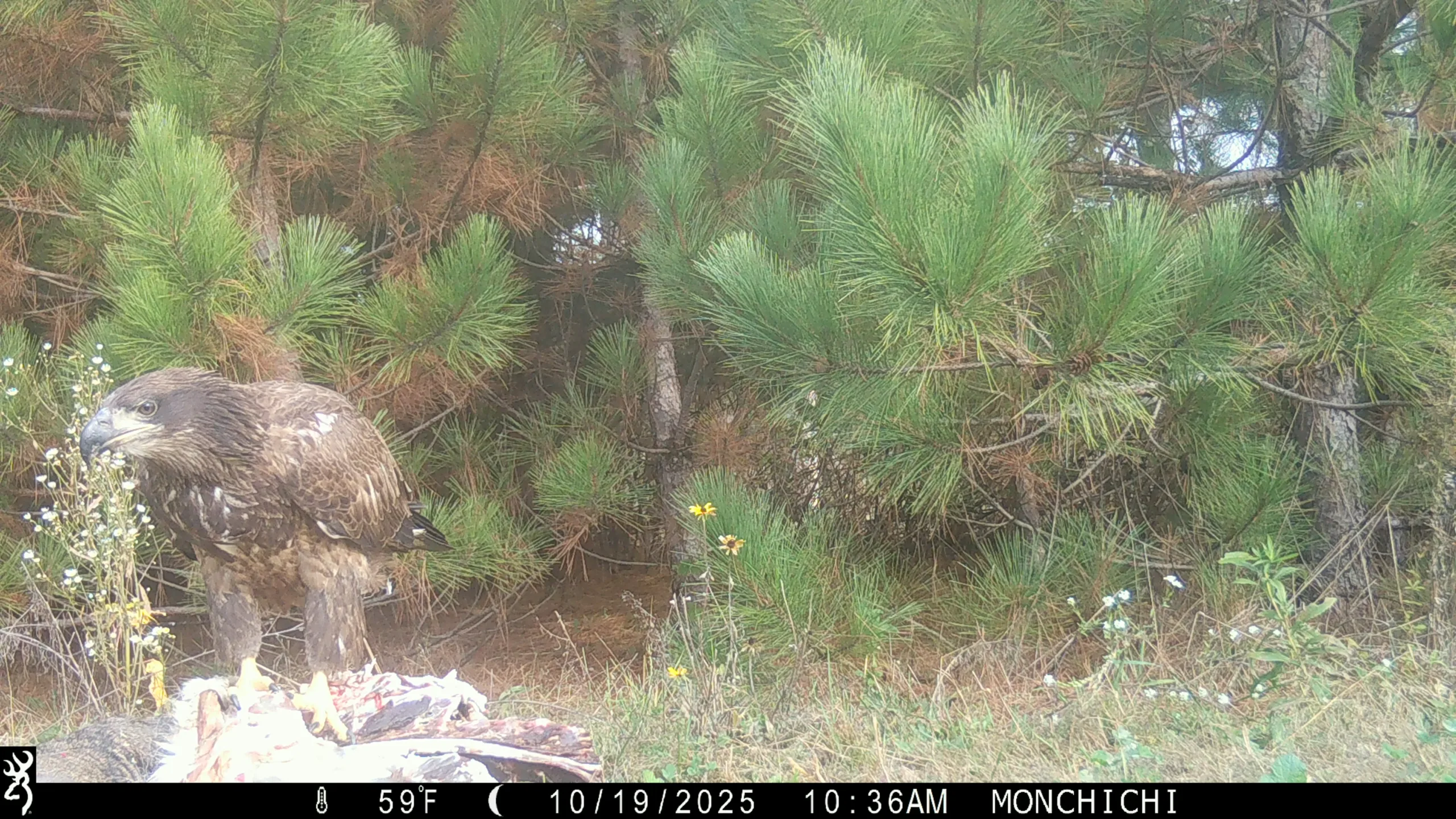
Deer Carcass Cleanup: What Wildlife Eats the Remains?
A harvested deer feeds more than the hunter’s family. From bald eagles and crows to coyotes and raccoons, discover the surprising variety of wildlife that benefits from deer remains.
Read More about Deer Carcass Cleanup: What Wildlife Eats the Remains?
Take Them With You
More than 50 years later, Daniel E. Schmidt still remembers the rabbit hunt his older brothers let him join — and the lesson that memory carries for hunters today.
Read More about Take Them With You
Sorry, But It’s Not a Bolt
It is time. Time to stop the bickering and childish rhetoric over a simple piece of equipment in the deer-hunting world. I’m specifically talking about the term “bolt” when referring to a crossbow projectile. The term was cute — and technically accurate — when it was coined generations ago. But it has long outlived its […]
Read More about Sorry, But It’s Not a Bolt