
What Is the Best Week to Hunt a Trophy Buck?
Editor’s Note: This Ron Willmore article sparked plenty of conversation when it was first published in Deer & Deer Hunting nearly 20 years ago. The tenets of his approach have remained remarkably accurate all these years later.
Want to start an instant argument among deer hunters? Ask them two questions.
The first: When is the best time to harvest a record-book buck?
The three most common responses from serious buck hunters will be during the pre-rut, rut or post-rut.
The second question: Specifically, what week is the best for harvesting a record-book buck?
The response to this question will typically be: any week in November.
The Breakdown
As a wildlife biologist for four decades, I was extremely fortunate to study rutting deer in some of the most elite whitetail terrains of the Midwest. My personal breakdown of categories for the principal stages of the rut are:
- The pre-rut of September and October.
- The initial chasing phase during the last week of October into the first week of November.
- The major breeding period, usually the first week to 10 days of November.
- The secondary chasing and breeding period, Nov. 10 to Nov. 17.
- The secondary post-rut, the last week to 10 days of November into December.
Some of these timeframes can overlap, but rut categorization by whitetail professionals during regionalized studies rarely varies much from these groupings.
The dime-a-dozen opinions from outdoor writers and television personalities about rutting phases usually confuse deer hunters who are simply trying to answer one question: When’s the best week to schedule my vacation?
The Right Week
For many of us, it often plays out like the old fishing cliché: “You should have been here last week!”
Though picking the right week each deer season will never be an exact science, the Pope & Young Club’s record book offers trophy hunters a leg up on this issue.
Of course, individual years can be greatly affected regionally by five key factors: weather, herd structure, hunting pressure, food availability and moon phase.
As this sociological, biological and climatic recipe changes each season, so does our often-modified guess of what is the best week.
The following information is based on one parameter only: the actual date a buck was killed. These results are taken from a Pope & Young database of more than 31,000 entries. Keep in mind, this article addresses 125-inch-plus typicals and 155-inch-plus nontypicals.
Looking at the month-by-month totals, the overwhelming majority of P&Y bucks in the database were killed in November: 54.5%. That’s no surprise for most avid trophy hunters. Another 30.4% were arrowed in October.
Together, 84.9% of the P&Y bucks represented in the data were taken during the first three phases of the rut outlined above.
When the data are narrowed down by week, the picture gets even more interesting.
The last week of October and the first and second weeks of November are the only weeks when the percentage of bucks killed reaches double digits. Collectively, 52.9% of the P&Y record-book bucks in the database were killed during this three-week period.
As a bowhunter of more than 40 years, I’ve always said, “If I only have one week to trophy hunt, it’s the few days on either side of Veterans Day, Nov. 11.”
The data support that theory, as the greatest percentage of P&Y bucks were taken between Nov. 8 and 14.
The Right Day?
Finally, I’m going to ask what is probably the most ridiculous question yet: For each month from September through January, what individual day produced the highest percentage of buck kills?
The original data showed Sept. 21 leading September, Oct. 31 leading October, Nov. 11 leading November, Dec. 1 leading December and Jan. 1 leading January.
And now for the greatest of all questions concerning buck harvest: In the entire data set, what day had the greatest kill percentage?
With 3.4% of all entries, Nov. 11 was the most productive day in the database. Nov. 7, 8, 9 and 10 were not far behind; each averaged about 3.2%.
When considering trophy bucks that qualified for both Pope & Young and Boone and Crockett, Nov. 11 again came out on top. The highest kill percentage for bucks qualifying for both record books was 5.6%, compared with 3.4% for the broader P&Y data set.
The peak for both was still the same day: Nov. 11.
Conclusion
Weather, herd structure, hunting pressure, food availability and moon phase certainly can affect daily, weekly and monthly buck activity.
However, based on these record-book results, I plan to spend every available moment from Nov. 8 to 14 in the woods each year.
READ MORE
- The Best Days to Hunt the Rut in 2025 (North)
- 7 Ways to Tag a Rutting Buck
- The Critical Timing of Whitetail Births

Related Articles
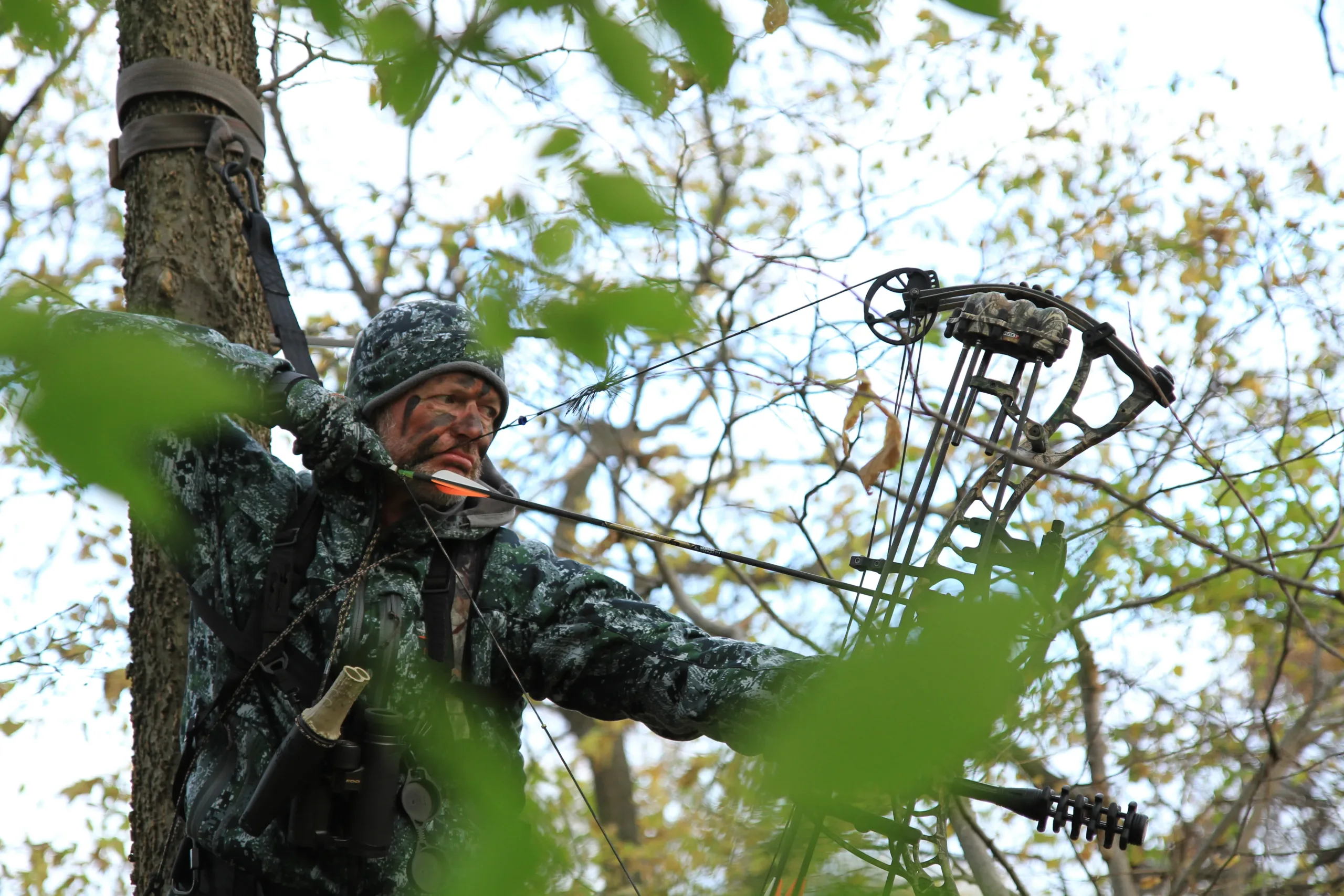
300,000 Arrows: A Lifetime of Bowhunting Practice
After four decades of practice, Bob Robb estimates he has shot more than 300,000 arrows. He looks back on the discipline, memories and physical toll of a lifetime behind the bow.
Read More about 300,000 Arrows: A Lifetime of Bowhunting Practice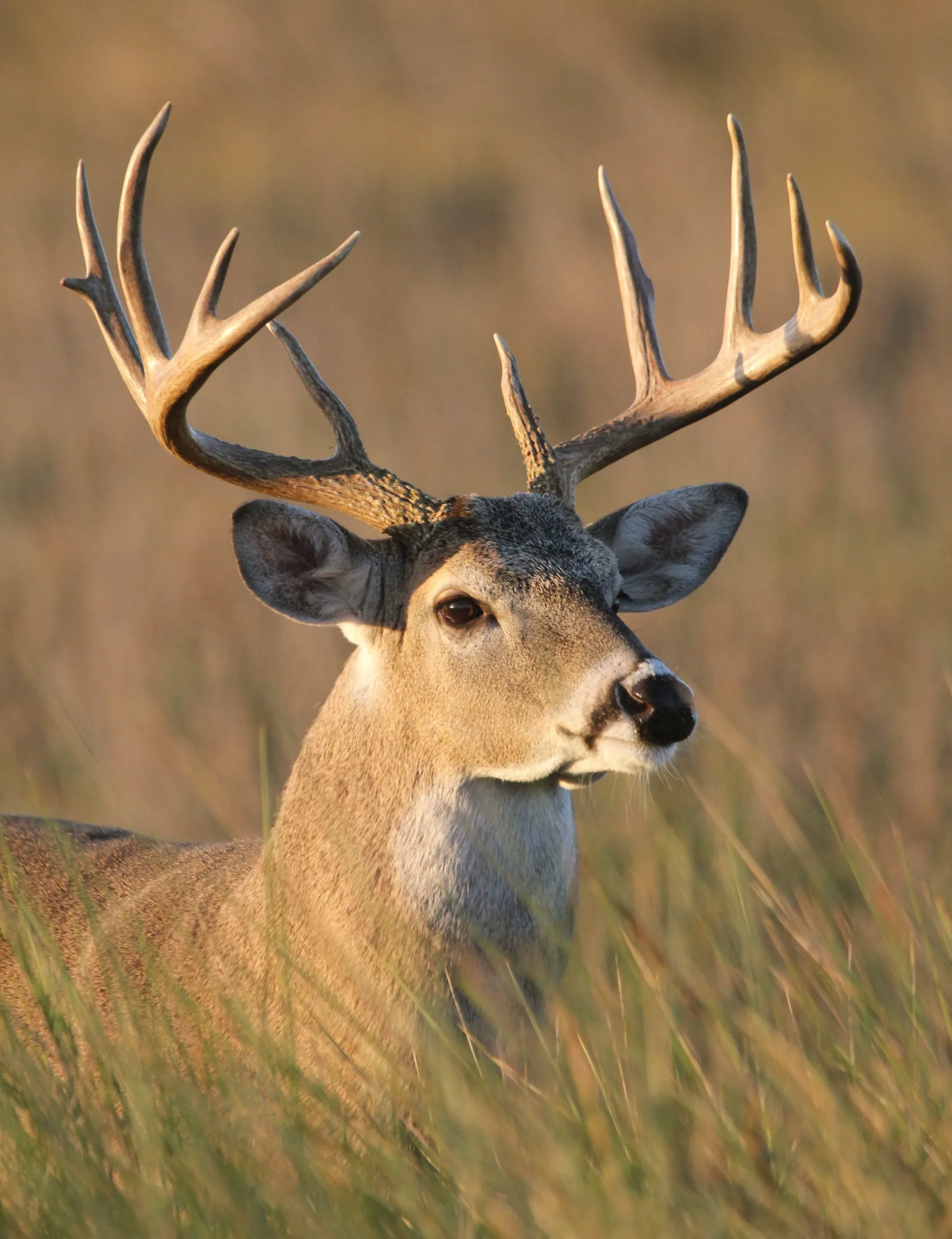
Real-World Big Bucks: How Age Changes Whitetail Antlers
How much can a buck change from a yearling to full maturity? Charles Alsheimer draws on decades of observing known-age whitetails to explore three different antler-growth patterns.
Read More about Real-World Big Bucks: How Age Changes Whitetail Antlers
American Hero: Army Veteran Tags a 203-Inch Oklahoma Giant
Brandon Neitzel had years of trail-camera history with a giant Oklahoma whitetail. One cell-camera photo convinced him to make his move, leading to a 7-yard shot at the 203-inch buck.
Read More about American Hero: Army Veteran Tags a 203-Inch Oklahoma Giant