
Wildlife Fleeing Isaac Floodwater Could Pose Risk
The Louisiana Department of Wildlife and Fisheries is advising the public to be alert for wildlife species forced into populated areas by flood waters resulting from Hurricane Isaac.
Rising waters can move wildlife from flooded habitat into adjacent residential and commercial areas where they may come into contact with residents. LDWF urges citizens to minimize contact with animals while they seek temporary refuge from their flooded home range.
Wild animals not posing a threat to humans should be left alone and should not be fed. Feeding wild animals will encourage those animals to remain in the vicinity of a new food source when they should be allowed to find natural habitat and food sources on their own.
Basic tips when encountering wildlife include:
— Avoid areas where displaced wildlife has taken refuge.
— Avoid interaction with and do not feed displaced wildlife.
— Reduce vehicle speed on roadways near flooded areas to avoid collisions with wildlife fleeing floodwaters.
Alligators, Snakes:
Flood waters will carry reptiles into populated areas where they may not normally be noted in significant numbers. Residents should exercise extreme caution when salvaging possessions from flooded areas. Wildlife, especially reptiles, may remain in flooded areas and pose a safety threat.
Poisonous snake species in Louisiana include the canebrake rattlesnake, the copperhead, the cottonmouth, the eastern diamondback rattlesnake, the harlequin coral snake, the pygmy rattlesnake and the Texas coral snake. For more information on snake species found in Louisiana, including frequently asked questions, visit LDWF’s website at this link: www.wlf.louisiana.gov/resource/snakes-louisiana.
Deer, Feral Hogs:
Deer and feral hog populations represent the two large quadruped species that may appear in populated areas in significant numbers as flood waters move wild animals out of natural habitat. As is the case with all wild animals, how these species will react to humans in close contact situations is unpredictable. LDWF recommends allowing these species, when sighted individually or in groups, to move unimpeded through flooded areas as they seek higher ground.
Black Bears:
The Louisiana black bear remains on the federal Threatened and Endangered Species List. Black bears are not common in the areas of the state impacted by Hurricane Issac flooding, but could be displaced from their preferred habitat by flooding.
For emergency situations involving alligators, black bears and deer that present an immediate threat to public safety, call 1-800-442-2511 for assistance.
Related Articles

Armed Poachers in Florida Could Lose Guns
Florida Attorney General James Uthmeier has announced legislation that would significantly increase penalties for poachers who discharge firearms near homes, occupied buildings, people, or critical infrastructure while illegally taking wildlife.
Read More about Armed Poachers in Florida Could Lose Guns
New At-Home Lyme Test Could Help Outdoorsmen Make Quicker Decisions
Called LymeAlert, the at-home test is designed to determine whether a removed tick carries the bacteria responsible for Lyme disease.
Read More about New At-Home Lyme Test Could Help Outdoorsmen Make Quicker Decisions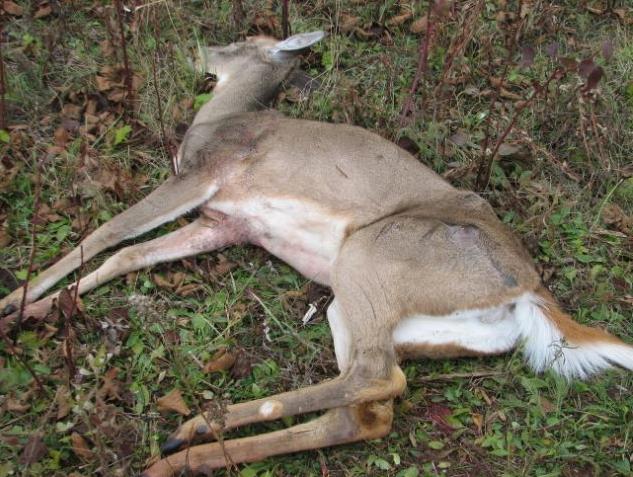
Man Charged with 50 Violations After Months-Long Poaching Investigation
Michigan man charged with 50 firearm and wildlife violations after allegedly shining and shooting deer from his vehicle for months.
Read More about Man Charged with 50 Violations After Months-Long Poaching Investigation