
Can Contraception Work to Control Deer? New York Town May Find Out
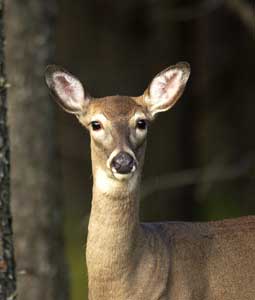
A town in New York is planning to try contraception in an effort to control its white-tailed deer population that has become a serious problem
Will it work? Who knows? Contraception has been touted and promoted by animal-rights activists and anti-hunters for years. The cost of such a widespread project often has been enough to make civic leaders cringe as badly as considering allowing hunting.
 But in Hastings-On-Hudson, a town about four miles from the Bronx border and not far from New York City, they’re ready to give the contraception project a try. The New York Times reported Sunday that Mayor Peter Swiderski made the deer problem a campaign promise and now he’s trying to fulfill it.
Hunting wasn’t a viable option due to the population of humans. The Times said another proposal of trapping deer and killing them with a “captive bolt” to the head like in slaugherhouses on livestock elicited howls of anger. Swiderski was taking heat from numerous sides about the options, which included contraception.
They’ll use a vaccine that includes porcine zona pellucida taken from pigs’ ovaries. It prevents pregnancy by disrupting the immune system of an animal that ingests it. Swiderski and Hastings-On-Hudson residents hope it works. The city will be working with Tufts University’s Center for Animals and Public Policy.
“It’s brilliant,” Dr. Allen T. Rutberg, the center’s director, told The Times. “It works on a lot of animals, even elephants.”
Deer hunting with firearms is prohibited in the city and county. Archery and crossbow hunting has become popular in cities with deer problems through urban hunting programs, most of which are strictly regulated and supervised by city officials in conjunction with state wildlife agencies. Hastings-On-Hudson officials didn’t believe that would be viable, either, due to the number of residents in the city and county.
Rutberg has had success with other deer populations in enclosures. But Westchester County and Hastings-On-Hudson is not fenced; highways and the Hudson River may contain some deer, but they are not completely limited in their movements.
“Hastings will be challenging,” Dr. Rutberg told The Times. “From a research perspective, islands make good subjects because you have some control over what goes on there. But if we really want to see if it will work in contexts where it matters, then we need more open communities, and Hastings will be the first one. The success of the project will depend at least as much on the deer as on us.”
Rutberg said New York state wildlife officials are skeptical about the project because the deer can move and others may move into the city.
Check out the full story here.
Related Articles

Armed Poachers in Florida Could Lose Guns
Florida Attorney General James Uthmeier has announced legislation that would significantly increase penalties for poachers who discharge firearms near homes, occupied buildings, people, or critical infrastructure while illegally taking wildlife.
Read More about Armed Poachers in Florida Could Lose Guns
New At-Home Lyme Test Could Help Outdoorsmen Make Quicker Decisions
Called LymeAlert, the at-home test is designed to determine whether a removed tick carries the bacteria responsible for Lyme disease.
Read More about New At-Home Lyme Test Could Help Outdoorsmen Make Quicker Decisions
Man Charged with 50 Violations After Months-Long Poaching Investigation
Michigan man charged with 50 firearm and wildlife violations after allegedly shining and shooting deer from his vehicle for months.
Read More about Man Charged with 50 Violations After Months-Long Poaching Investigation