Deer & Deer Hunting

Dan Schmidt Deer Blog - Whitetail Wisdom

Subscribe to the Whitetail Wisdom RSS feed Feed your whitetail passion and broaden your knowledge with the insights, advice, tips, tactics and honest commentary from white-tailed deer expert, D&DH Editor-in-Chief Dan Schmidt.
What’s the Best Weather for Deer Hunting?
Dan Schmidt Deer Blog - Whitetail Wisdom

What’s the Best Weather for Deer Hunting?

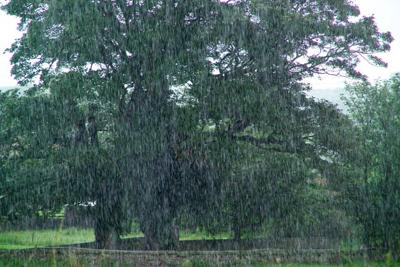
Most states offer early archery seasons and in recent years these seasons have featured unseasonably warm weather. Temperatures in the 40s and highs in the 60s might make for comfortable tree-stand vigils, such temperatures literally shutdown daytime deer activity. In fact, the weather’s influence on deer activity has been scientifically documented as a major suppressor/stimulator […]

Read More about What’s the Best Weather for Deer Hunting?
Dan Schmidt Deer Blog - Whitetail Wisdom

Lumpy Jaw is a Common Oddity Among Deer

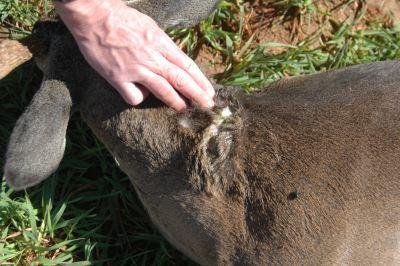
Each year, the Deer & Deer Hunting editorial offices receive hundreds of inquiries from hunters who have shot wild, weird and downright wacky-looking whitetails. And, in all of the years that I’ve helped answer your questions, I’ve seen dozens of photos of deer with a condition biologists call “lumpy jaw.” I had never seen this malady up close until I shot this doe with my muzzleloader in Missouri. According to our state agency contacts in Maryland, this condition actually starts off as a viral infection. The MDNR reports, “The adult arterial nematode worm lives primarily in the deer’s carotid arteries. High worm infestations reduce blood flow, which causes partial paralysis of the deer’s jaw muscles. Food becomes impacted inside the deer’s mouth due to the jaw muscle paralysis. The food impaction causes the “lumpy jaw” appearance. The common horsefly passes the nematode larvae from an infected deer to an uninfected one by feeding on deer blood. Infection rates are not high enough to impact deer populations and no human health implication has been reported.” Word of caution: Deer that have “lumpy jaw” emit an incredibly foul odor from their mouths. In other words, don’t spend too much time photographing at close range like I did. Gag reflex, big time.

Read More about Lumpy Jaw is a Common Oddity Among Deer
Dan Schmidt Deer Blog - Whitetail Wisdom

Whitetail Antlers: The Hole Truth

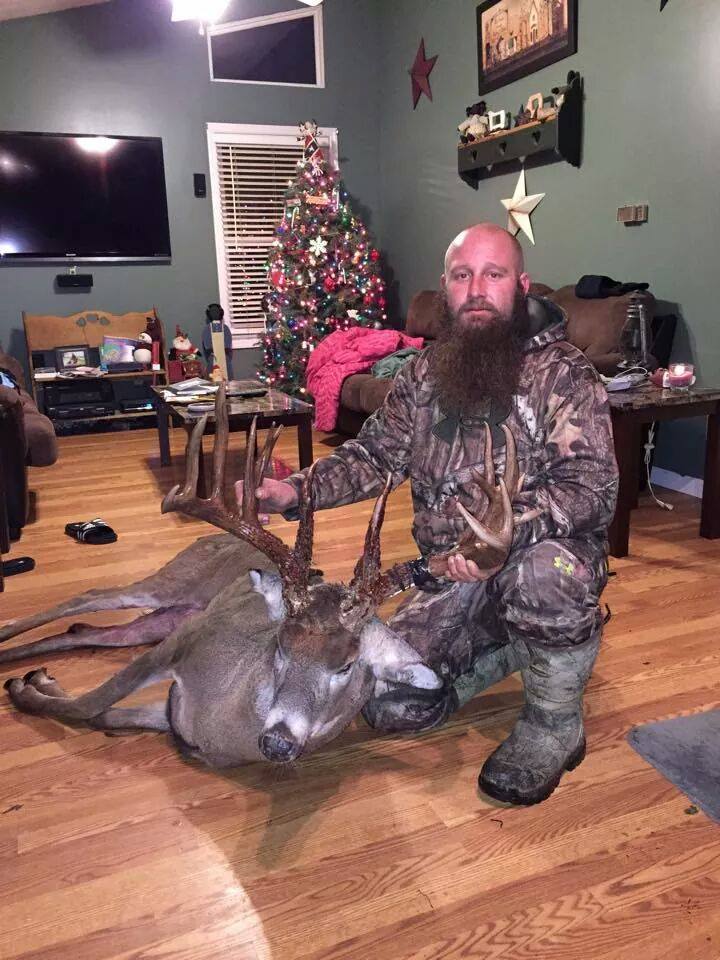
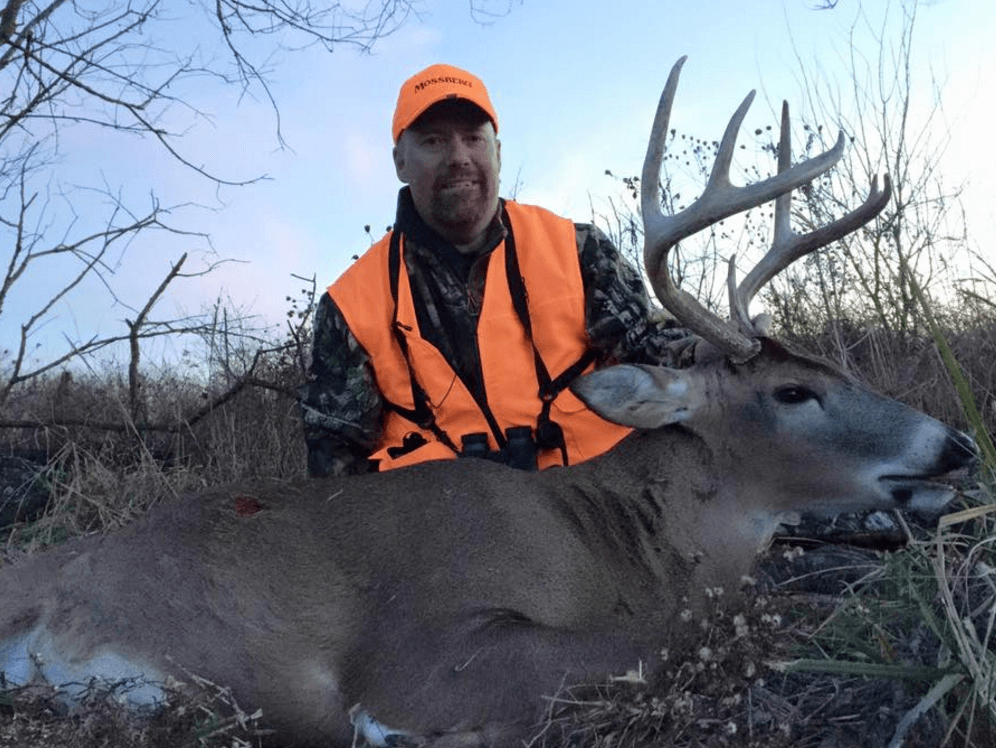
Have you ever seen a whitetail rack that has a hole in it similar to the one in this photo? When Deer & Deer Hunting forum contributor Mark Schrock shared this photo of a buck he killed last fall, the first thing I noticed was the hole in its main beam. These holes are actually quite common in the racks of mature deer. How does this happen? Well, it can happen from various causes. The two most common causes for holes in antlers are via a burst blood vessel and through the work of parasites. Burst blood vessels are less common. Most holes you see in antlers are from the work of the botfly larvae, which starts as an internal parasite. Parasites thrive easily on easily accessible food. That’s why it’s not unusual for a buck’s antlers to become the host of warbles (botflies). Botflies are any of a variety of stout-bodied, hairy dipterous flies of the families Oestridae and Gasterophilidae. The larvae are parasites of humans and cervids, like sheep and deer. According to Charles Alsheimer, and contrary to popular opinion, the botfly does not burrow into the velvet antler to lay its eggs. Instead, the parasite infects the host’s intestinal tract; where it incubates. The parasite eventually makes its way through the bloodstream and, in the case of a white-tailed buck, eventually resides in the fast-growing velvet antler. The larvae feeds off of the nutrient rich bloodstream and burrows its way out of the antler before it hardens and peels, leaving behind a smooth cavity. Yes, it’s all kind of nasty and gross, but it doesn’t harm the deer — another testament to the amazing properties of whitetail antlers. What about Mark’s buck? Well, that’s even more amazing. When Mark posted his photo, he wrote this: “This is my first buck! It scored 171 inches before deductions.” That’s incredible, Mark. Way to go!

Read More about Whitetail Antlers: The Hole Truth