Want more rut activity on your property? Build your strategy around doe groups, secure bedding, food, water, sanctuaries and reduced hunting pressure.


Want more rut activity on your property? Build your strategy around doe groups, secure bedding, food, water, sanctuaries and reduced hunting pressure.

Inside corners, funnels, saddles and edges can reveal how deer naturally move through a property. Learn how to identify these terrain features and use them to choose better stand locations.

Getting mature bucks into a food plot takes more than planting good forage. Learn how pressure, location, cover, travel routes and food selection can improve daylight use and keep bucks coming back.

The October issue of The Trapper contained a printing error that omitted the conclusion of Dr. Stephen Ditchkoff’s article “Rut Realities.” Read the complete ending and learn how buck age structure and herd management influence the rut.

Steve Bartylla has achieved far more in the outdoors than he ever dreamed. Guess who he credits for most everything he’s experienced?
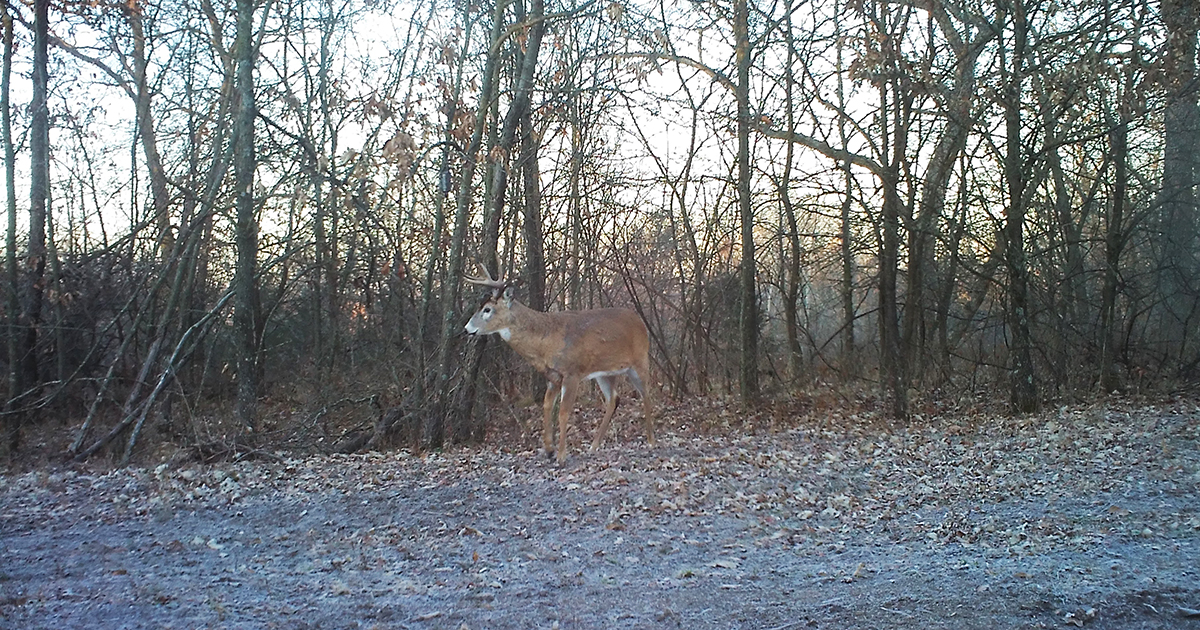
These five habitat-related differences should be impacting how you hunt that area very significantly, if not completely dictating it.

When mother nature strikes, it affects deer’s food, bedding and cover. Find out what happens in the aftermath of a storm. Deer Talk Now. Season 8. Episode 26.
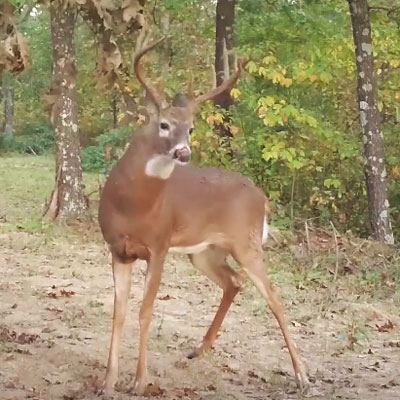
Deer habitat improvement projects can sound overwhelming at the beginning. But, the small steps explained today will help your land get a head start on the path to success.

If your deer habitat management goal is to grow big bucks, try to keep the expectations realistic for the area and the situation. Every property is different and there are many factors that come into play.

It’s a huge myth that you need large amounts of money and land to improve your deer habitat. Nothing could be further from the truth. Here are seven cheap ways to improve your hunting land.