Deer movement doesn’t simply shut down in October — it changes. Tom Carpenter shares seven ways to adjust your hunting strategy and capitalize on the so-called October lull.


Deer movement doesn’t simply shut down in October — it changes. Tom Carpenter shares seven ways to adjust your hunting strategy and capitalize on the so-called October lull.

When hunters evaluate buck genetics, they often focus on the sire. But the doe, nutrition and environmental conditions can all play major roles in how a whitetail buck’s antlers develop.

Inside corners, funnels, saddles and edges can reveal how deer naturally move through a property. Learn how to identify these terrain features and use them to choose better stand locations.

In this classic Deer & Deer Hunting article, the late Charles J. Alsheimer explains how genetics, nutrition, management and age come together to produce truly top-end whitetails.

As the rut approaches, rising testosterone transforms whitetail buck behavior. See what changes from September through November.

A deer’s nose can end a hunt before it starts. Here’s why rubber boots for deer hunting can help reduce odor, manage moisture and strengthen your scent-control routine.

A deer decoy can provide the visual confirmation a curious or rutting buck needs to close the distance. Learn how to choose, position and use deer decoys effectively throughout the season.

The October issue of The Trapper contained a printing error that omitted the conclusion of Dr. Stephen Ditchkoff’s article “Rut Realities.” Read the complete ending and learn how buck age structure and herd management influence the rut.

Much of the patterning that “experts” do is impossible. That said, deer are patterned every year by real-world hunters. Here’s how they do it.
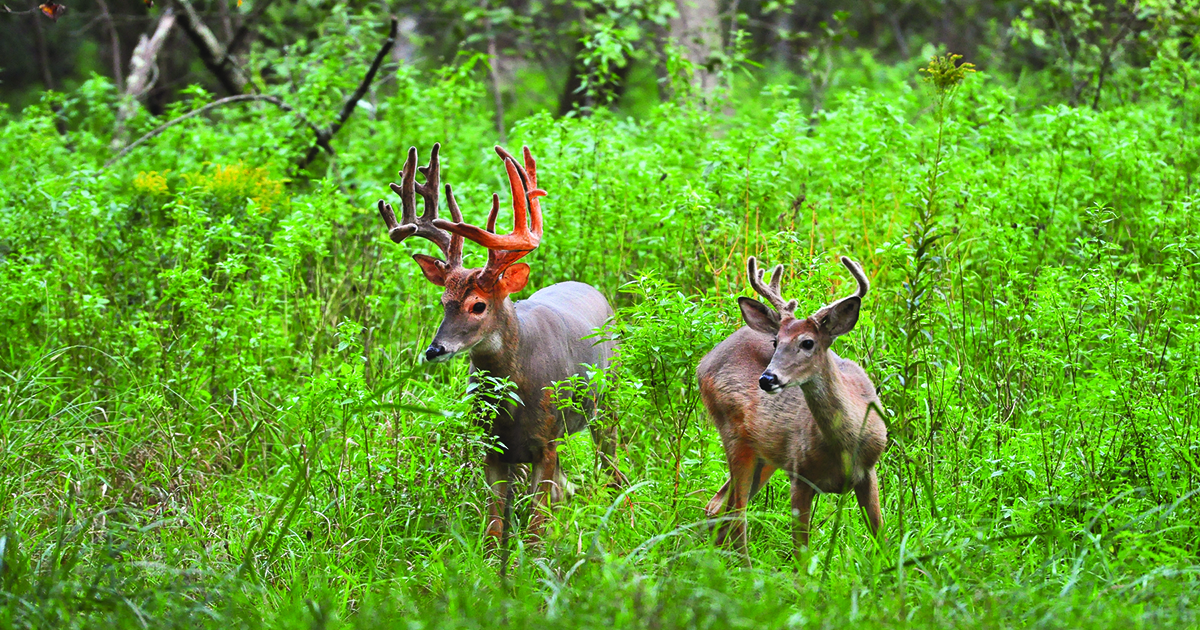
Are you making these seven mistakes when it comes to deer hunting land management? See Steve Bartylla’s tips on managing prime deer dirt.