
Alsheimer: Deer Antler Velvet – Big Bucks Are Losing It!
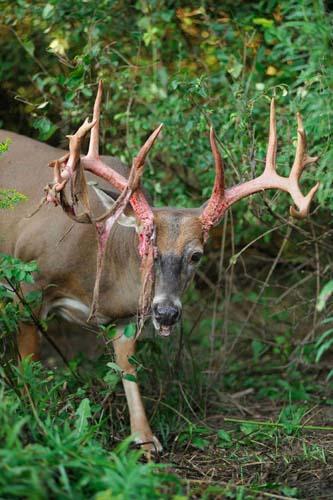

Over the next two weeks northern whitetail enthusiasts will be in position to witness one of the most amazing sights in nature, the peeling of velvet from a buck’s antlers.
When bucks peel velvet from their antlers the process can take anywhere from an hour to several days to complete. Outside of a fight-to-the-death with another buck, the velvet peeling process is one of the most stressful things a buck experiences. I’ve witnessed the process many times in my career and the calories that a buck burns is amazing. It is highly dramatic as the buck thrashes its antlers against brush and small saplings. If the peel is complete within 1-2 hours the buck is completely exhausted.
An amazing aspect of velvet peel is that most bucks will eat the bloody velvet if they can find it. The velvet does contain a large amount of protein. But, the most common belief as to the cause of this behavior is that it’s a way to keep from attracting predators that would be drawn to the scent of blood and decaying velvet.
Once bucks peel their velvet, they often expand their territory and begin making some of the first rubs and scrapes of the season, as the days grow shorter and further away from the daily patterns of summer living.
– Charlie

Smokey’s Preorbital Gland Lure
Get the attention of the bucks in your area with Smokey’s Preorbital Gland Lure. Recent research proves that the licking branch is the No. 1 key to success when hunting a mock scrape. Furthermore, the key to that licking branch is preorbital scent. Bucks secrete this scent as a means of distinctly identifying themselves from the “competition.” Bucks regularly visit licking branches and become aware when a new rival shows up — the licking branch has the scent of a guy they don’t know.
For the first time ever, preorbital lure is available to the general public and now can be yours! Each bottle contains matching glands from individual bucks and comes in a 1.25oz bottle.
Related Articles
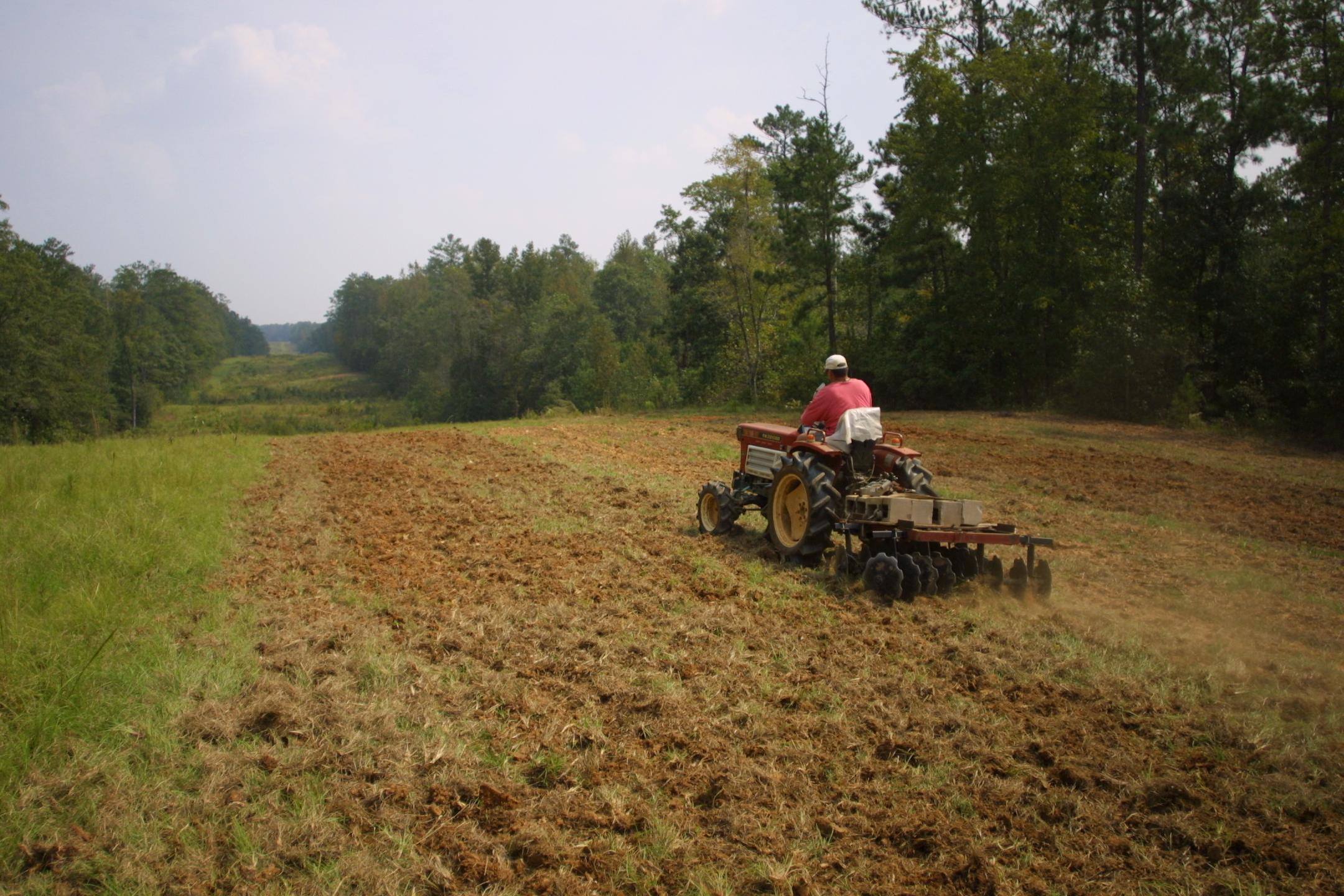
Simple Food Plot Sizes and Forage Choices
If you can only plant food plots of an acre or less, put half in clover for warm-season feed and half into a cereal grain such as oats or winter wheat, or a tuber, such as radishes or turnips. If your soil has a pH of 6 or higher, clover offerings will thrive, providing you […]
Read More about Simple Food Plot Sizes and Forage ChoicesAlsheimer: Deer Get Through Winter by Browsing Natural Foods
Winter takes a heavy toll on the white-tailed deer, especially in the snow belts of North America. North of the 38th latitude (Virginia north), food can be tough to come by, especially if food plots and agriculture crops are not available. In such settings, whitetails must rely heavily on natural foods. In my area […]
Read More about Alsheimer: Deer Get Through Winter by Browsing Natural Foods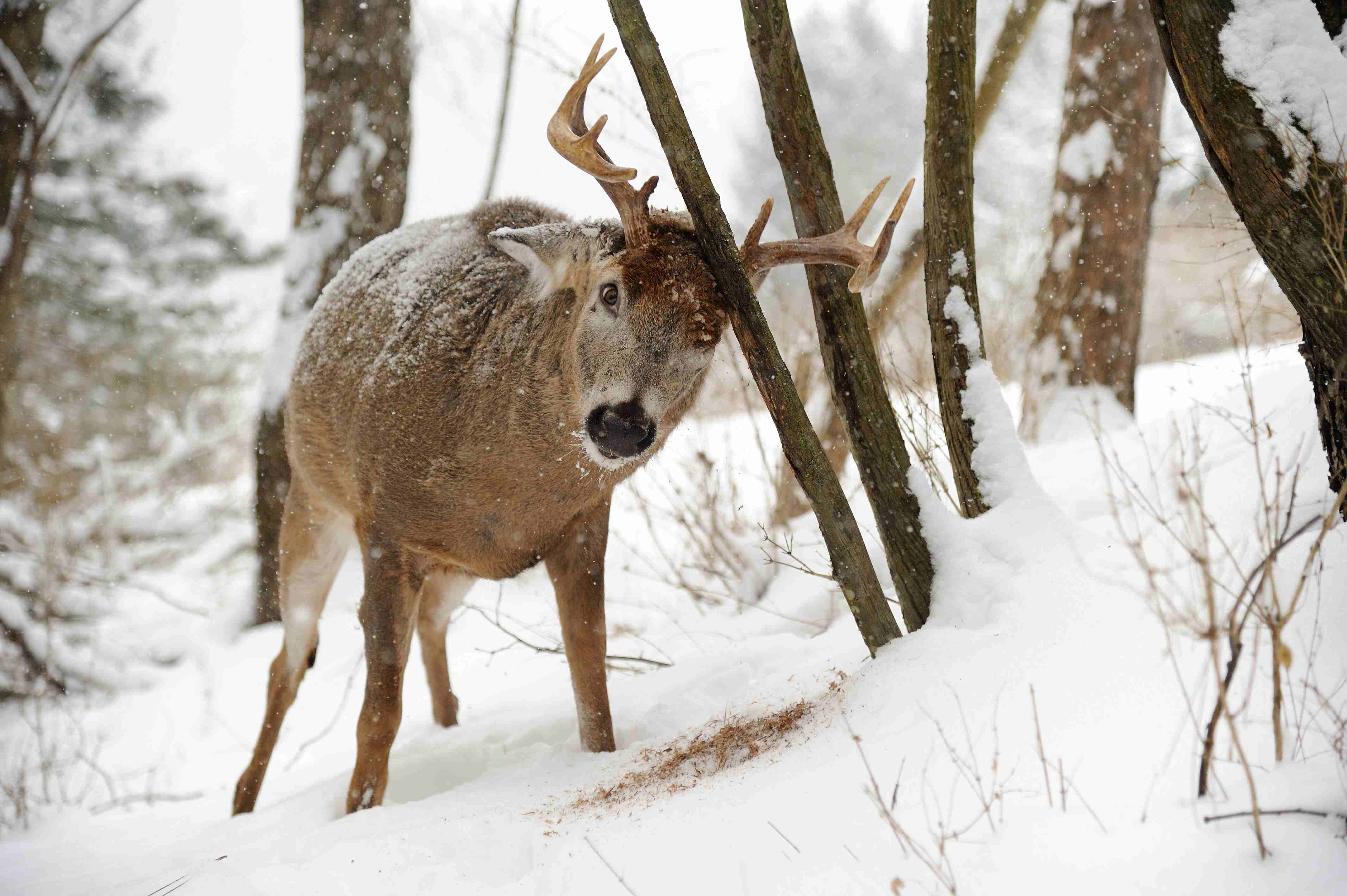
Alsheimer: Buck Rubs Continue in Winter
I was recently sent an email that described some of the deer behavior the writer was seeing now that his northern deer season is over. In it he was wondering why he was now seeing a number of fresh rubs in his hunting area. For starters whitetail rutting behavior does not end when peak breeding […]
Read More about Alsheimer: Buck Rubs Continue in Winter