
4 Deer Scent Myths That Can Cost You a Buck
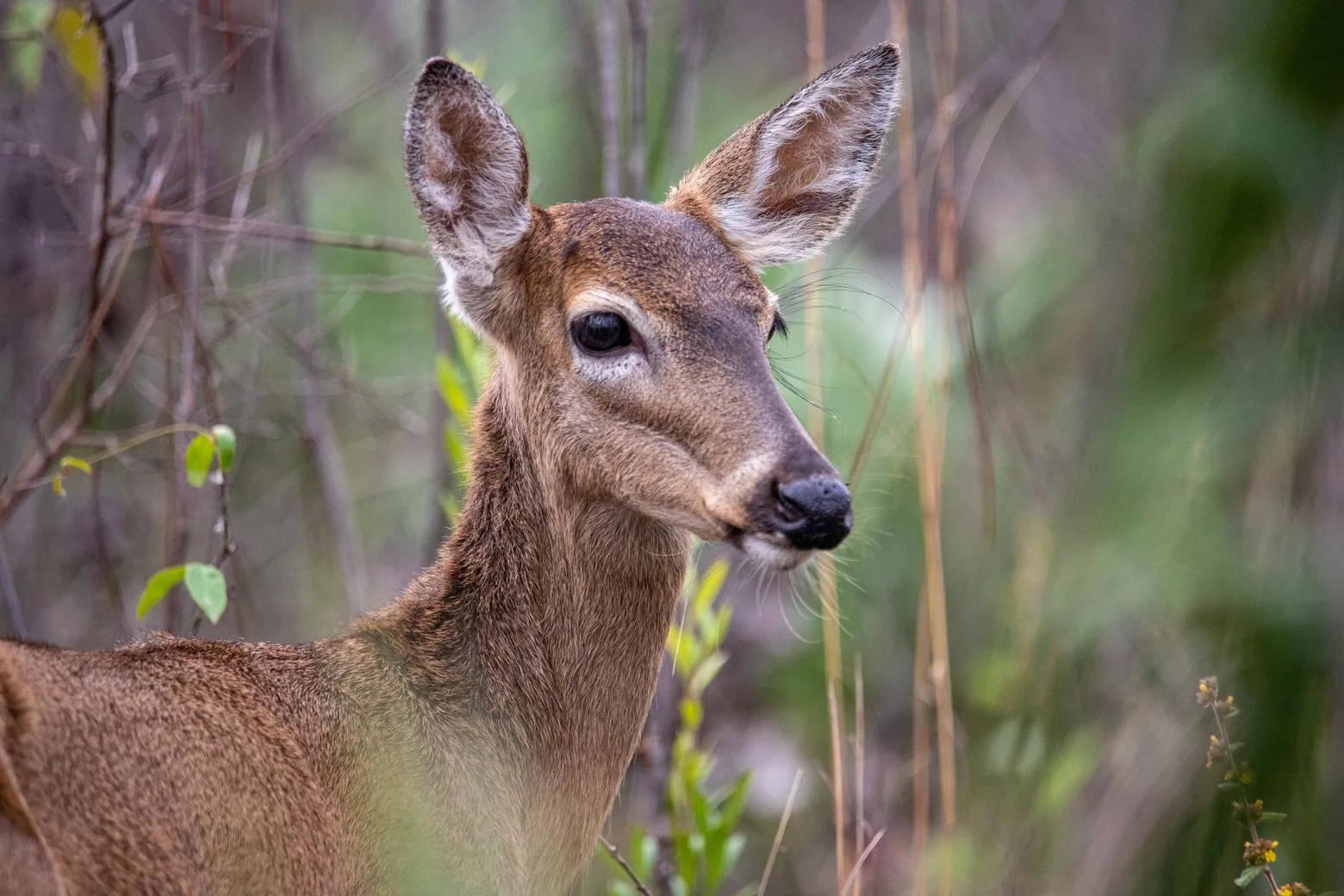
If you’ve followed any of these steadfast scent-control rules, changing how you view a whitetail’s scent world could improve your odds this fall.
Deer scent myths have been passed around hunting camps for generations. Some contain a grain of truth. Others can make a hunter overconfident, careless or too quick to write off a hunt. Whitetails are not quite as mysterious as they once seemed, but their ability to use scent remains one of the biggest challenges deer hunters face.
Seasoned hunters eventually start seeing the same survival tricks repeated. No one completely masters the whitetail, but experience can expose a few beliefs that make hunting harder than it needs to be.
Consider this a crash course in four of the most persistent scent myths — the “foolish four” — and what hunters should understand instead.
Why Deer Scent Myths Matter
A whitetail lives in a world heavily influenced by odor. According to the University of Missouri Extension, deer rely on their keen sense of smell to detect danger, identify other animals and locate food. Scent also plays an important role in deer-to-deer communication.
That means scent control is not simply about spraying down before walking to the stand. Wind, terrain, access routes, clothing, equipment and the odors hunters carry into the woods all become part of the equation.

Myth No. 1: Just Play the Wind
Playing the wind is important, but simply setting up downwind of a trail or buck sign will not consistently fool a deer’s nose. That is one reason hunters still get winded even when the forecast appears favorable.
Few variables in deer hunting are as fickle as moving air. Even on a day with a generally consistent prevailing wind, terrain, vegetation, thermals, backdrafts and eddies can change where human scent actually travels.
Before a hunter can truly harness the wind, it helps to visualize it.
One useful way to think about airflow is to imagine wind behaving like water. Water changes direction when it encounters rocks, banks, bends and other obstructions. Air can behave similarly as it interacts with ridges, draws, timber edges and abrupt changes in terrain.
A stand can look perfect on a map and still be a poor choice if surrounding terrain creates turbulent air.
Consider a wooded parcel with two main draws: one running north to south and another running east to west. With a north wind, the north-south draw may allow air to travel more directly through the terrain. The east-west draw can be more vulnerable to swirling and back-eddies depending on topography and thermal conditions.
The Missouri Department of Conservation likewise advises hunters that winds are generally more consistent on ridgetops, while valleys and drainages can create swirling air as prevailing winds interact with thermals. The agency recommends spending time on hunting ground before the season to understand how wind changes throughout the day.
That does not mean a north-south draw will always be safe or an east-west draw will always be bad. The lesson is to judge what the wind is actually doing at the stand rather than relying only on the arrow displayed in a weather app.
Mature bucks can also use the wind to their own advantage, particularly when checking cover or doe concentrations. That makes stand placement and access every bit as important as the forecast. For another look at how wind affects rut setups, see 7 Ways to Tag a Rutting Buck.
Monitor the wind, understand the terrain and go with the flow — but do not assume that “playing the wind” means simply sitting downwind and forgetting about scent.
Myth No. 2: Wilderness Whitetails Aren’t Afraid of Human Scent
Dave Westmoreland, a sales representative in the hunting industry, shared an experience that underscores the importance of scent control.
An avid hunter who often entertains clients, Westmoreland recalled a bowhunt over bait in northern Saskatchewan that taught him a valuable lesson: Never underestimate a whitetail’s nose.
“It was a well-planned setup,” he recalled. “The outfitter had guided many clients to success and knew his craft. He claimed wilderness whitetails weren’t wary of humans, so I got a bit careless with my scent-control routine on the first day.”
The stand was positioned so the wind carried Westmoreland’s scent toward the bait. Throughout the day, he heard deer blowing but did not see a single doe or buck, despite the area producing numerous sightings during the previous week.
The next morning, he checked the wind, requested a different stand that worked better with it and tightened his scent-control measures.
The result? He arrowed a nice 10-pointer that approached the bait on a quartering wind and behaved every bit as cautiously as heavily hunted deer he had encountered elsewhere.
The takeaway is bigger than one hunt. A deer does not need to understand what a human is or how much hunting pressure exists nearby to recognize an unfamiliar odor as potential danger.
A related belief suggests suburban deer eventually become indifferent to human scent because they encounter people every day. They may tolerate predictable human activity differently than truly wild deer, but that does not mean every human odor, location or movement is automatically accepted as harmless.

Myth No. 3: A Whitetail’s Sense of Smell Is Overrated
A hunter should neither overestimate nor underestimate a whitetail’s nose.
Overestimate it, and you might convince yourself that hunting a particular setup is hopeless. Underestimate it, and a careless shortcut can ruin an otherwise excellent hunt.
What is well established is that whitetails possess a keen sense of smell and depend heavily on scent information. Deer use odor to detect danger, identify other animals and locate food. They also communicate chemically through urine and glandular secretions.
For hunters, the important point is not an impressive-sounding receptor count or a comparison with the human nose. It is what deer can do with scent information.
A buck can use scent while searching for receptive does. Deer can identify the presence of other animals. And when a hunter’s odor reaches a whitetail, that information can reveal danger long before the hunter ever moves enough to be seen or makes enough noise to be heard.
This is why seemingly minor mistakes — touching vegetation with bare hands, wearing hunting clothing while pumping gas, contaminating boots or approaching a stand from the wrong direction — deserve attention.
Recent DDH coverage makes the same point: when checking funnels, hanging cameras or entering hunting ground, hunters should take steps to keep their presence under the radar. See Don’t Underestimate a Whitetail’s Ability to Smell You.

Myth No. 4: It’s Impossible to Fool a Whitetail’s Nose
Can a hunter stop smelling like a human?
Not completely. But that does not make scent control useless.
The better way to think about scent control is as reduction, not invisibility.
Human scent is not one single odor. Sweat, skin, breath, clothing, footwear, equipment and the environments we move through all contribute odors to the scent plume that follows us into the woods. Add gasoline, breakfast, cigarette smoke, household detergents, pets or the inside of a truck, and there are even more opportunities to carry foreign odors into a hunting area.
Scent-control products, odor-reducing laundry routines and specialized clothing can help reduce some of that odor. They do not create a magic force field around the hunter.
The Missouri Department of Conservation puts it plainly: scent-control products can reduce human odors, but there is no substitute for using the wind to your advantage.
That is the real answer to the scent-control debate. Do both.
Keep hunting clothing clean. Store it away from strong household and vehicle odors. Pay attention to boots, gloves, packs, safety harnesses and the other equipment that travels into the woods. Avoid unnecessary contamination along your entry route. If odor-reduction products are part of your routine, use them consistently rather than treating one spray at the truck as the entire strategy.
For a deeper look at the small places hunters often overlook, see 3 Overlooked Spots That Need Scent Elimination When Hunting.
Then hunt the wind anyway.
Reducing the amount of human odor reaching a deer may give a hunter an advantage when conditions are less than perfect. It should never become an excuse to ignore airflow, thermals or stand access.
Leave These Deer Scent Myths Behind
These four deer scent myths persist because every hunter has stories that seem to prove or disprove them. One buck walks directly downwind without reacting, while another blows and disappears before the hunter ever knew it was there.
There is no scent-control routine that guarantees a whitetail will never detect you, and there is no wind strategy that eliminates every swirl, thermal or unexpected change in airflow.
The better approach is to stack the odds.
Understand how terrain affects the wind. Treat wilderness and suburban deer as animals capable of detecting human odor. Respect what a whitetail can learn through scent. Reduce unnecessary human odor wherever practical. Then build every stand setup and access route around keeping that remaining scent away from the deer you hope to hunt.
You may never completely beat a whitetail’s nose. But abandoning bad assumptions can make it much harder for that nose to beat you.
Read More From Deer & Deer Hunting
Are You Obsessed With Scent Control? Read This (Part 2)
A complete scent-control routine goes well beyond spraying down at the truck. Here are practical ways to manage clothing, storage, transportation and hunting gear.
Don’t Underestimate a Whitetail’s Ability to Smell You
Human scent matters whether you’re hanging cameras, scouting funnels or slipping into a stand.
3 Overlooked Spots That Need Scent Elimination When Hunting
Some of the easiest places to contaminate with human odor are also some of the easiest to forget.
7 Ways to Tag a Rutting Buck
Wind, doe bedding areas and scent-checking behavior all play a role when mature bucks begin covering ground during the rut.

Related Articles
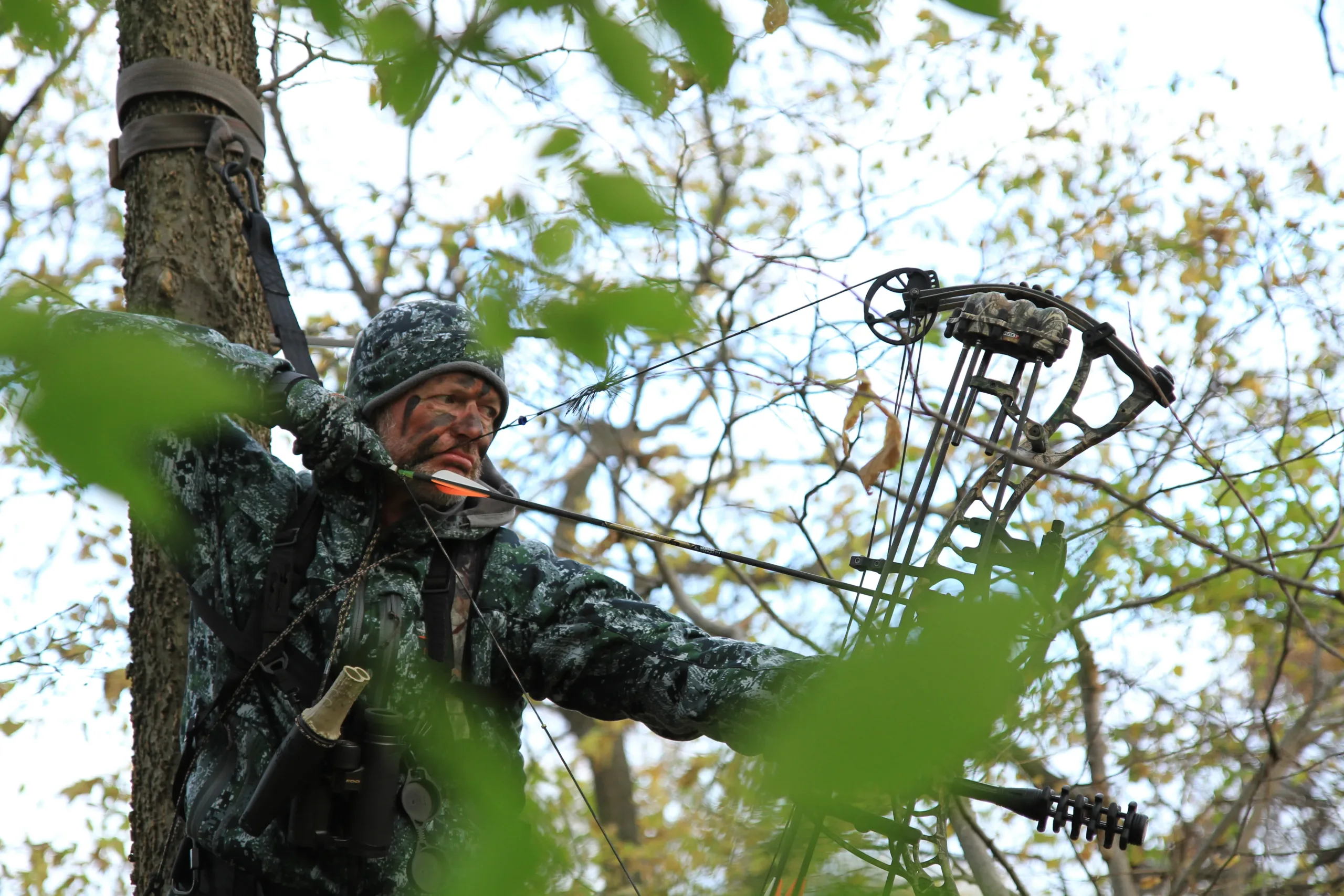
300,000 Arrows: A Lifetime of Bowhunting Practice
After four decades of practice, Bob Robb estimates he has shot more than 300,000 arrows. He looks back on the discipline, memories and physical toll of a lifetime behind the bow.
Read More about 300,000 Arrows: A Lifetime of Bowhunting Practice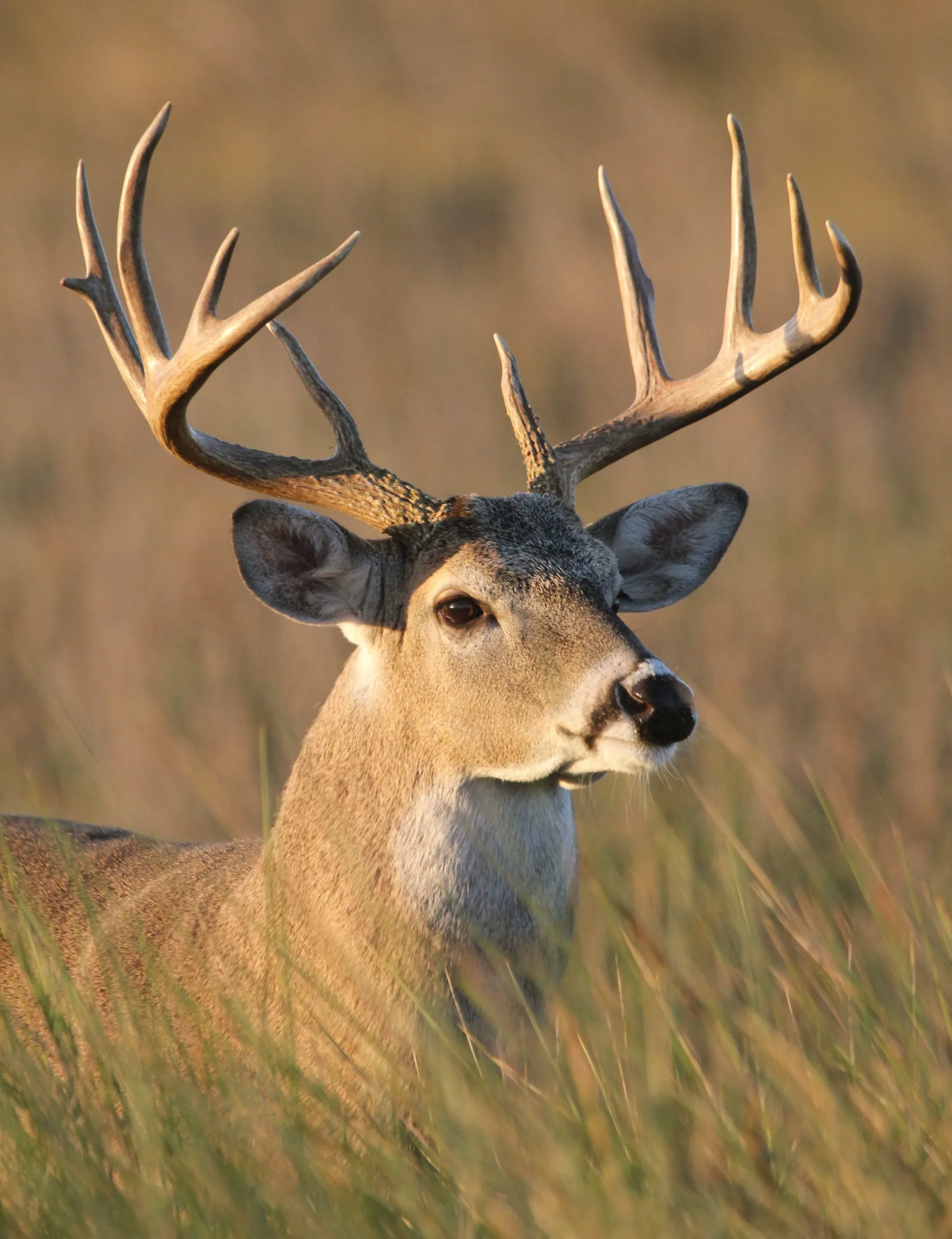
Real-World Big Bucks: How Age Changes Whitetail Antlers
How much can a buck change from a yearling to full maturity? Charles Alsheimer draws on decades of observing known-age whitetails to explore three different antler-growth patterns.
Read More about Real-World Big Bucks: How Age Changes Whitetail Antlers
American Hero: Army Veteran Tags a 203-Inch Oklahoma Giant
Brandon Neitzel had years of trail-camera history with a giant Oklahoma whitetail. One cell-camera photo convinced him to make his move, leading to a 7-yard shot at the 203-inch buck.
Read More about American Hero: Army Veteran Tags a 203-Inch Oklahoma Giant