
Deer Molting: When and Why Deer Lose Their Hair
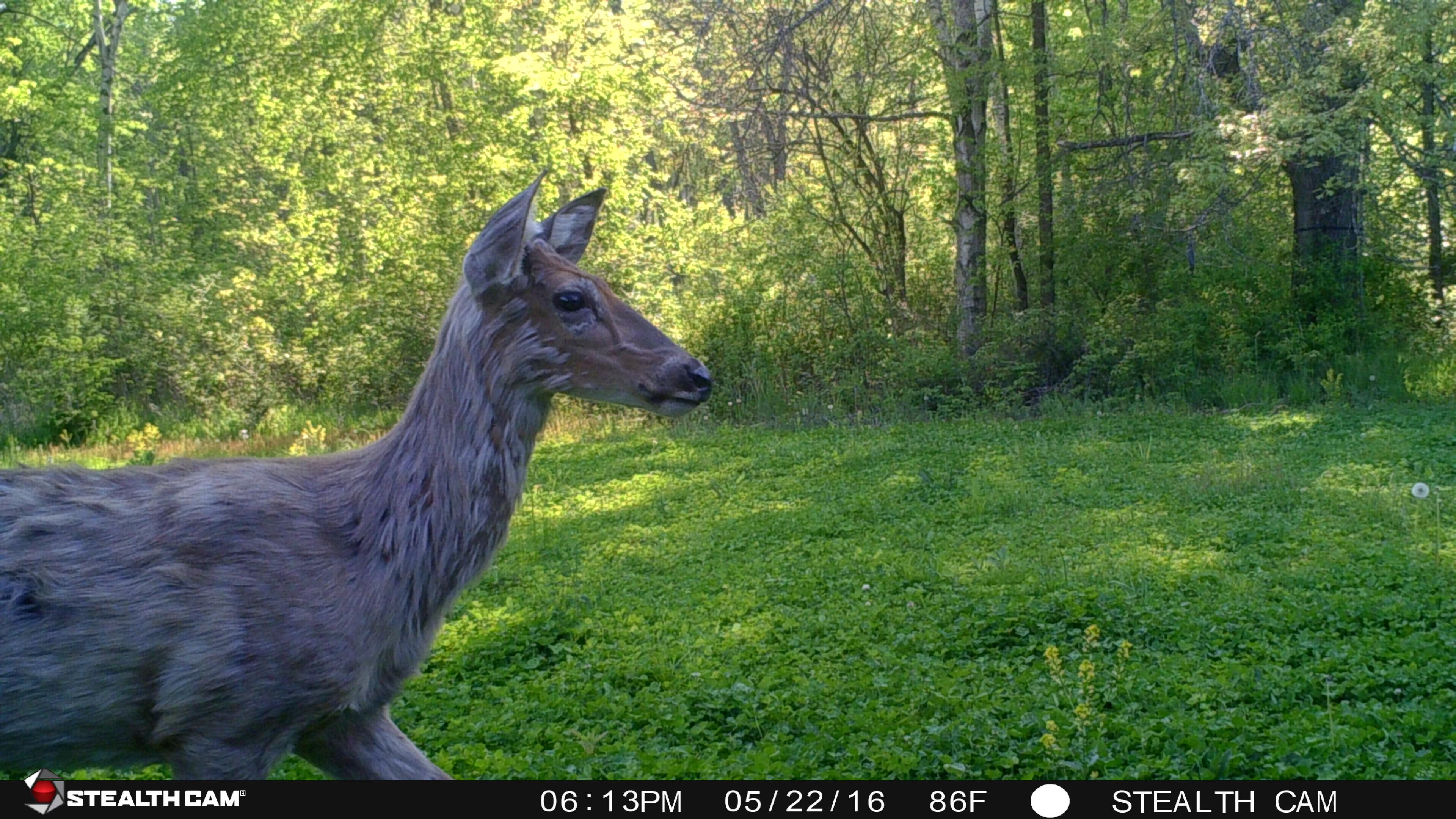
Deer molting is a sure sign of spring. The reasons why deer lose their hair are fascinating, and yet another sign that Mother Nature knows how to take care of her critters.

Deer Molting is a Natural Process
If you have trail cameras out, you’ve probably noticed some really ratty-looking deer out there. I’ve received many inquiries here at D&DH, and the common question is: What’s wrong with the deer? Why are they losing their hair? The answer is rooted in the deer molting process.
There’s nothing wrong with them, actually. The annual deer molting process — the few weeks in spring when deer lose their thick fall coats — is underway. The entire process is fast — usually complete in just a couple of weeks. And, contrary to what the images might be showing, the more awful it looks, chances are the deer you’re seeing one of the healthiest in the herd. Deer that are in poor physical condition won’t lose their hair until closer to summer (late June).
SEE MORE DEER ON YOUR HUNTING PROPERTY
VIDEO: DEER WITH CHRONIC WASTING DISEASE
Deer molting usually begins at the top and progresses downward, as seen in this Stealth Cam photo. The thick “blue” hairs of the neck, chest and sides fall out and are replaced by the new, reddish coat, of summer. (The red hair reflects the sun’s energy compared to the darker winter hair which absorbs the sun’s heat.) The deer’s hind quarters, rump and back legs are the last places to shed their hair (normally).
Deer Molting Debate
There has been debate in the scientific community for years over the whitetail’s shedding process (known as “deer molting”). One noted researcher and deer behaviorist, Ian Alcock, floated the idea in the late 1990s that the spring molting process is the only true molt for the whitetail species. Others, including longtime D&DH contributor Charles Alsheimer of New York, disagree, saying the autumn hair-shedding process must also be considered a molt.
Perhaps their splitting hairs? Kidding aside, the take-away lesson from these sights in the deer is woods is simple: The whitetail molting process, albeit unsightly, is nature’s way of providing deer with “clothing” that suits the temperatures.
+++++

JOIN THE CAMPFIRE AT THE SATURDAY NIGHT DEER CAMP!
Deer & Deer Hunting invites you to our new Saturday Night Deer Camp, only on Pursuit Channel.
 Saturday Night Deer Camp is a primetime block of shows kicked off each week with the award-winning Deer & Deer Hunting TV. Hosted by Dan Schmidt, Gordy Krahn, Mark Kayser and Steve Bartylla, the show is in its 14th season and covers everything related to deer hunting, from tactics and strategy to gear, biology, great hunts and more.
Following DDH TV, you can watch Destination Whitetail, The Given Right with Kenneth Lancaster and then Land of Whitetail. These four shows make Saturday Night Deer Camp your must-watch viewing this year.
Check your local listings for Pursuit Channel. It’s also available now on AT&T U-Verse, Channel 1644, among other networks.
Related Articles
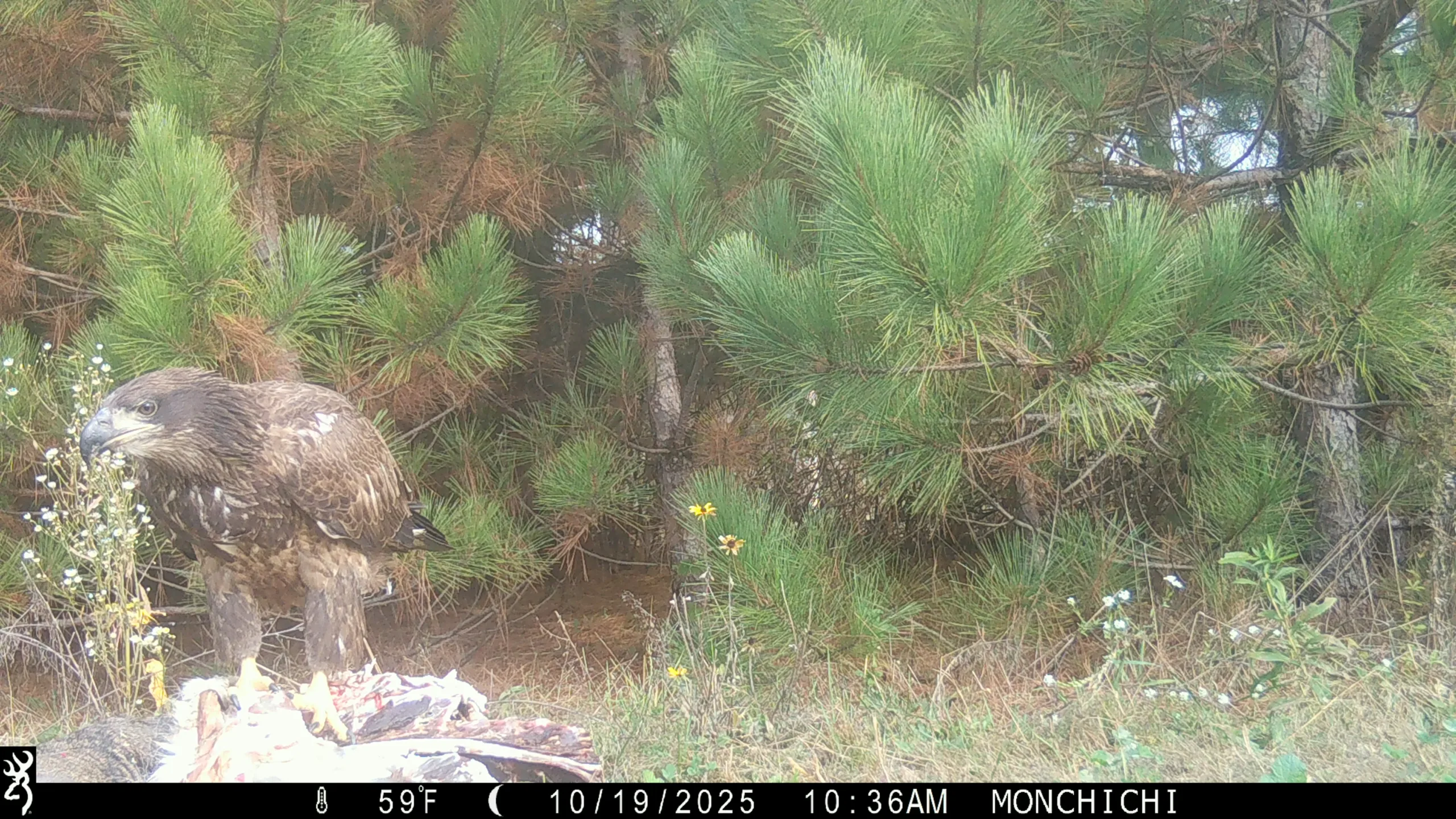
Deer Carcass Cleanup: What Wildlife Eats the Remains?
A harvested deer feeds more than the hunter’s family. From bald eagles and crows to coyotes and raccoons, discover the surprising variety of wildlife that benefits from deer remains.
Read More about Deer Carcass Cleanup: What Wildlife Eats the Remains?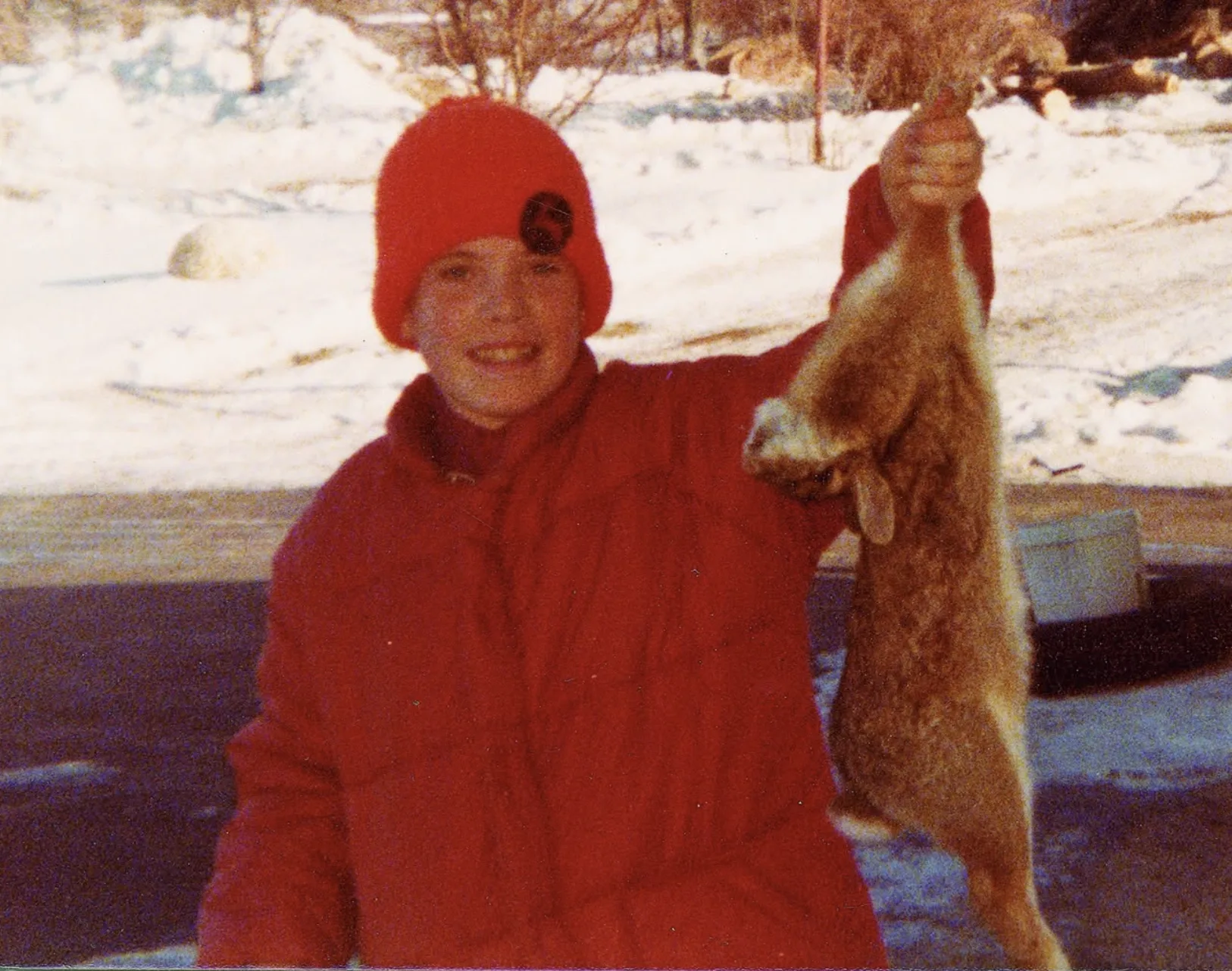
Take Them With You
More than 50 years later, Daniel E. Schmidt still remembers the rabbit hunt his older brothers let him join — and the lesson that memory carries for hunters today.
Read More about Take Them With You
Sorry, But It’s Not a Bolt
It is time. Time to stop the bickering and childish rhetoric over a simple piece of equipment in the deer-hunting world. I’m specifically talking about the term “bolt” when referring to a crossbow projectile. The term was cute — and technically accurate — when it was coined generations ago. But it has long outlived its […]
Read More about Sorry, But It’s Not a Bolt