
The Truth About Cold Weather and Shed Antlers
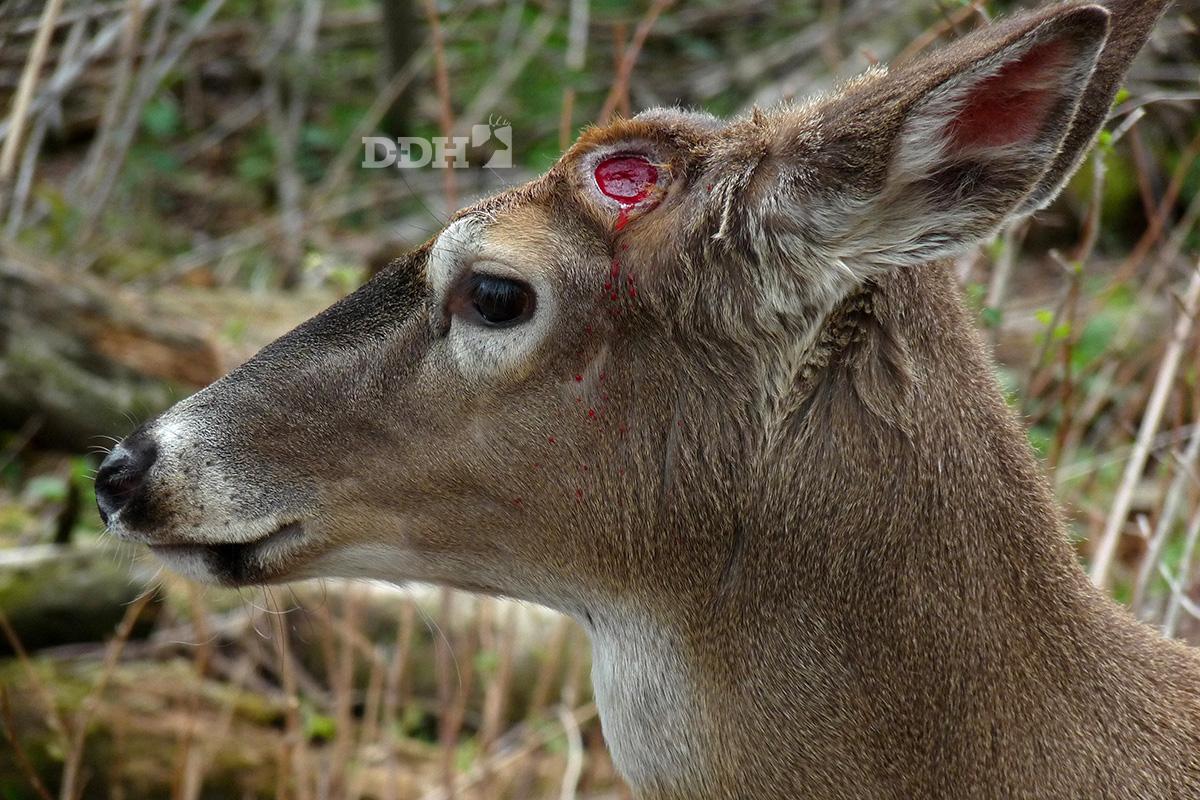

As we head into winter, scenes like this (above photo) will become more common, as whitetail bucks begin casting their antlers in the upper Midwest. In other areas of the country, most bucks will carry their antlers well into February, March and beyond. There were some cases of bucks shedding their antlers in December. I’m speculating off of years of experience here, but I’d attribute almost all of these cases to environmental stress on the deer herd.
A common question that we get here at Deer & Deer Hunting goes something like this:
“I’m guessing low stress and a mild winter helps bucks hold onto their antlers longer?”
Or: “These cold temperatures surely have the bucks shedding their antlers early, right?”
In general, the answer to both questions is a qualified “no.”
Low stress and good nutrition can prolong deer to hold their antlers, but not usually. Of course, nothing is absolute when it comes to whitetails. Interestingly, bucks will shed their antlers (we’re talking adult bucks here) nearly the same time every year. Charles Alsheimer has documented this phenomenon in Deer & Deer Hunting many times over the past 30+ years. When bucks get beyond 4 years old, Alsheimer said they will shed almost to the same date every year — give or take a day or two. Antler shedding is a genetic predisposition.
Now, during really severe winters, mostly during severe nutritional stress, bucks can and do shed their antlers earlier. The overall health of the individual animal plays a big role in these cases. But, all things being equal, an adult buck that sheds his antlers the last week of February this year will most likely shed during that same week for the rest of his life. Yearling bucks are a different story, as they have yet to reach maximum skeletal capacity.
What about deer health in winter?
During normal years, whitetails can withstand almost anything Mother Nature dishes out. The breaking points, however, are deep winter snow depths and brutally cold temperatures. For example, the 2013/2014 winter was a doozy in many Upper Midwest and Northeast states. This year’s December weather has been cold in some areas, but nothing close to what could be considered harsh on the deer herd in general.
Research biologists in Minnesota and Wisconsin set out to learn more about winter’s wrath on the whitetail herd. During their studies, the researchers found a direct link between snow depth, wind-chill temperatures and winter dieoffs among whitetails. They also came up with a formula for predicting how bad any given winter would have on the deer herd. It’s called the “Winter Severity Index.” Here’s how it came to be, according to the Wisconsin Department of Natural Resources:
“Prior to 1975, Wisconsin did not have a formal procedure for measuring winter severity and predicting its impact on deer herds. Michigan had developed a severity index that used calorimeters to estimate a winter air-chill factor, and snow depth and sinking-depth measurements to estimate a snow-hazard factor (Verme 1968). The air-chill and snow-hazard factors were summed at the end of each week to derive a cumulative severity index. Ontario was using the Passmore-Hepburn Method, which also involved collecting relatively complex snow measurements (Passmore and Hepburn 1955). Our winter severity index (WSI) was developed after testing several procedures for quantifying winter conditions (Kohn 1975). It used the number of days with a minimum temperature of 0°F as a measure of winter air-chill, and the number of days with 18 inches of snow on the ground to estimate the snow hazard. Days when both conditions occurred are scored as 2. These are added together from 1 December through 30 April to obtain the WSI.”
Winters are considered “mild” if the calculated WSI is less than 50, “moderate” if it is between 50 and 80, “severe” if it is between 80 and 100, and “very severe” if the WSI exceeds 100. Here’s an example:

As you can see, that year was bad. Really bad in some areas of northern Wisconsin. What about last year? Not so much. It was incredibly mild, based off the numbers:

Throw in one heavy snowfall in March (or even April) — and continued below-zero temps — and we’ll be looking at slight winter die-offs of last year’s fawns, older bucks and, in some cases, even mature does, but nothing to get too alarmed about.
Let’s just hope the 2025 winter isn’t prolonged and spring arrives with no prolonged periods of severe weather.
Related Articles
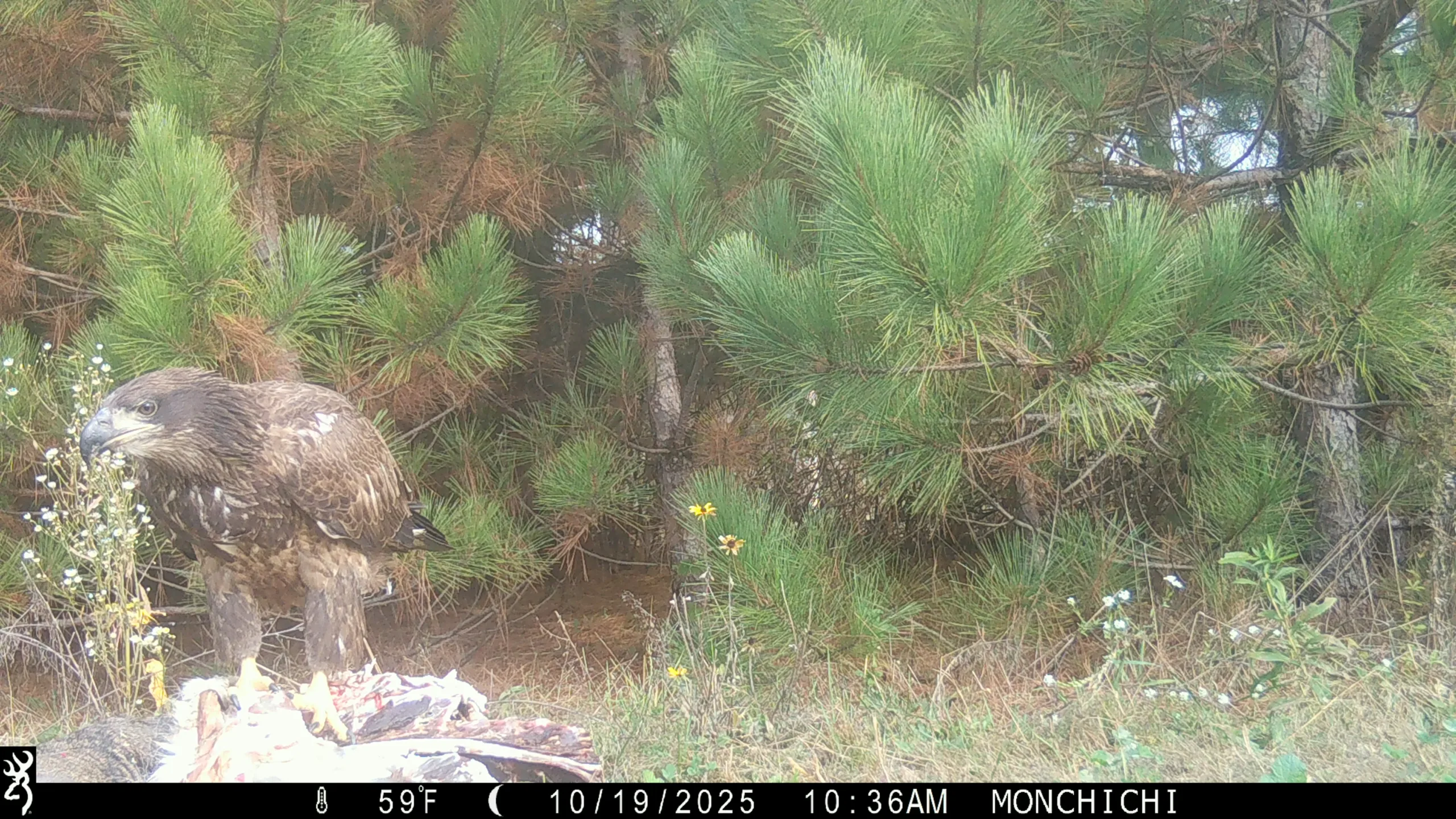
Deer Carcass Cleanup: What Wildlife Eats the Remains?
A harvested deer feeds more than the hunter’s family. From bald eagles and crows to coyotes and raccoons, discover the surprising variety of wildlife that benefits from deer remains.
Read More about Deer Carcass Cleanup: What Wildlife Eats the Remains?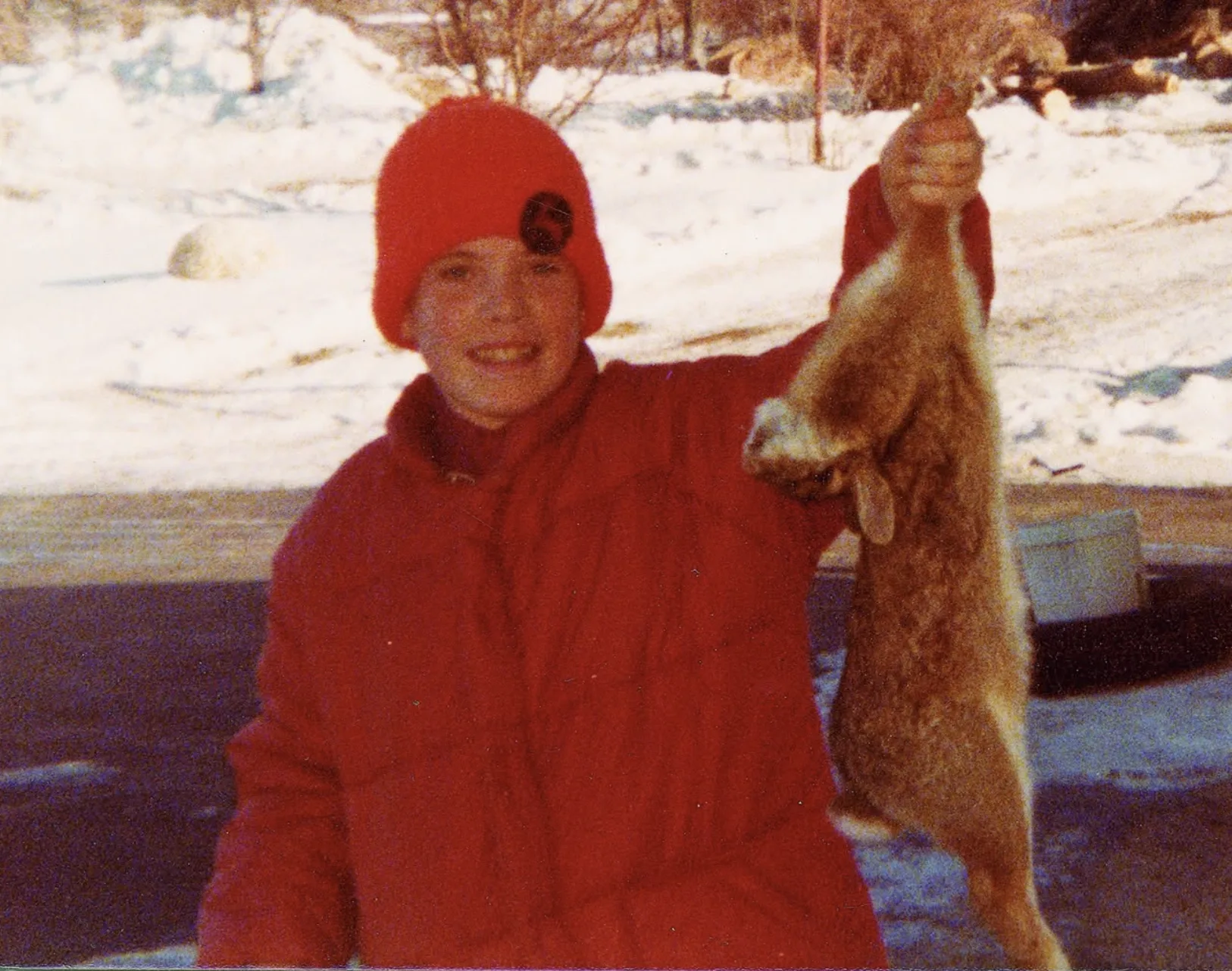
Take Them With You
More than 50 years later, Daniel E. Schmidt still remembers the rabbit hunt his older brothers let him join — and the lesson that memory carries for hunters today.
Read More about Take Them With You
Sorry, But It’s Not a Bolt
It is time. Time to stop the bickering and childish rhetoric over a simple piece of equipment in the deer-hunting world. I’m specifically talking about the term “bolt” when referring to a crossbow projectile. The term was cute — and technically accurate — when it was coined generations ago. But it has long outlived its […]
Read More about Sorry, But It’s Not a Bolt