
When Cold, Snow Settle In, Deer Do This
Monday, January 3, 2022Steve Bartylla
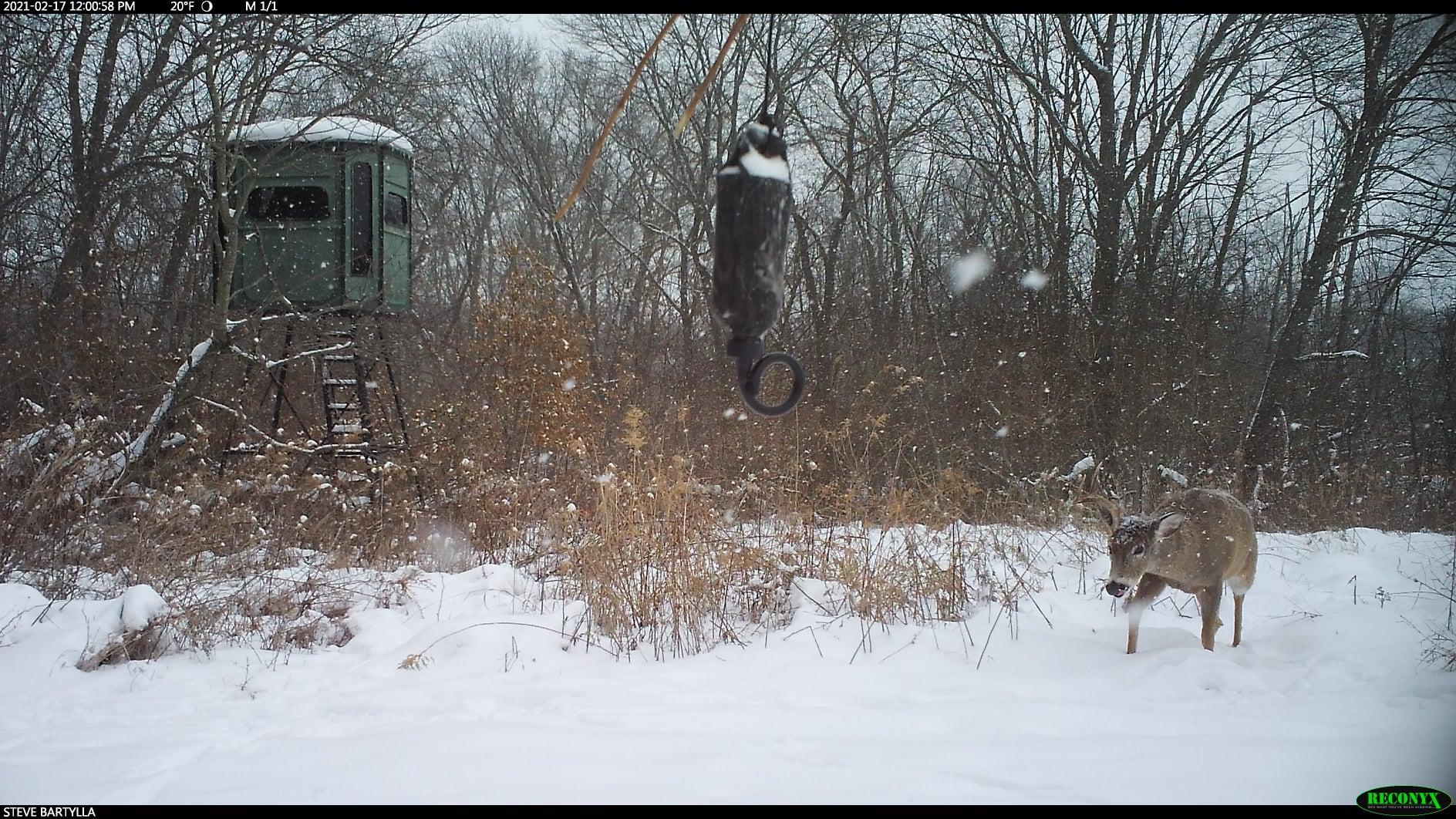
Old friend of mine made an outstanding suggestion, last Friday. Where do Northern and Midwestern deer head when the winter weather gets nasty? For him, he had the Three Cs drilled into his head: corn, cattails and conifers. I mention this because he lives in an area with comparatively more agriculture than deer cover. Truth be told, I haven’t hunted many areas with very limited deer cover. So, I wanted to list that for that specific reason and believe that’s likely why I don’t see deer living in corn over nasty stretches of winter, but I completely believe him when it comes to what he experiences, in his specific situations.
Which is a great reminder, tangent to take. Never forget that every deer has its own personality, most every area is hunted at least somewhat differently and both the topography and habitat changes within most properties, much less from property to property. Add it all up and some things will work better than others, no matter how many people are telling you THIS is what you need to do. Figure out what works for you, in your area and run with it, no matter how ridiculously many are telling you that won’t work or you really need to _______!
MORE BLOG POSTS FROM STEVE BARTYLLA: CLICK HERE
With that in mind, I needed to mention standing cornfields, as the deer obviously head for them in nasty weather, in certain conditions, or my friend wouldn’t have mentioned it.
In my experience, grounded in heavily wooded to closer to 50/50 splits of cover and farming, here are the areas I look for deer in when the weather gets nasty. During cold, but low winds, I often find deer bedding in little grassy areas on side hills with southern exposure. That way they’re able to catch direct sun while bedding.
Add nasty winds and they become no where near as desirable, as the wind steals their body heat. When that’s the case, stands of conifers/evergreens that block wind and trap a little hear with their ceilings of branches become big time draws, as well as most anywhere desirable that provides either heat trapping with a false ceiling of branches or wind blockage.

That’s where bowls, swamps and marshes come into play. The “right” bowls simply offer a break from the wind. At the same time, most swamps and marshes are on bottoms, which help break winds. Now add it the swamp grasses, cattails, tag alders and one often has a bunch of vegetation to help block winds, as well.
The other most common location I find Northern and Midwestern deer during bad weather, overwinter is around standing cornfields. Unlike my prairie land buddy who has the deer overwintering in the standing corn, they tend to bed close to it, in my experiences, for my areas.
On the surface, it has nothing to do with the cold and everything to do with food, until one thinks a bit deeper. There’s more than one wat to heat a house, which the deer are essentially trying to do. You can insulate the heck out of it (sun on calmer days and seek shelter on the windy days) or merely keep feeding the furnace or wood stove fuel (bed near high carb foods/corn that generate hotter fires).
As always, take anything of value and merely pitch the rest, my friends.
MORE BLOGS FROM DEER & DEER HUNTING:
Related Articles
Understanding Mature Bucks
Bartylla Blog: How Screening Can Be Used
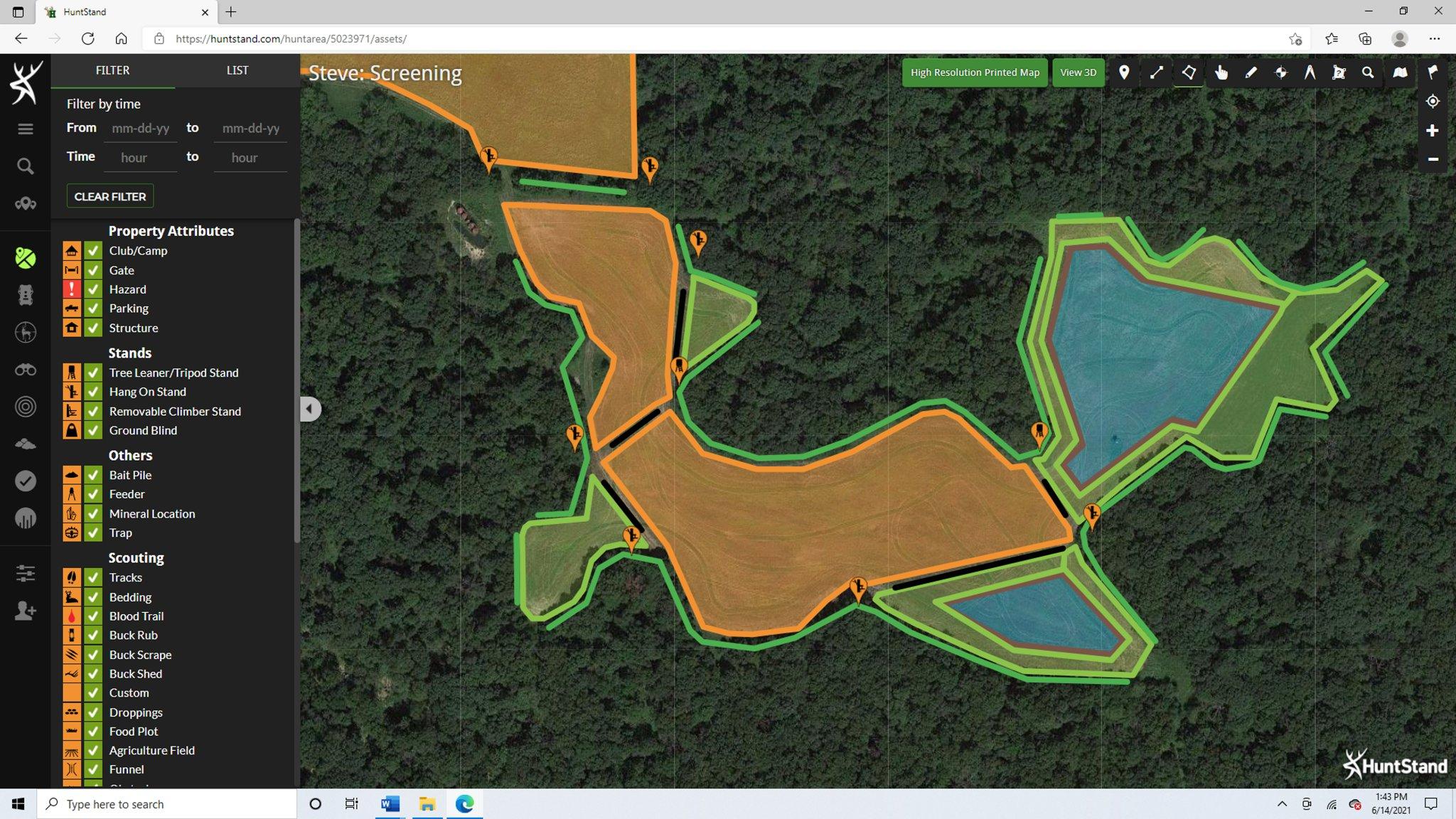
Two real-world examples of how to use screening to reduce the pressure we put on the deer and help funnel them past our stands.
Read More about Bartylla Blog: How Screening Can Be Used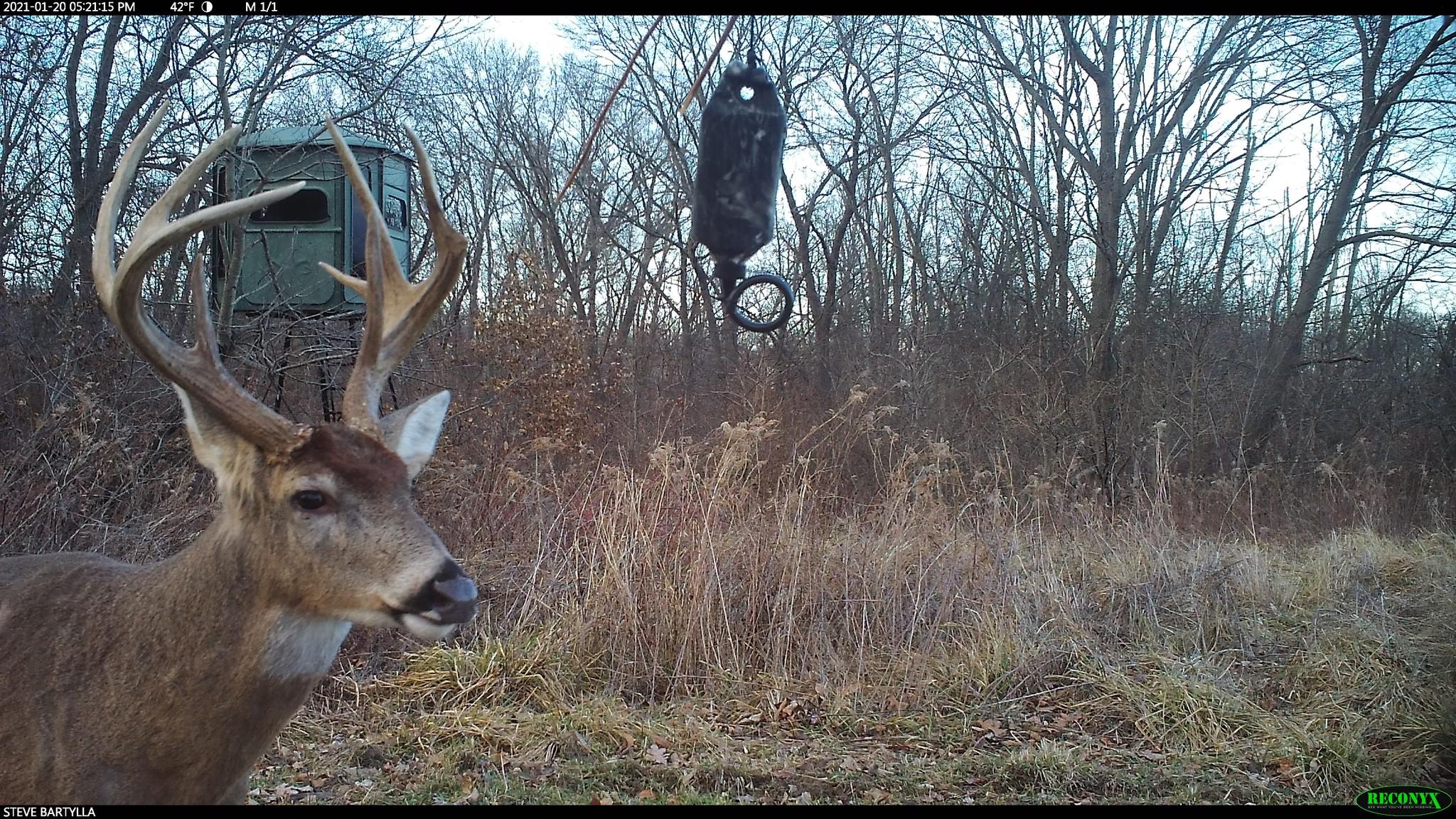
Understanding Mature Bucks
Bartylla Blog: Human Pressure and Mature Buck Sanctuaries
Can we ever head into mature buck sanctuaries or should we avoid them forever? Steve Bartylla says how he approaches these areas.
Read More about Bartylla Blog: Human Pressure and Mature Buck Sanctuaries
Understanding Mature Bucks
Bartylla Blog: My Best Tips to Prevent Trespassing
Steve Bartylla lists some smart tips to prevent trespassers on your property.
Read More about Bartylla Blog: My Best Tips to Prevent Trespassing