Alsheimer taught us that there are four basic sounds (with variations) that whitetails make. These were his favorite calls.
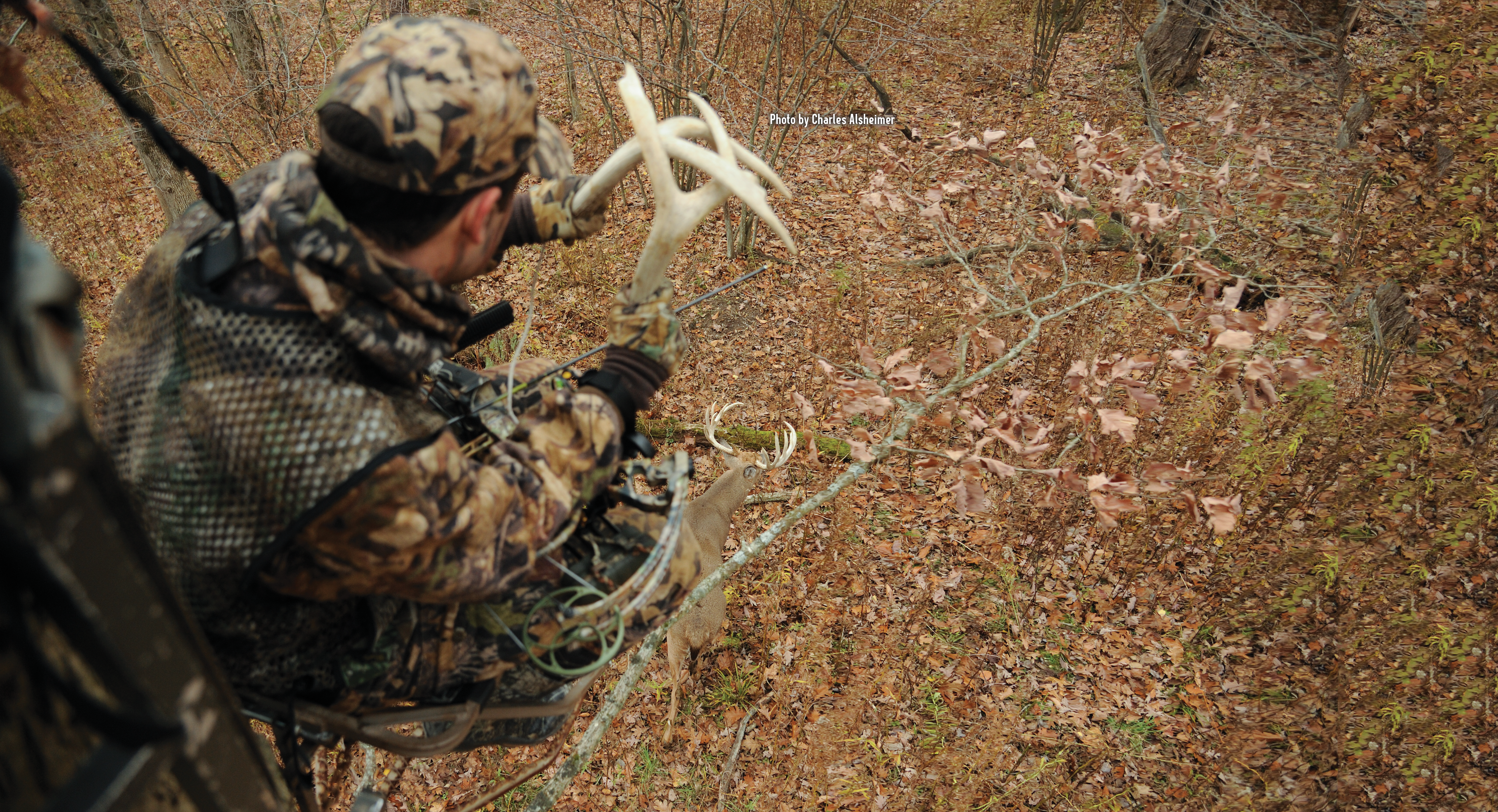

Alsheimer taught us that there are four basic sounds (with variations) that whitetails make. These were his favorite calls.

As the rutting moon arrives and the rut intensifies, three distinct types of scrapes show up: boundary, random and primary.
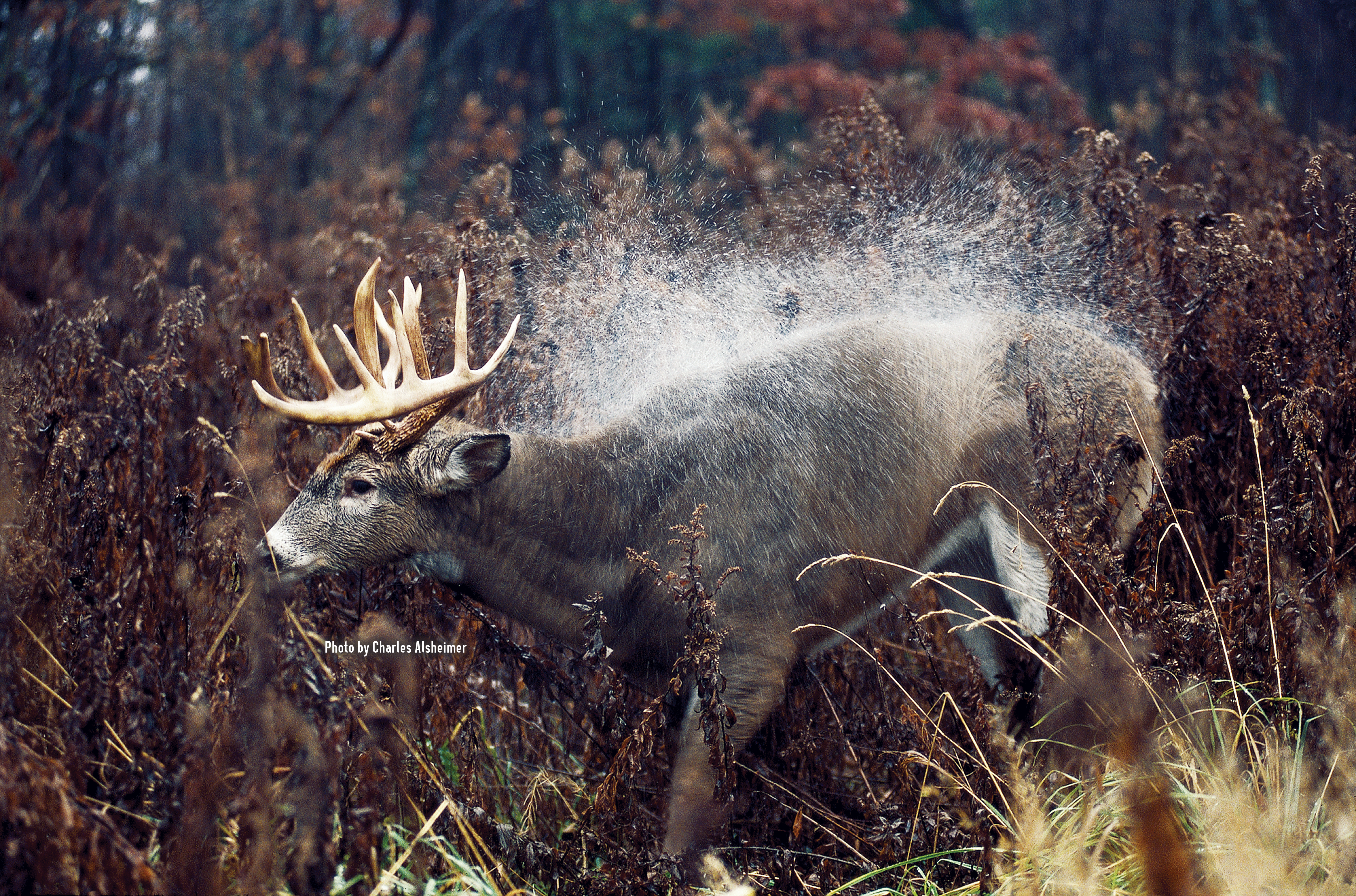
These insights on weather and how it affects deer movement teach how you can better maximize your time afield.
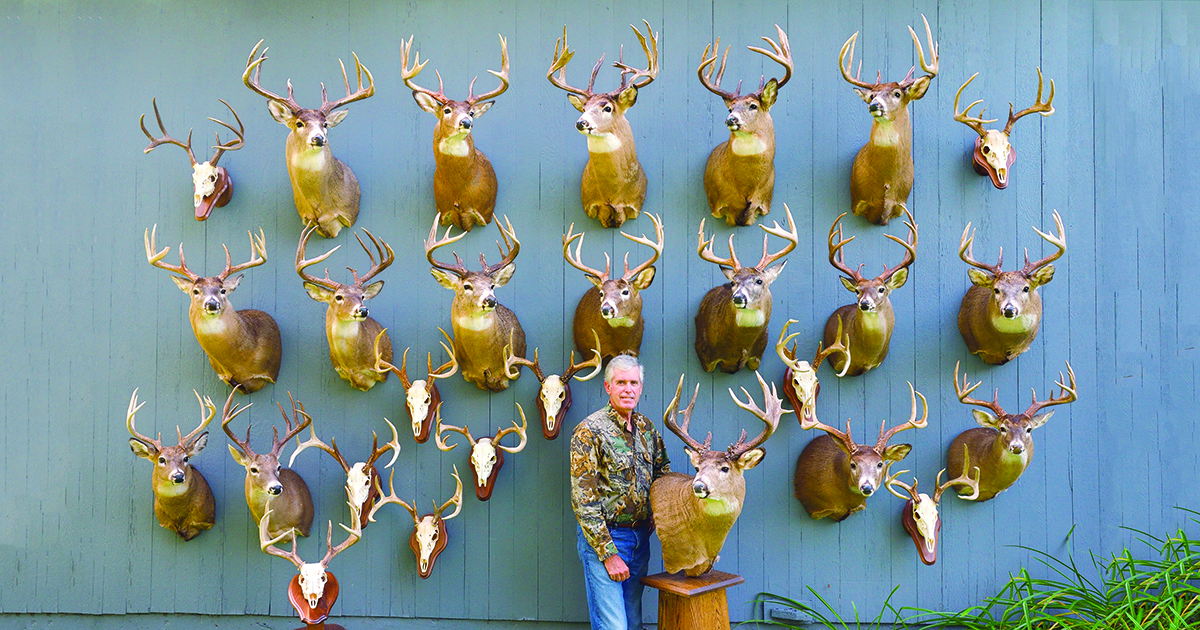
Even for students of whitetail behavior, there are always lessons to be learned when it comes to the idiosyncrasies of this incredible animal.
Tips and tactics for using deer calls to communicate with whitetail deer on public or private land during the rut.

Understanding the growth cycle of a whitetail deer helps grow big bucks. Plus, learn about planting beneficial food sources.
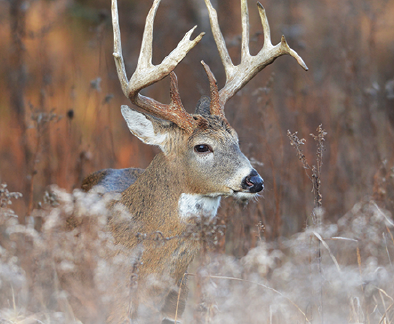
Contrary to what some might think, whitetails are not difficult to understand. They have basic needs that center around food, water, cover and their physiology. How deer move within their core areas depends largely on pressure from predators (man and animal); their food’s proximity to bedding cover; their environment (weather, temperature, etc.) and their physiology. […]

Having spent 38 years studying deer behavior on a daily basis, Charles Alsheimer was more than a writer and photographer. He was a true pioneer.
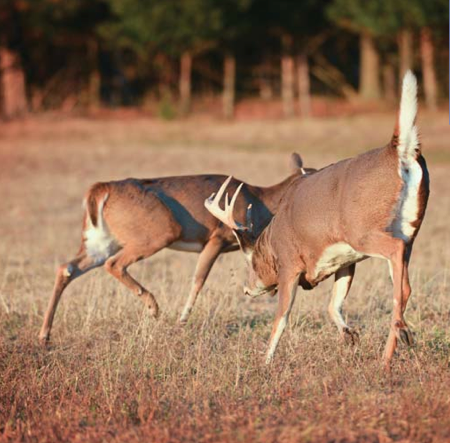
The whitetail breeding period, known as the rut, follows predictable stages of deer behavior. These changes dictate the effectiveness of hunting strategies.

If you can only plant food plots of an acre or less, put half in clover for warm-season feed and half into a cereal grain such as oats or winter wheat, or a tuber, such as radishes or turnips. If your soil has a pH of 6 or higher, clover offerings will thrive, providing you […]