
A Pennsylvania teacher’s hands-on deer processing demonstration has struck a nerve online, sparking millions of views and an outpouring of support from hunters who say this is exactly the kind of education today’s kids need.
When Emily Bidlack, an Agricultural Education teacher and FFA advisor at Harlan Rowe Middle School, brought a harvested deer into her classroom and showed students how to skin, quarter, and package it, she wasn’t looking to become an internet sensation. But the video posted to the Athens Middle School FFA Facebook page exploded, racking up more than 12,000 likes and over 36,000 shares within days.
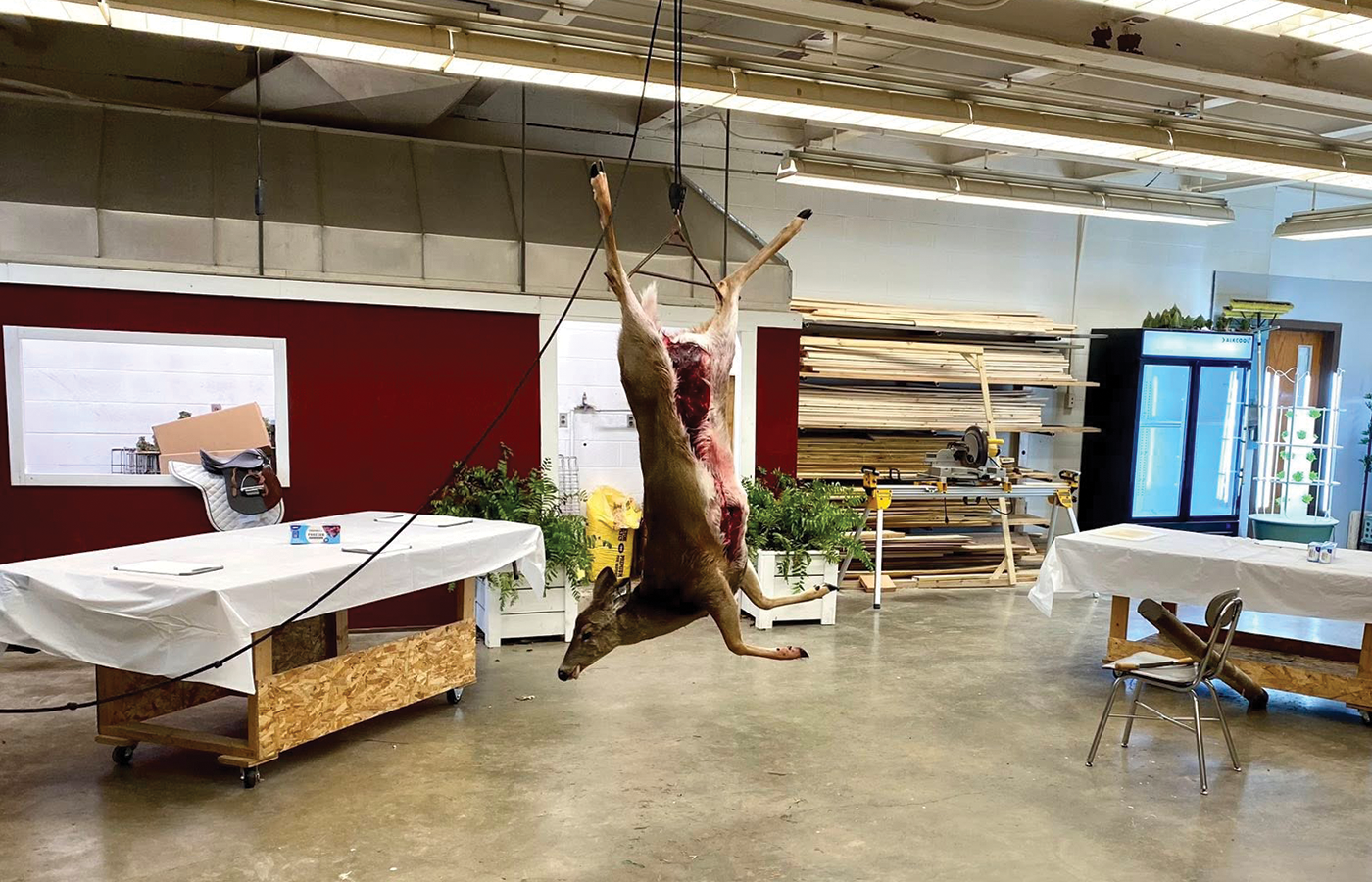
While the viral moment grabbed national attention, hunters and outdoor educators say the real story is why lessons like this are increasingly critical.
Reconnecting Kids with Real-World Skills
For many students, even in rural districts, the idea of where food comes from stops at the grocery store shelf. Field-to-table education — especially involving wild game — helps fill a growing knowledge gap.
Bidlack told her students ahead of the demonstration that if she tagged a deer, she would bring it in. Many were nervous, but others were excited. For a number of them, this was the first time they’d ever seen what happens after a deer is harvested.
This is exactly the point, Bidlack explained. “If we’re going to talk about agriculture, conservation, and food systems, they need to see the whole process,” she said.
Building the Next Generation of Ethical Hunters
Outdoor mentors have long said that the actual harvesting of an animal is only a fraction of the responsibility involved in hunting. Learning how to handle, cool, and process game is what ensures an ethical, respectful, and safe use of the resource.
By letting students see the process up close — hide to freezer paper — Bidlack is passing along knowledge many young hunters today never get until adulthood.
Skills like:
- Where to make the initial cuts
- How to remove the hide cleanly
- How to identify usable cuts
- How to properly handle and package meat
This isn’t simply shop class curiosity. These are the foundational abilities that keep new hunters confident, safe, and responsible in the field.
Strengthening Conservation Literacy
Hands-on experiences like this also connect directly back to wildlife conservation. When kids understand the work involved in processing an animal, they better understand:
- Why selective harvest matters
- Why healthy deer populations require management
- How hunting ties into habitat work and funding
- How sustainable use supports wildlife long-term
It removes the mystery and misconceptions about hunting and replaces them with knowledge rooted in biology, stewardship, and respect.
Why This Matters Now More Than Ever
As hunter participation declines nationwide, passing on real experience is essential. Programs like FFA, school-based outdoor skills lessons, and mentorship-driven instruction are helping fill a void that many families can no longer provide.
For many students in Bidlack’s class, this may be the moment that demystifies hunting, sparks an interest in self-sufficiency, or inspires them to pick up an FFA project, a bow, or a conservation career.
Online commenters captured the sentiment from hunters across the country:
- “We need more of this.”
- “This is how you raise ethical hunters.”
- “Kids should know where their food comes from.”
In an era when outdoor experience is shrinking, one middle school teacher’s deer-processing demo became a reminder of what’s at stake — and why passing on the full heritage of hunting matters.