
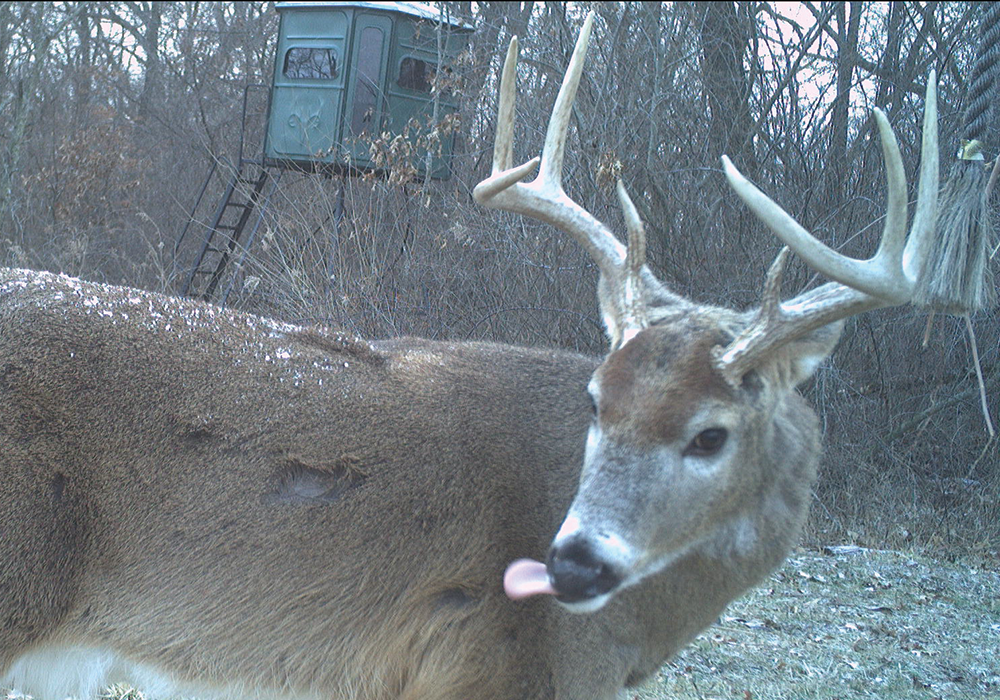
Having managed private deer ground for years in the Midwest, I’ve had my share of experience with the diseases crippling herds in some local areas. Of course, I’m referring to bluetongue and epizootic hemorrhagic disease (EHD). Both viruses are related and have very similar symptoms but are different in that white-tailed deer get EHD, while Bluetongue is a well-known disease of domestic sheep, cattle, and goats, in addition to affecting deer. EHD/bluetongue are completely separate diseases from chronic wasting disease (CWD).
Let’s talk EHD and bluetongue, and specifically how they impact those of us managing deer ground.
EHD and bluetongue are closely related viral diseases, both transmitted by tiny biting midges (Culicoides, aka no-see-ums or gnats) that breed in mudflats, wet soil, and shallow standing water. In white-tailed deer, the two are often lumped together as “hemorrhagic disease” because symptoms overlap heavily. The main practical difference is progression: EHD tends to kill fast (often within days), while bluetongue can sometimes drag on longer (up to weeks or a month in some cases). Survival rates are low — under 10% in my experience — and survivors often show telltale signs like misshapen, cracked, or sloughed hooves. In my observations, bucks that pull through typically grow smaller racks in future years.
We’ve all heard the standard advice: outbreaks are worse in hot, dry late summers/falls when deer concentrate around shrinking water sources and midges thrive. But after 20+ years of dealing with both diseases on Midwestern properties, here’s what real-world experience has taught me:
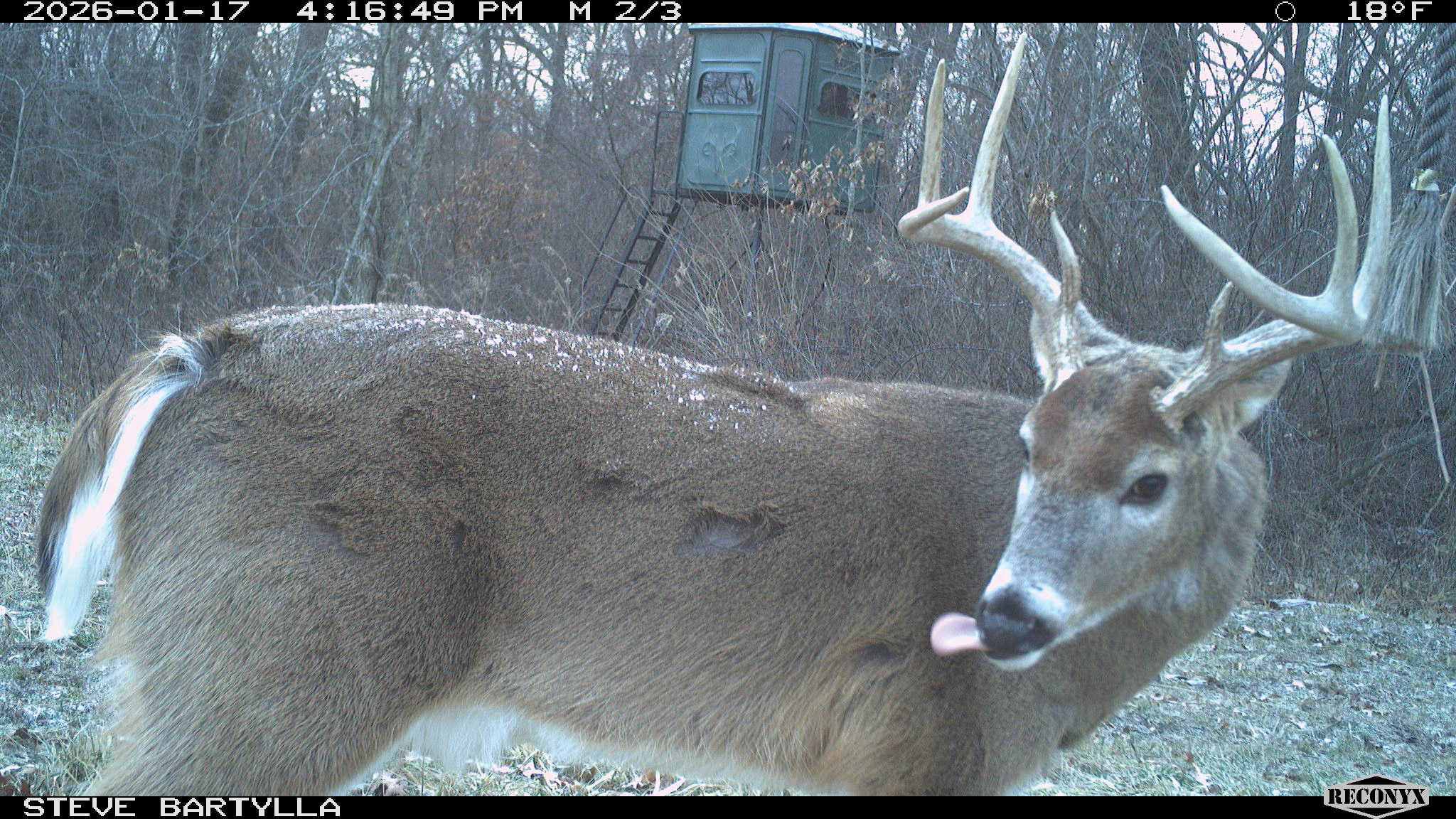
Far northern areas with consistent, hard winters largely escape these diseases — the midges don’t overwinter well there.
Weather patterns (wet, dry, or average) don’t reliably predict severity. My worst outbreak hit during a wet summer and fall, when conventional wisdom says dry years should be the killers.
On the properties I manage, the question isn’t if we’ll lose deer to HD — it’s how many. Most years it’s just a handful. The brutal ones? I’ve seen 70%+ die-offs, with 50%+ losses being the next tier down. After a big hit (50%+), the population often stays in single-digit percentage losses for at least 7 years before another significant wave (25%+).
Control options are limited. I’ve eliminated mudflats around cattle ponds and water features where possible, but midges can explode from something as simple as a roadside puddle or low spot. I’ve had devastating outbreaks on properties with no obvious standing water for miles. Managing water to minimize mud is still worth doing, but it’s no silver bullet.
The best hedge I’ve found: Focus on overall deer health and keep numbers around 50% of the property’s realistic carrying capacity. Healthier deer seem far more likely to survive exposure than stressed or overcrowded ones, all else equal.
Losing mature bucks, we’ve watched and waited years for is gut-wrenching enough. Pair that with a 25%+ die-off, and it’s a real stomach punch — no sugarcoating it. But if there’s any silver lining, it’s this: properties with top-tier habitat (best food, cover, water) recover faster. Even the best ground isn’t “back to normal” the next year — big kills often gut the older buck classes hard. But from November through mid-February, those surviving mature deer get drawn in like magnets. With lower competition and pressure post-die-off, they settle in and claim spots.
WATCH A BRAND-NEW SEASON OF GROW ‘EM BIG WITH STEVE BARTYLLA!
In my experience, offering the absolute best habitat in a 20-mile radius pulls a disproportionate share of the survivors (both bucks and does), and they tend to stay. Instead of 5–8 years to rebuild age structure and numbers, superior habitat can shorten that to 2–3 years. The draw is real.
That’s the hard-earned lesson from two decades of watching this play out. Take it for what it’s worth — your mileage may vary, but it’s what I’ve seen on the ground.
What do you think — does this match what you’ve dealt with in your area?
This version keeps your authenticity while making it punchier and easier to read. Let me know if you’d like it shorter, longer, more/less technical, or tweaked in any specific way!