The question of whether one needs to shoot does often is answered more with raw emotions than pure data. I get it. Hunting is our shared passion, and we pour our blood, sweat and tears into it. The more one invests into anything the more deeply their opinions on the topic will tend to run.
This is further complicated by the best answer varying from property to property, as well as the varying goals of the landowners. Frankly, what crop farmers see as too many deer and those ate up with hunting see aren’t often going to line up.
Add it all up and it becomes easy to see why emotions run deep on both sides of the doe removal issue. We have varying goals, and the habitats vary in what they can support for numbers. And deer densities naturally rise and fall from year to year, often making the best answer change from year to year with the changing variables.
Here’s how I bring a little logic and consistency to deciding whether — and how many — does I’ll harvest each fall. Surprisingly, spring and early summer are some of the best times to start making those decisions.
Inspecting Browse
The reason I find this time of year so key is that the farm belt and points north just went through their lowest food availability of the year: the winter. For our friends in the southern arid regions, it’s the baking summer droughts.
By spring and early summer, you should have a solid sense of how the recently concluded winter impacted your local deer herd. Was it long, cold and snow-packed? Or was it relatively mild and easy on deer? Harsh winters often mean dialing back doe harvest goals, while mild winters may allow for a more liberal approach.
One of the best ways to evaluate herd health is by inspecting browse pressure. Take a walk through woodlots, field edges and bedding areas, paying attention to how heavily deer fed on available woody browse during winter. If you notice heavily browsed saplings, stripped twigs and overused food sources, it can indicate higher deer densities and increased stress on available habitat.
On the other hand, light browse pressure and good carryover vegetation may suggest the herd came through winter in relatively good shape. Summer growing conditions also matter. A wet, productive spring and summer can quickly improve habitat quality and deer nutrition, while drought conditions can limit forage availability and impact overall herd health heading into fall.
All of these observations help shape a more thoughtful and balanced doe-harvest strategy before hunting season ever arrives.
The term carrying capacity, referred to as CC going forward, refers to the max number of deer a property can support. Notice I didn’t say healthily support, as numbers at a habitat’s CC are the opposite of healthy.
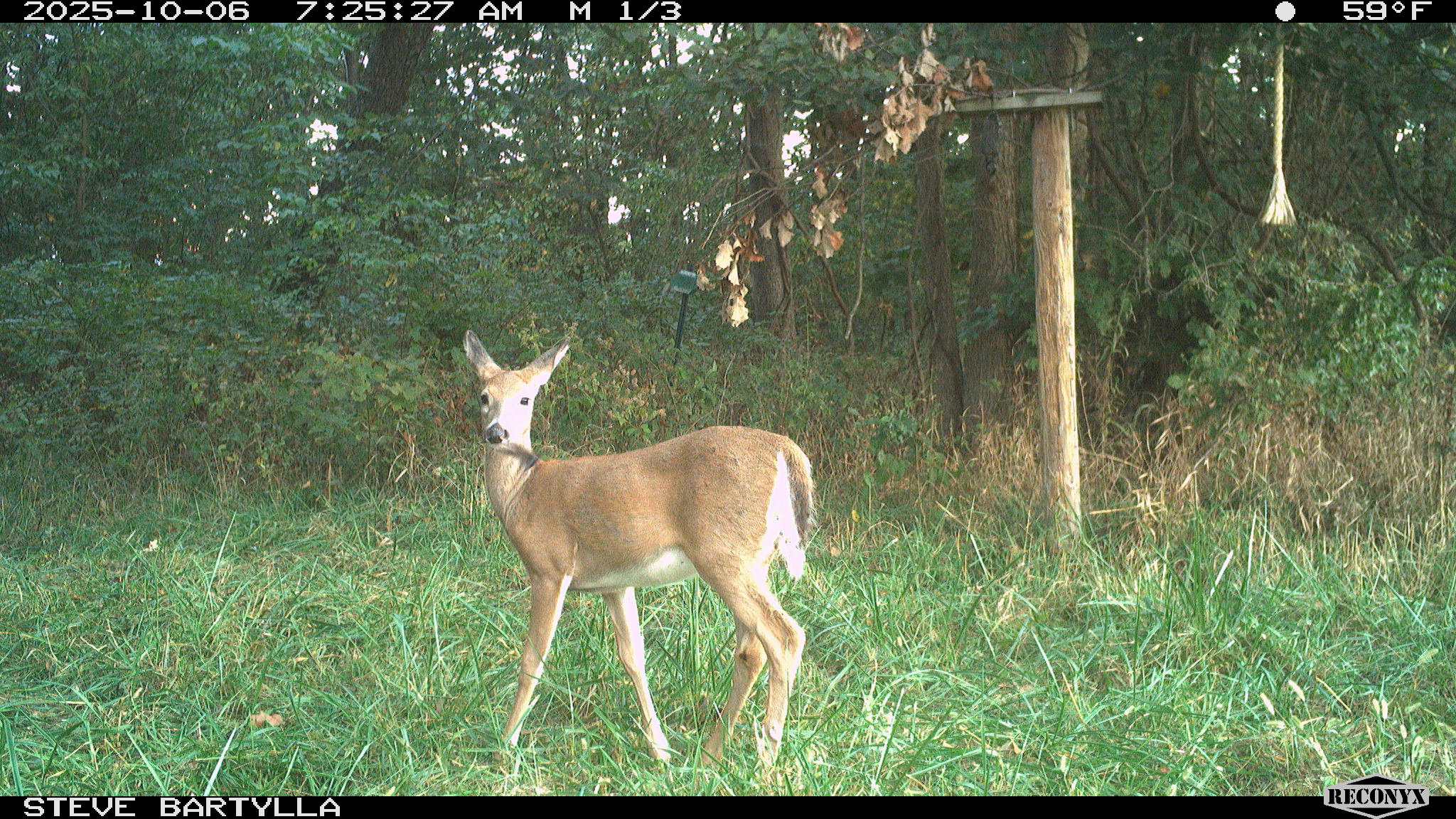
Max CC means that for every birth or immigration, there simply must be a death or emigration, as the ground’s food resources are already stretched as thin as possible and social stress levels within the resident deer are turned to 100 at almost all times.
Another factor to keep in mind is that a property’s CC is really set by the weak link in the seasonal food chain. Regardless of if a habitat can support 250 deer per square mile 3 of the 4 seasons, if one season can only support 21 deer per square mile, 21 deer per square mile is the habitat’s CC. Surpluses don’t carry over, no differently than the strong links in a chain not being able to make up for the weak one when towing a tractor out of a swamp.
At anything close to max CC, the deer are comparatively emaciated, their reproductive success is horrible and they’re literally barely hanging on. At the same time, all the good, attainable foods on those grounds are being wiped in a blink. All those oak saplings popping up get nipped before they can grow. The good deer food weeds are hammered, along with every deer food they can get their teeth on.
You know what absolutely thrives in these situations? Those weeds the deer don’t eat and the starvation browses they can’t digest. They’re not only left alone to thrive, but the good deer foods that served as growing competition to suppress their growth are all but gone, giving the trash the full sun, extra water and increased nutrients they need to thrive.
When maxing CC, every day the property is even close to maxed actually helps destroy how high future CC levels can be, without us completely rebuilding the deer woods. The trash deer can’t eat thrives while the desired foods are hammered to oblivion. That’s a horrible combo!
Instead, aiming for a deer population at around half the property’s CC is a way better target. Because the deer are so much healthier than when close to max CC, their survival and reproductive rates are so much higher that we can actually take the same deer numbers annually from a property at half CC as if it was maxing CC. The difference is that the deer shot on the half CC property are so much bigger and healthier.
That’s all awesome, but one needs a PhD in wildlife to be able to calculate that.
Well, yes and no. Assuming we aren’t in a traditional overwinter yarding area region or deer don’t pile into or completely abandon the grounds overwinter, those in the farm belt and points north can merely inspect the woody browse, just before spring leaf out.
You don’t even have to be a tree ID expert. The deer tell us what browses they want and what they don’t, simply with their mouths. The species the deer are nipping a bunch of buds off are desired. The easily reached ones they are ignoring aren’t.
Step two is merely inspecting browse at the end of winter, keeping tabs on the percentages of easily reached, good browse that’s left. As a rule, if 20% or less of the good buds are left, odds are you should be shooting a bunch of does this fall and jack food levels, as your habitat is getting hammered, you have next to no quality browse on the grounds or both. The 20-50% left range is a strong indicator that our numbers are about right, and we just need to take enough does to maintain. When more than 50% of the easily reached, quality deer browse is left come spring, that indicates we should leave the does alone and build our numbers.
Determining the exact number of does to shoot is art and science. That said, by observing the difference the following spring, we know whether we shot enough or not, based on the percents of quality browse going up or down. We merely adjust for a couple years until we have the correlation dialed in.
Of course, that’s all assuming the habitat offers a decent amount of browse. Some common sense needs applying and the percents won’t line up perfectly. That said, I’ve found this approach to give me a great baseline to start with. Each year I merely adjust the percents up and down to where they work best for that specific property.
Which Does to Shoot
With knowing whether we need to shoot does, we can enter a new, not often discussed phase of doe removal. Does it make a difference which does we shoot and which we don’t?
The answer to that question will vary wildly, depending mostly on the hunter’s circumstances and if they are trying to herd cats, err, I mean manage free range whitetails. If not or just not interested, one can skip the rest. That said, if you are, which does to shoot can make a big difference.
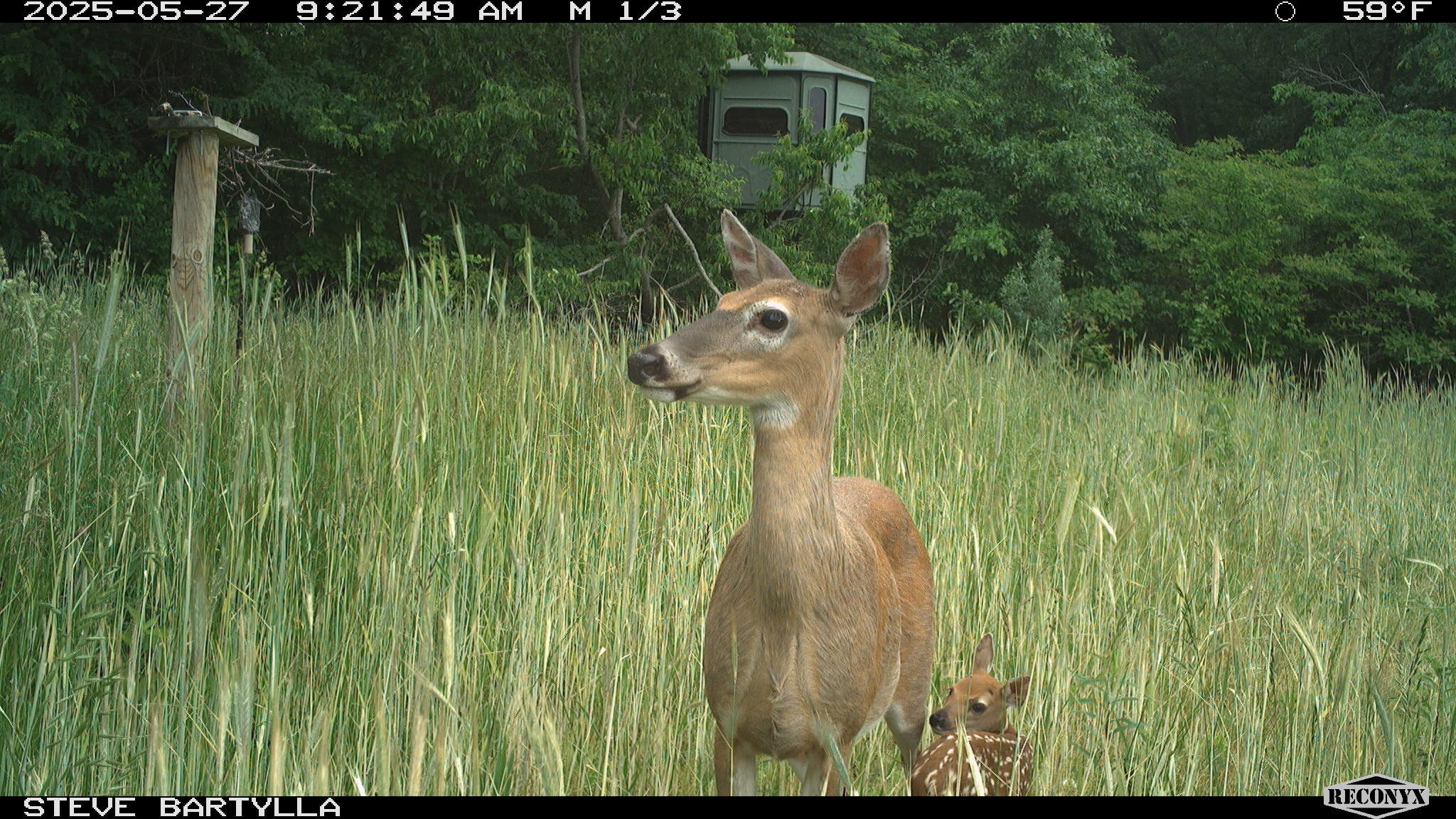
When trying to manage grounds, one can pretty much break the does into two groups: those that help achieve our goals and those that work directly against them. When trying to build deer numbers and not shooting does, which grouping a doe fits best in doesn’t matter a lick. However, if one is going to shoot does and are managing the habitat and resident whitetails, doesn’t it only make common sense to shoot those that work directly against our goals?
So, who are our friends? The family groups that bed and feed where we want them to on us, while not being overly obnoxious to the hunters are our friends. We know what they’re up to and where they mostly are, and they’re following the script we hoped they would. They, along with our food and top quality bedding, are our buck bait and time wasters. The more time he is focused on them the more he’s cooperating with our goals.
What about those does that bed on the neighbors and raid our fridge every night? They are stealing food and will eventually smell pretty. When they smell pretty, you know darn well Mr. Big is going to follow them across that fence in the AM, right into a danger that is not inspired by our hands. For those trying to get another year of life or tag on a buck, that’s working directly against our goals. It only makes sense for us to target the does working against our goals.
Next, for as great as it is to fill a doe tag, if legal and available, why fill one and be done? If you are going to remove multiple does from an area, and can pull it off, shoot as many in that sit as you legally can or until your tags run out.
Will it potentially harm the property’s hunting more by taking 5 does on five sits from 50 yards off that property line or 5 does in 1 sit? The answer is obvious.
Along those lines, the best time to remove these does really depends on how the ground lays. You don’t want to be dragging seven does in late October from where you’ll be buck hunting a couple days later. Often, we can set up to pick off does from spots that bucks rarely frequent. When that’s the case, any time of season is fine.
Conclusion
The answer of whether you should shoot does this year or not should not be decided on a barstool. When possible, bringing in a trained biologist is a great move, and states and provinces seem to be offering that service more each year.
When you can’t, get out there and let your habitat health dictate whether to shoot does or not. After all, habitat health really is the deciding factor in all of this.
Finally, use your head in deciding when, where, which and how many does to shoot, when you want or have to remove does. If you’re going to fill the freezer, doesn’t it make sense to do it with does working against, not toward our goals? Sure seems like a no brainer to me, my friends!
Watch an all-new season of “Grow ’em Big” with Steve Bartylla on YouTube!