To find more shed whitetail antlers you need to look in antler-hot locations where deer will frequent or use going from one spot to another. Here are five top areas to snoop for more bone in your backpack.
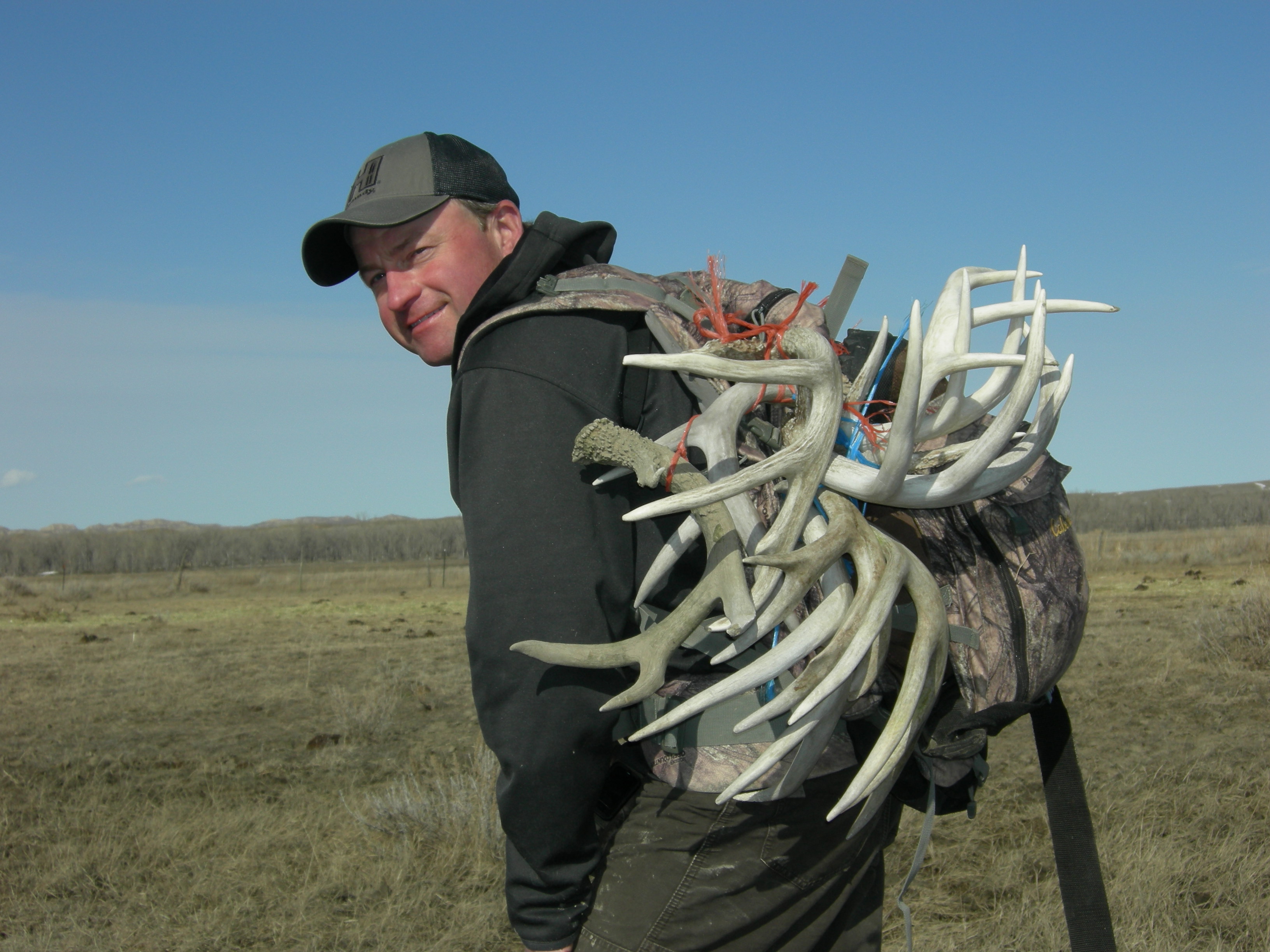

To find more shed whitetail antlers you need to look in antler-hot locations where deer will frequent or use going from one spot to another. Here are five top areas to snoop for more bone in your backpack.
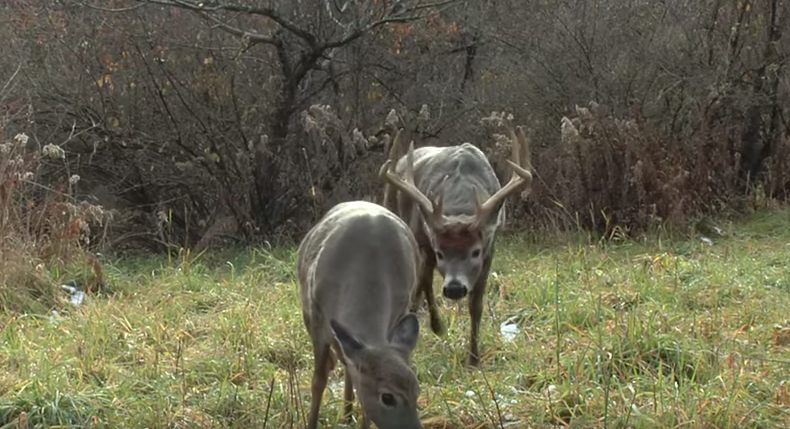
Charles Alsheimer became America’s foremost authority on whitetail behavior by studying them almost daily for more than 40 years.
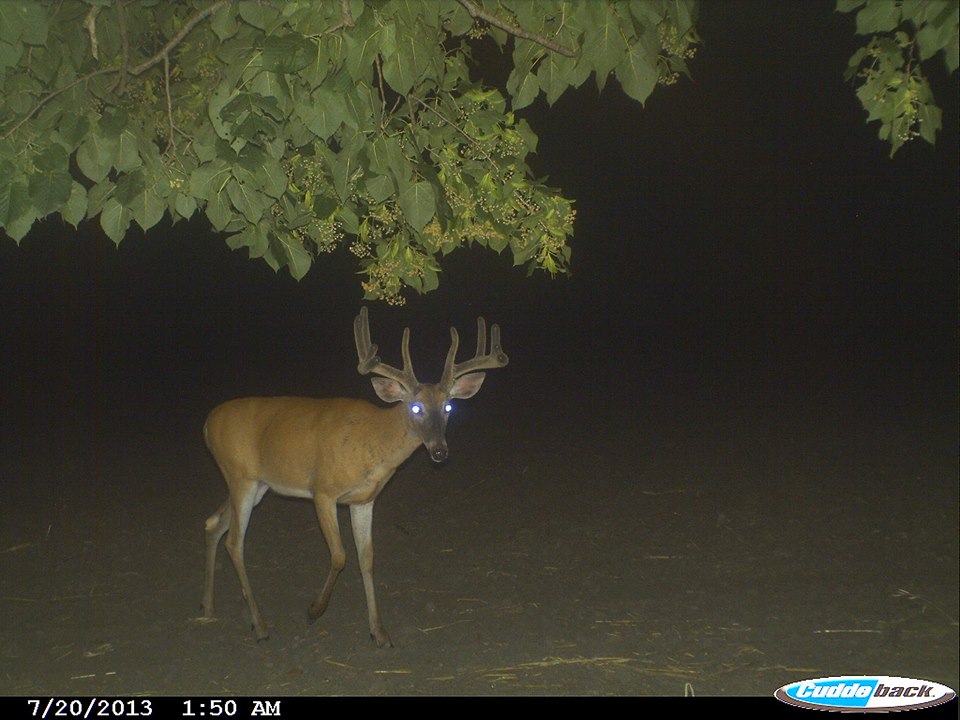
Can you mange genetics of wild deer though herd manipulation — killing specific deer — to achieve bigger bucks? That’s a question a lot of hunters and land managers ask and discuss.
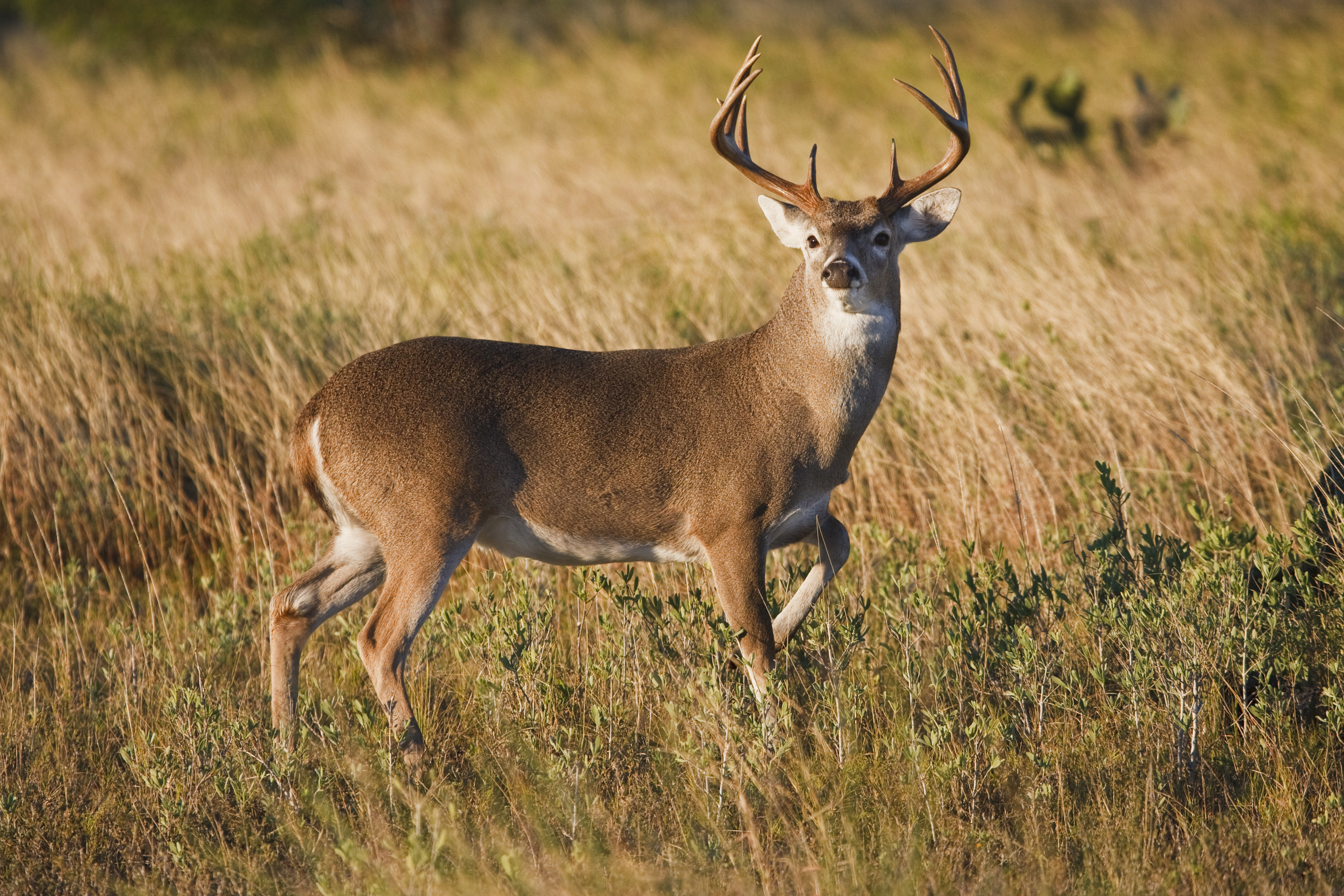
Recent biological studies demonstrate very clearly that white-tailed deer perceive their environment in fine detail and respond immediately to pressure.

Whitetail deer use many methods of communication, but their ability to detect chemical signals from other deer might be the strongest of their senses.

The key to ambushing white-tailed bucks skirting the edges of legal shooting hours is catching them early during their evening journeys.
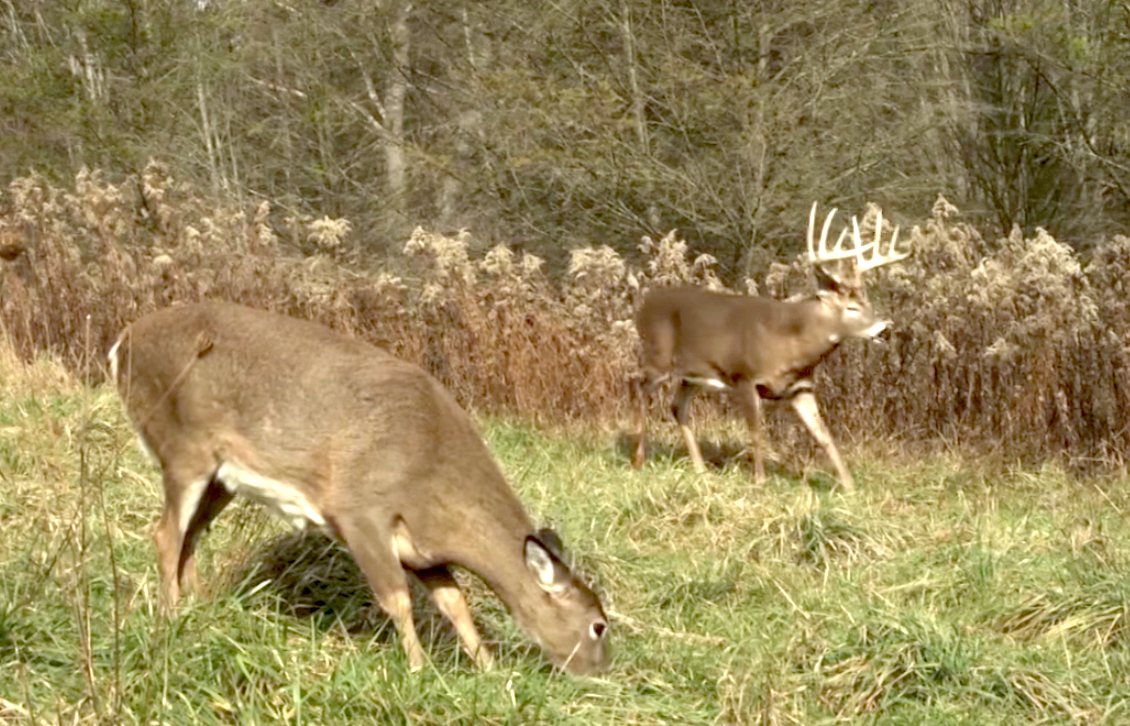
Research shows that hormones from a doe’s reproductive tract and associated vaginal secretions during the time of estrus are primary sexual attractants.

Bucks and does of all ages are readily attracted to man-made signposts, but what else can these fake rubs tell hunters about whitetail behavior?
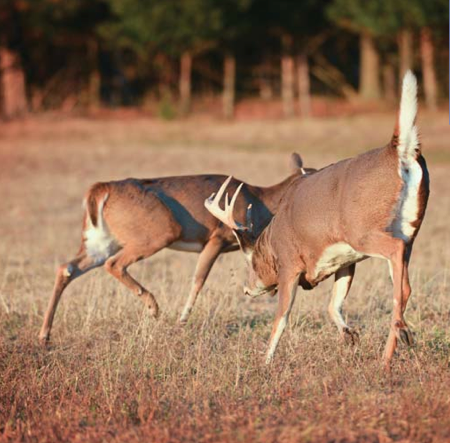
The whitetail breeding period, known as the rut, follows predictable stages of deer behavior. These changes dictate the effectiveness of hunting strategies.

A recent scientific study showed that some white-tailed deer are genetically resistant to chronic wasting disease, which is found in 22 states.