Examining your deer from head to hoof can give you insights on the herd and may help you understand more about them and your management strategy.


Examining your deer from head to hoof can give you insights on the herd and may help you understand more about them and your management strategy.
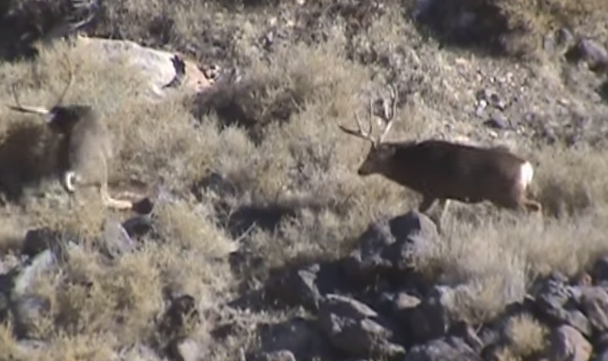
Two giant bucks fight to the death in a startling video that shows the cycle of life.
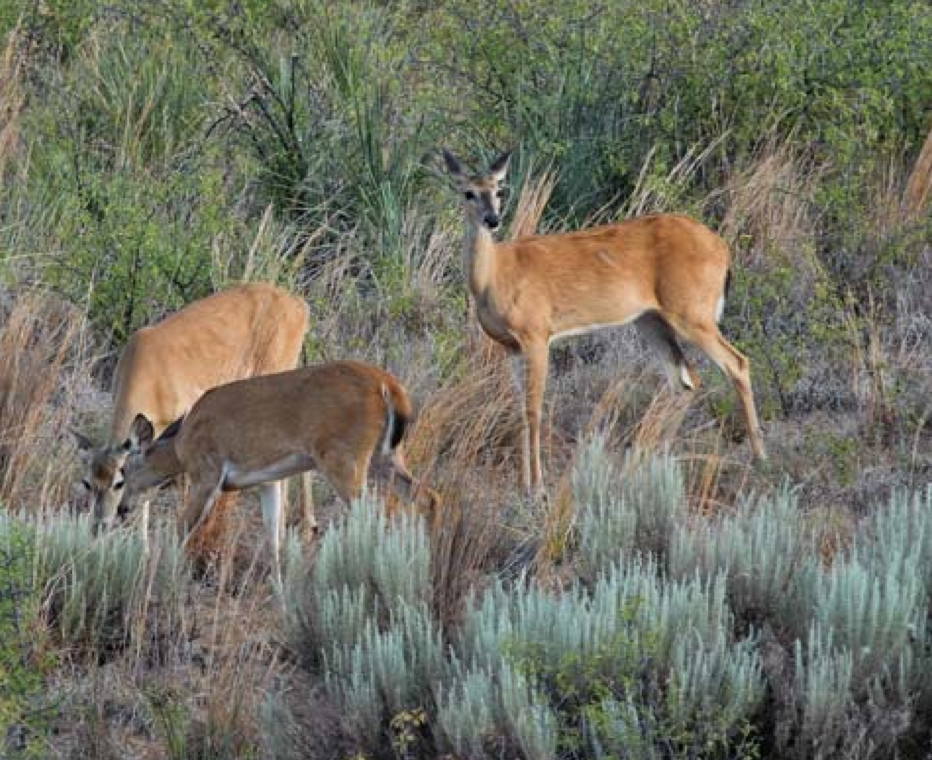
If you want to get an early jump on hunting Mr. Big, focus on dominant family groups of does. They are the ones most likely to go into estrus first.

Different species, even closely related ones, are normally kept from crossbreeding by geographical isolation but whitetail and mule deer are unique.

Wildlife typically aren’t bothered by the weather unless it gets really crazy, like in a hurricane or tornado, but these bucks definitely weren’t concerned about a serious lighting storm going on around them.
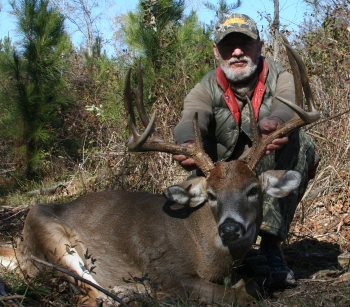
Whitetails make numerous reactions when a bullet or arrow impacts it that can provide useful information. One of the most interesting is the mule kick.
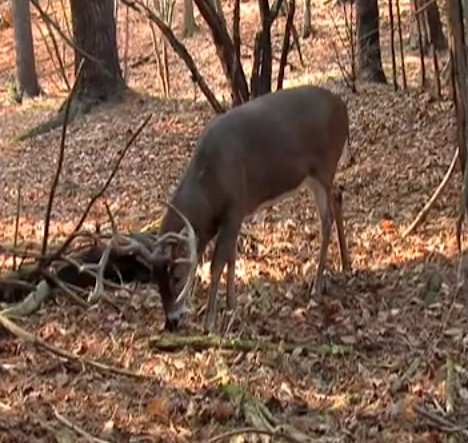
Acorns, persimmons and other mast are the candy of the forest that deer and deer hunters seek each autumn.
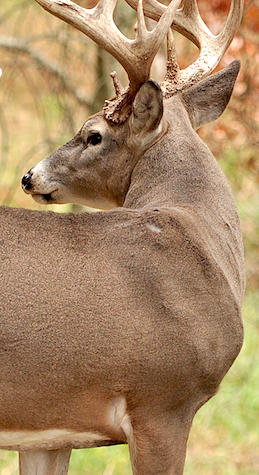
White-tailed deer are a prey species. Their sight, hearing and sense of smell are especially adapted to evade predators, human hunters included. While the whitetail’s ability to hear and smell potential danger is probably most critical for survival purposes, I’ve been impressed by their ability to detect even the slightest bit of potentially dangerous movement. […]
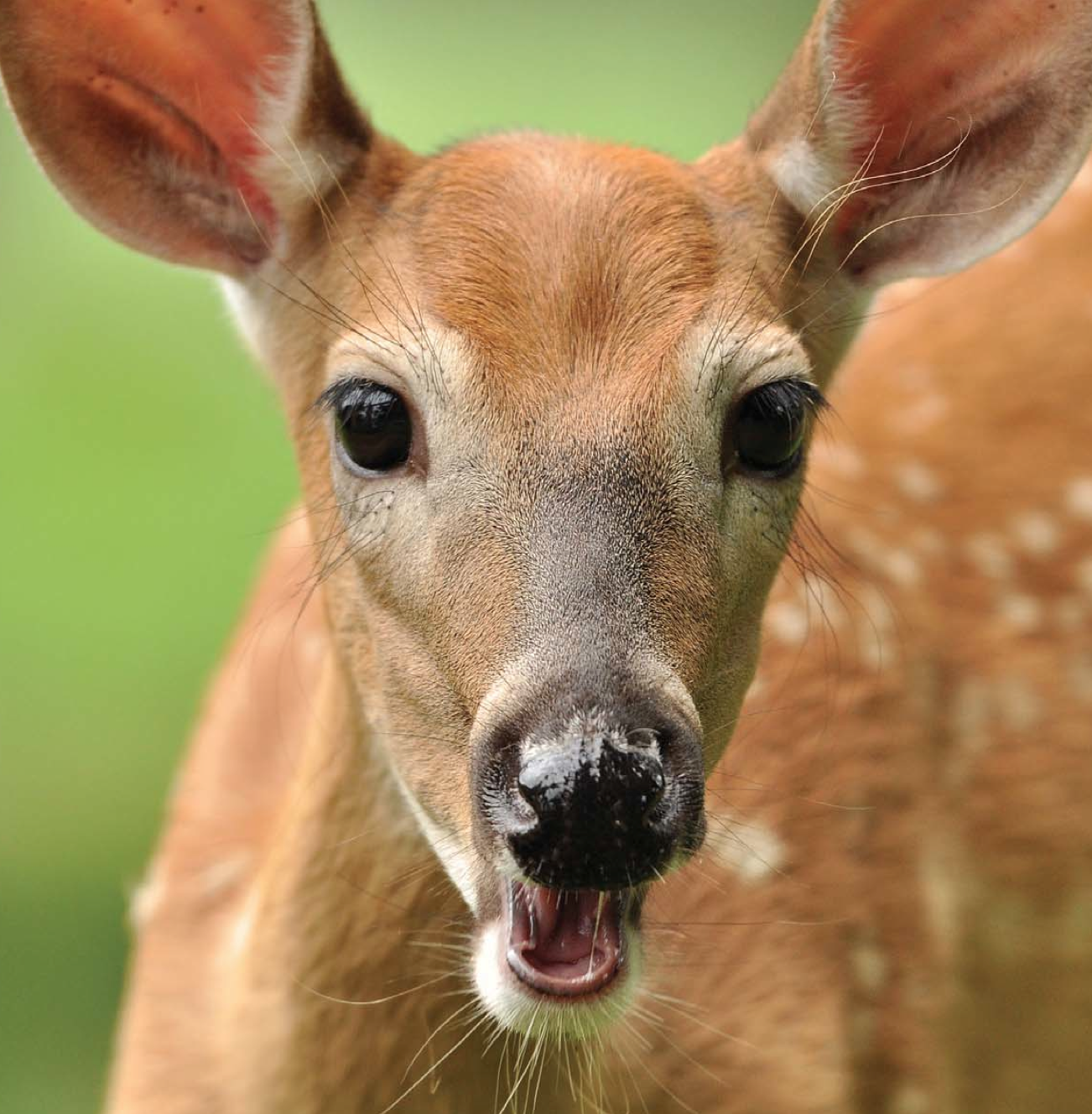
White-tailed deer are one of the most prolific deer species on Earth. Aside from being able to adapt to a wide variety of habitat conditions and environmental pressures, they can breed at a young age, produce more than one offspring per year and give birth at the most favorable time of the year.
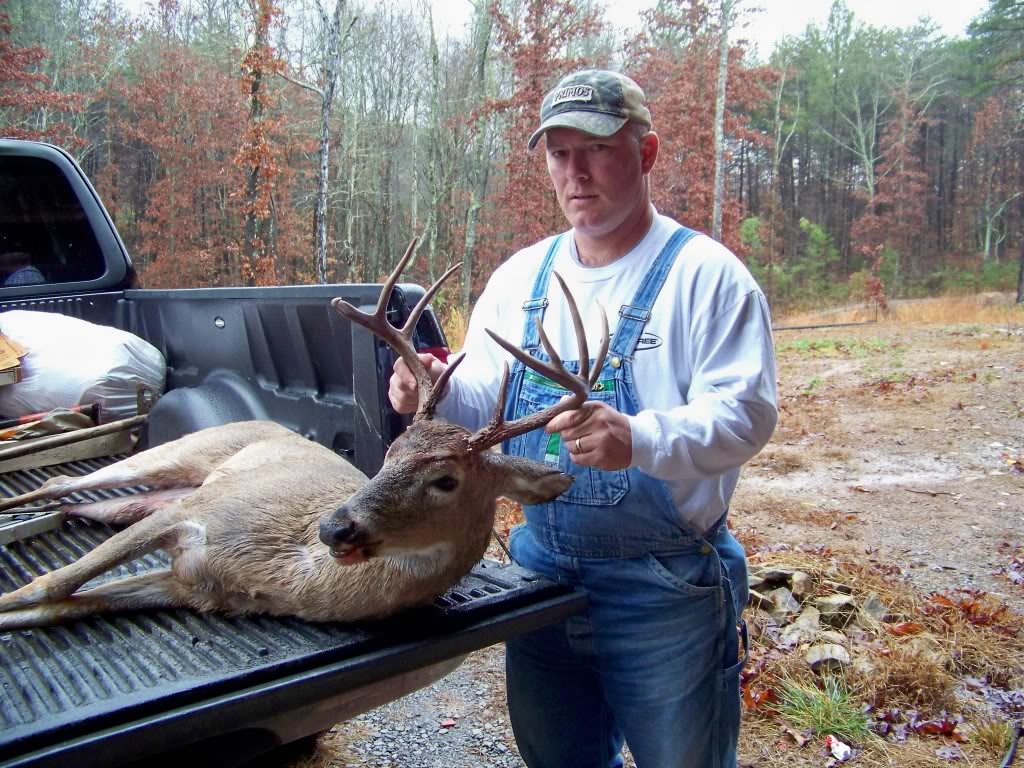
Even in the heaviest-hunted states, public-land gems can provide somewhat consistent opportunities to kill mature bucks if hunters are willing to work above and beyond their competition.