For better hunting success during deer season, it’s critical to understand the role that does play during the process of mate selection known as the rut.
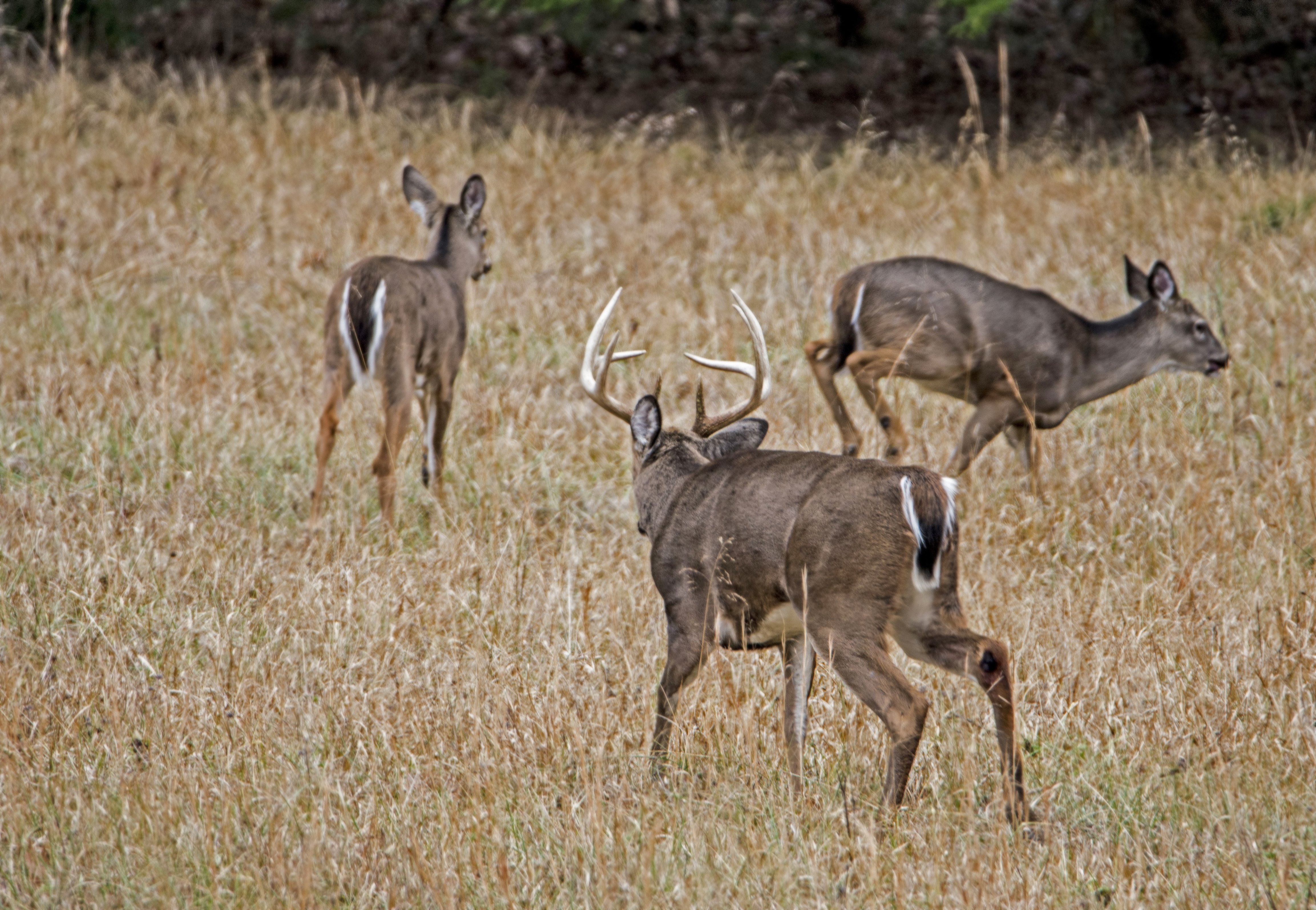

For better hunting success during deer season, it’s critical to understand the role that does play during the process of mate selection known as the rut.
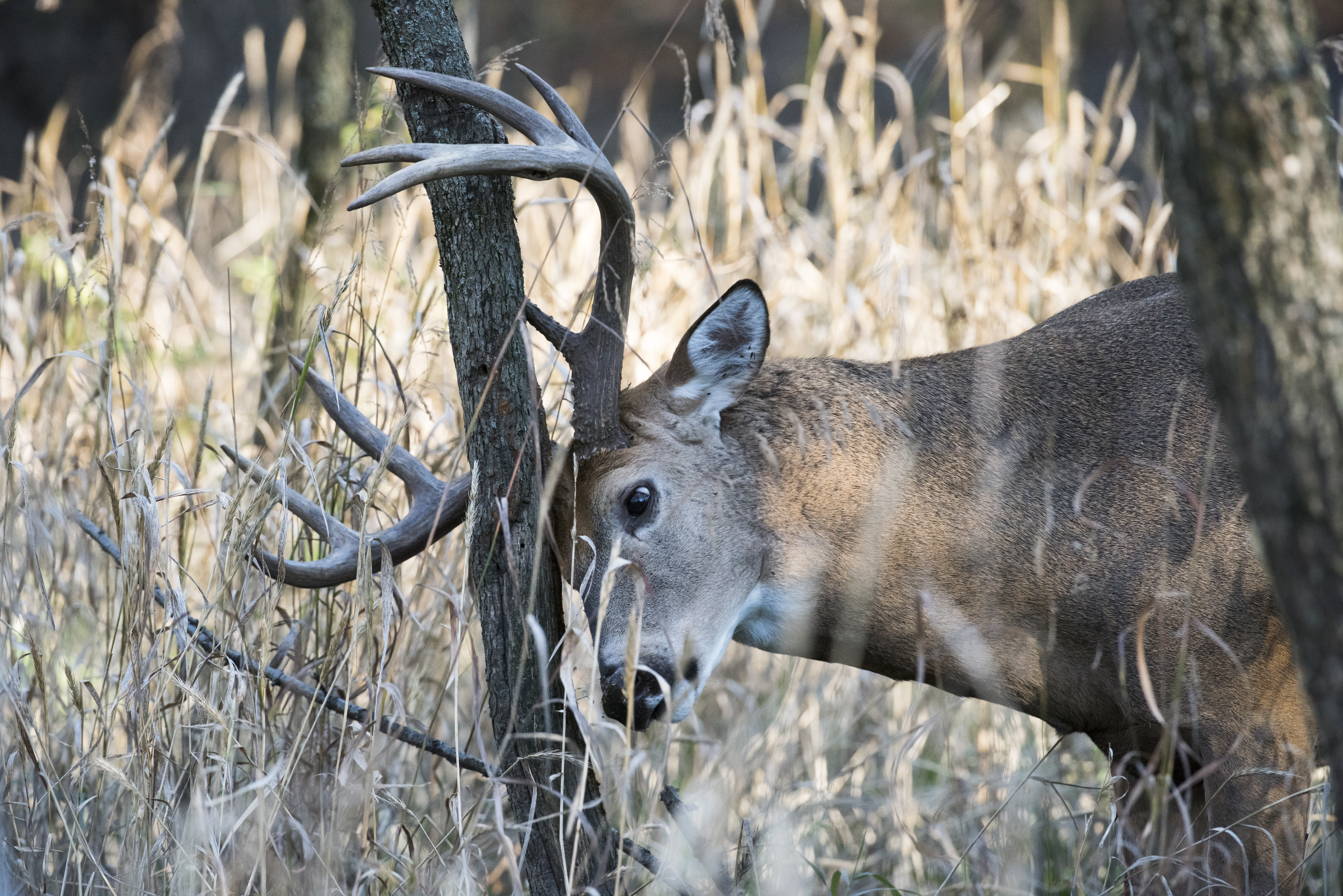
It’s no secret: age, nutrition and genetics always are the critical factors that can determine how big a whitetail buck’s antlers will grow.
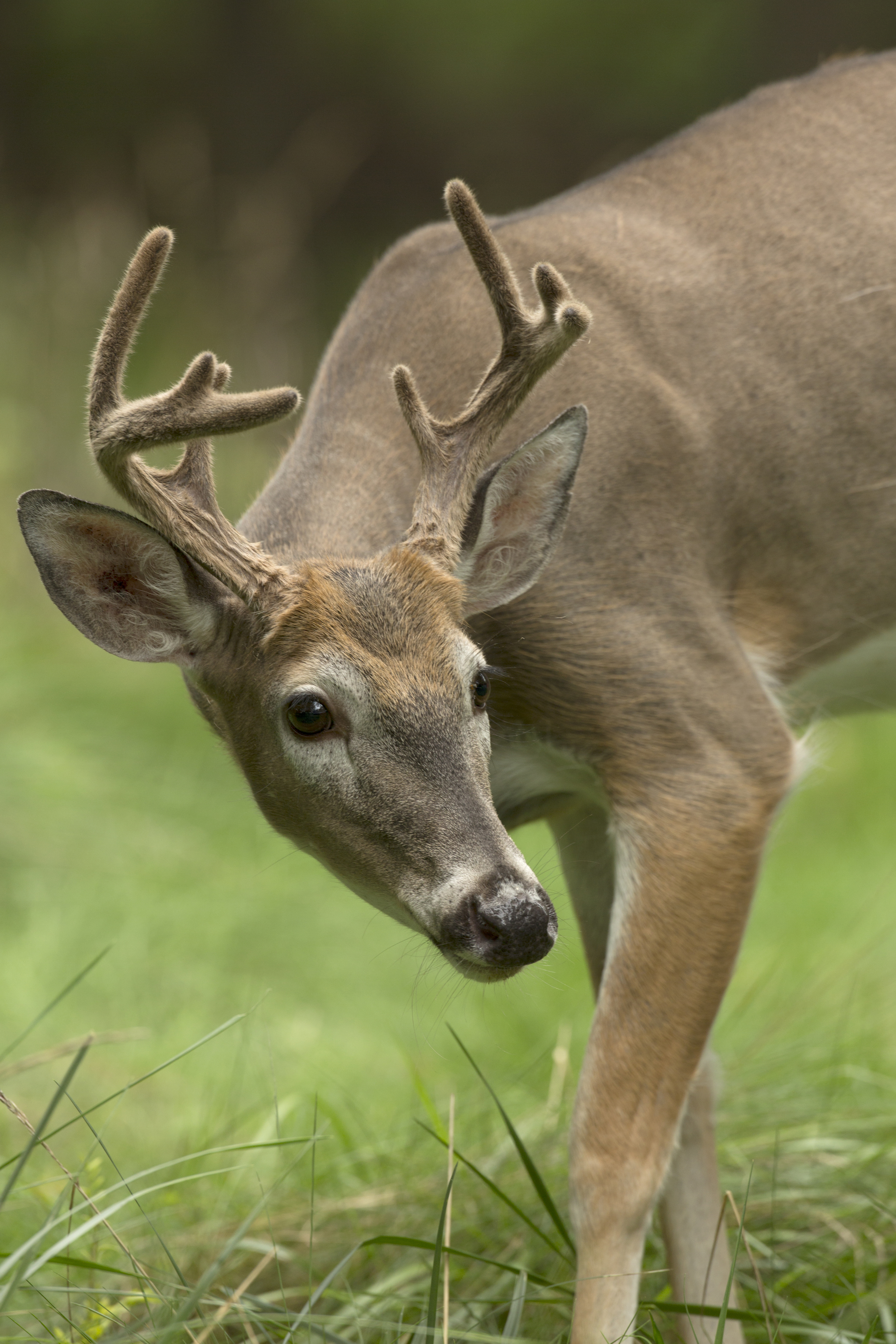
Research reveals how forest cover influences the annual movement of young white-tailed bucks when they disperse from their initial home area and relocate.

While most white-tailed bucks have somewhat symmetrical antlers, an injury to one of the deer’s extremities can drastically throw them out of balance.
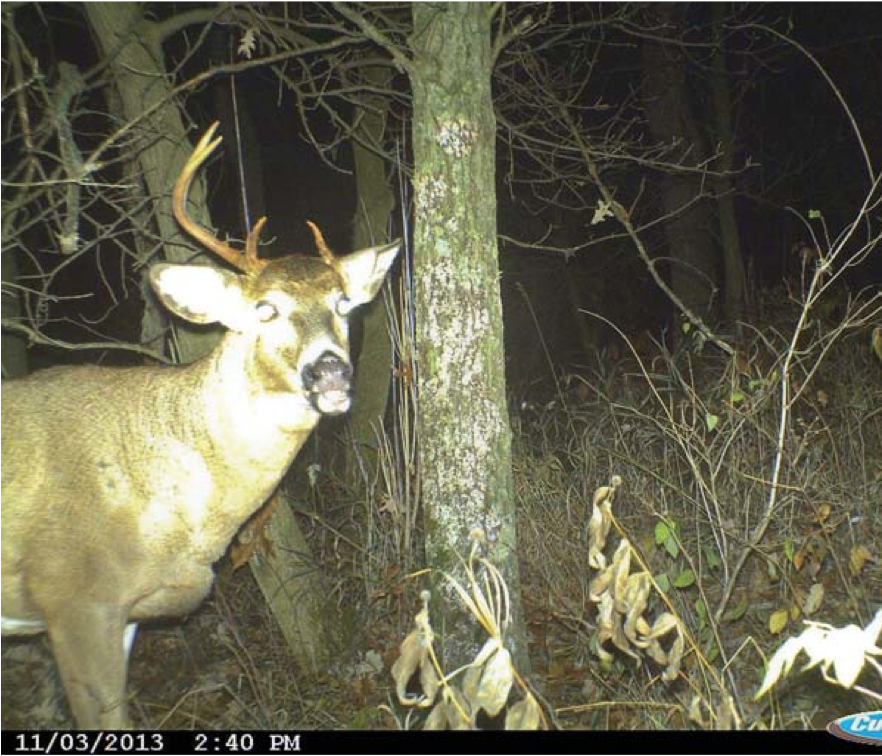
Can culling bucks with a spike on one side “get them out of the gene pool” or is this just one of deer hunting’s long-held and untrue myths?

With no uniform approach to battle chronic wasting disease, state wildlife officials must work with federal officials and each other to fight CWD.
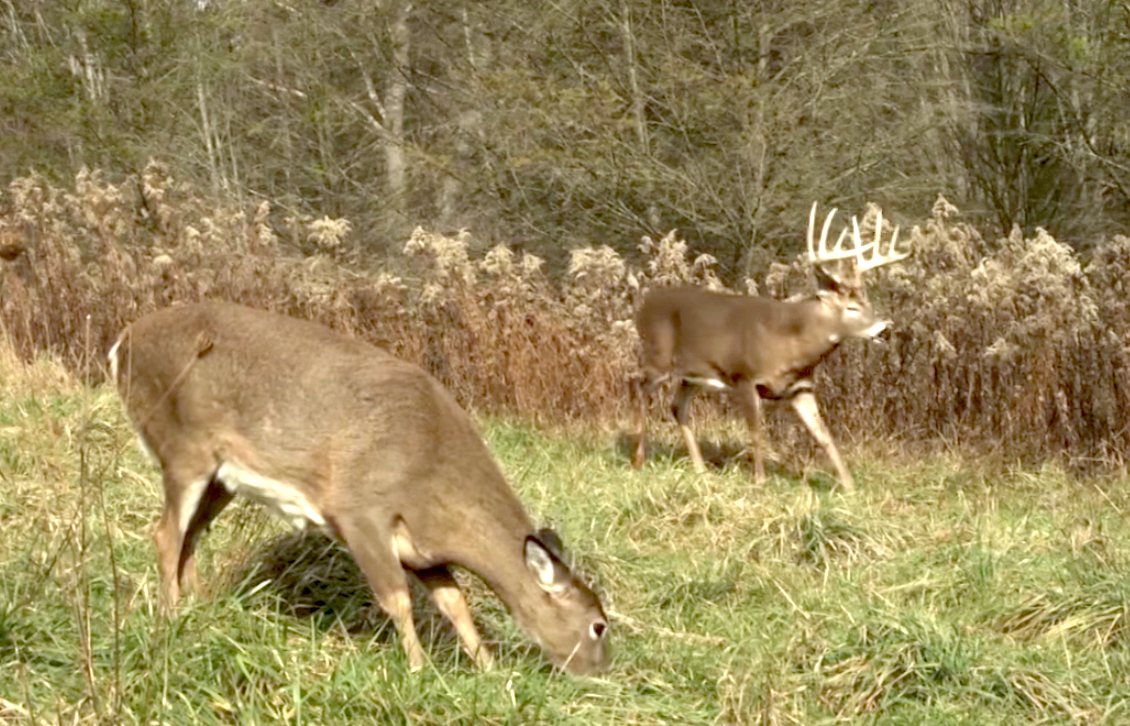
Research shows that hormones from a doe’s reproductive tract and associated vaginal secretions during the time of estrus are primary sexual attractants.

Chronic wasting disease was discovered in Norway in spring 2016 and also has been confirmed in South Korea, making it a worldwide problem.
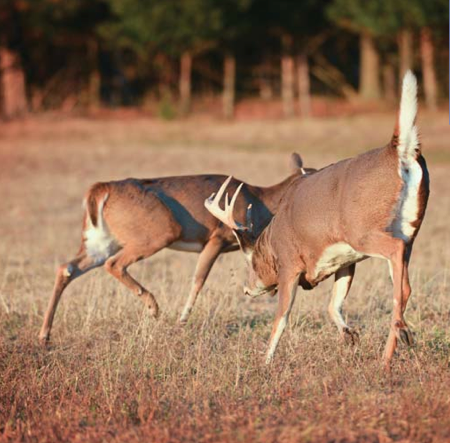
The whitetail breeding period, known as the rut, follows predictable stages of deer behavior. These changes dictate the effectiveness of hunting strategies.

Research into chronic wasting disease in white-tailed deer shows that infectious prions may be spread by the animals at food and water sources.