Scientific research shows white-tailed deer can transmit the prions that cause chronic wasting disease, and some of those ways may be surprising.


Scientific research shows white-tailed deer can transmit the prions that cause chronic wasting disease, and some of those ways may be surprising.
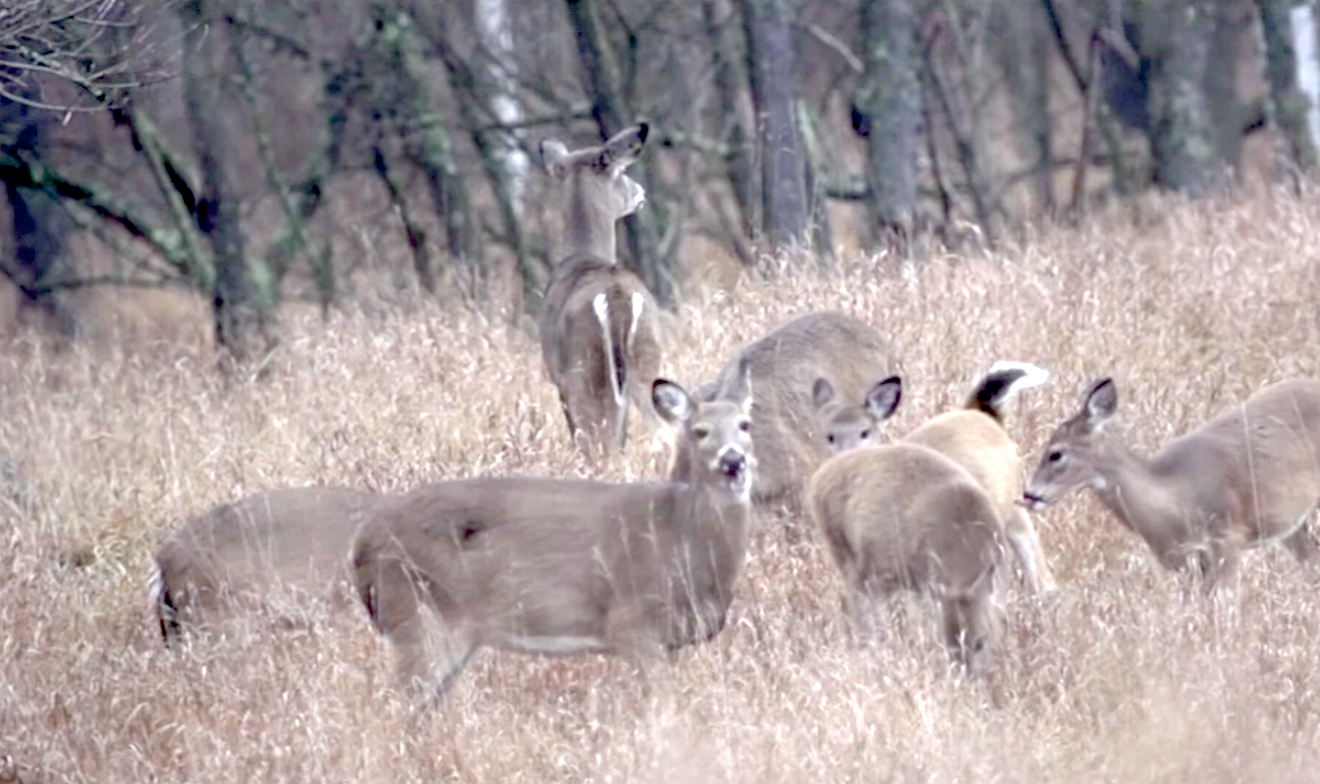
A research study confirms that maternal transmission of chronic wasting disease to fawns is possible via different pathways.

Top biologists, researchers, wildlife officials and others are gathering in Michigan this week to discuss chronic wasting disease in white-tailed deer.

A recent scientific study showed that some white-tailed deer are genetically resistant to chronic wasting disease, which is found in 22 states.

Want bigger bucks now? This three-step plan from Auburn University Deer Lab sheds light on the best ways to maximize food availability and keep costs low.

Examining your deer from head to hoof can give you insights on the herd and may help you understand more about them and your management strategy.

What happens with the does that don’t get bred during the first major part of the whitetail rut? You may have heard of a second rut, but is it real?
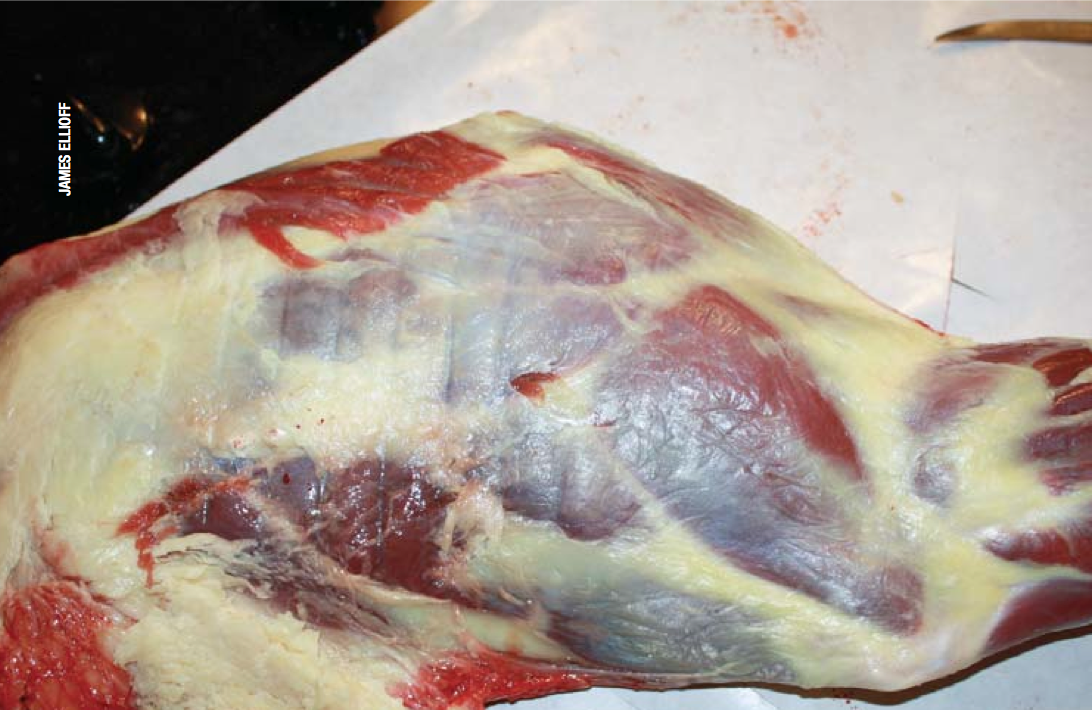
A deer’s sex, age and physical condition closer to winter are the three biggest factors affecting the color of fat that hunters see when processing a deer.
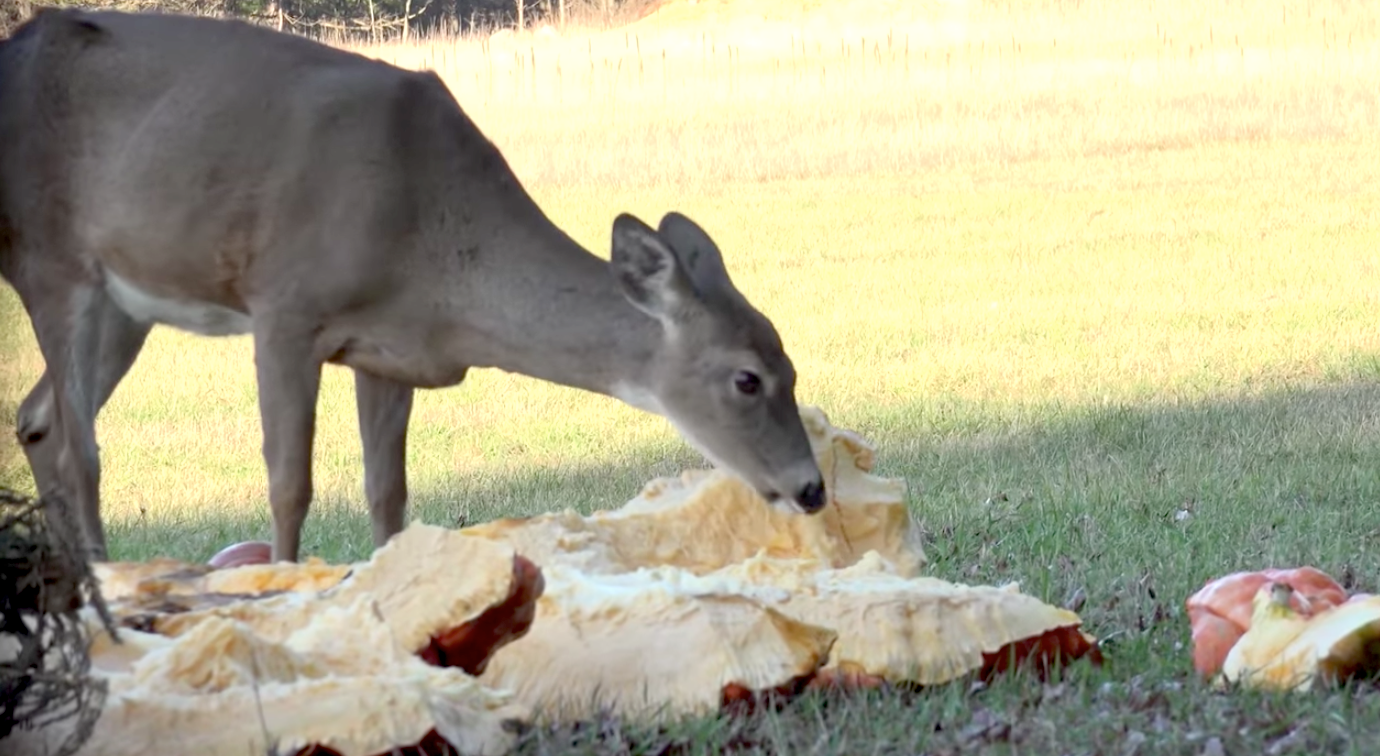
It’s a question hunters and land managers face and often discuss when talking about quality deer management: What is the true effect of baiting deer?
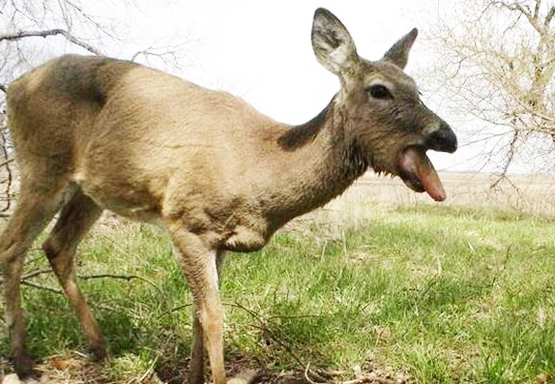
Epizootic hemorrhagic disease is one of the most important infectious diseases found in white-tailed deer, and can have a huge impact on populations.