Countering the ravages of mother nature’s fury on Northern deer herds.
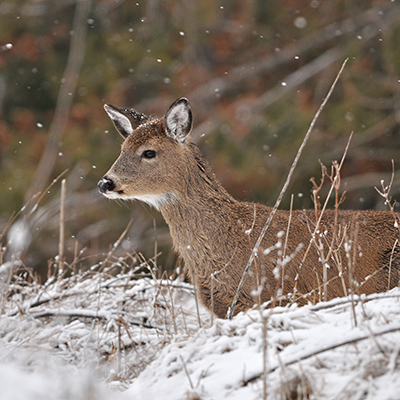

Countering the ravages of mother nature’s fury on Northern deer herds.
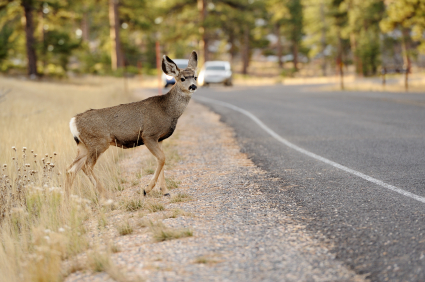
They’re hyped as a great way to help drivers on roads, but how effective are deer whistles to avoid vehicle collisions and do they really work?

Studies prove that observational deer herd estimates are highly unreliable for management strategies.
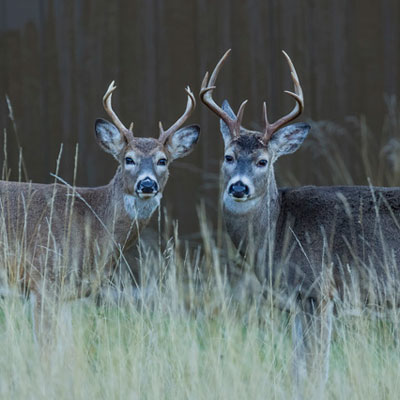
Take a look at how to reduce hunting pressure by diving into how deer respond to controlled hunting versus sharpshooting.

While they are considered crepuscular creatures, white-tailed deer are well adapted to see well under a wide variety of light conditions, day or night. Seasonally, whitetails are most active during late winter and early spring, and during the autumn breeding season, with a substantial decline in activity during summer. (Car-deer accidents follow the same pattern.) […]
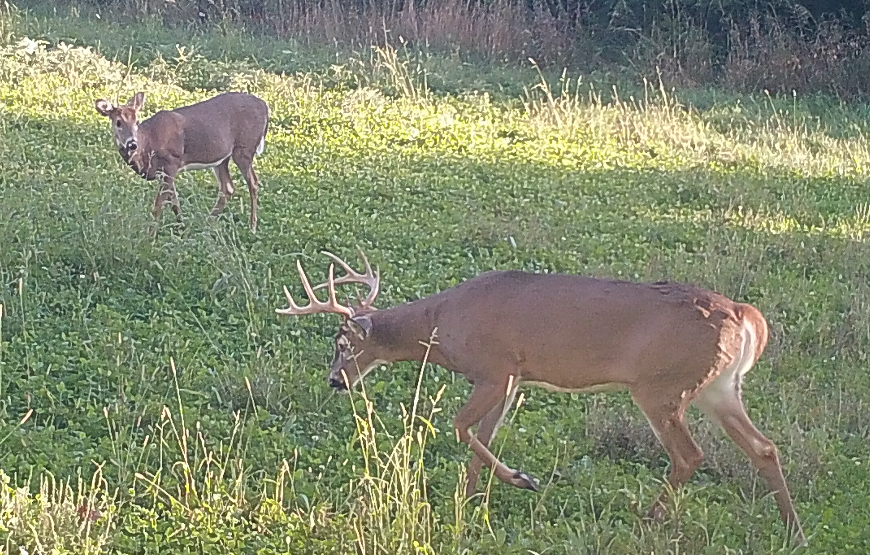
Will the so-called zombie deer disease jump to humans? According to a 50-year scientific study in a CWD endemic area, the answer is quite clear: this is not apocalyptic. There’s been a lot of talk lately about the risks involved with chronic wasting disease in deer. Can CWD be transmitted to humans? A recently completed […]
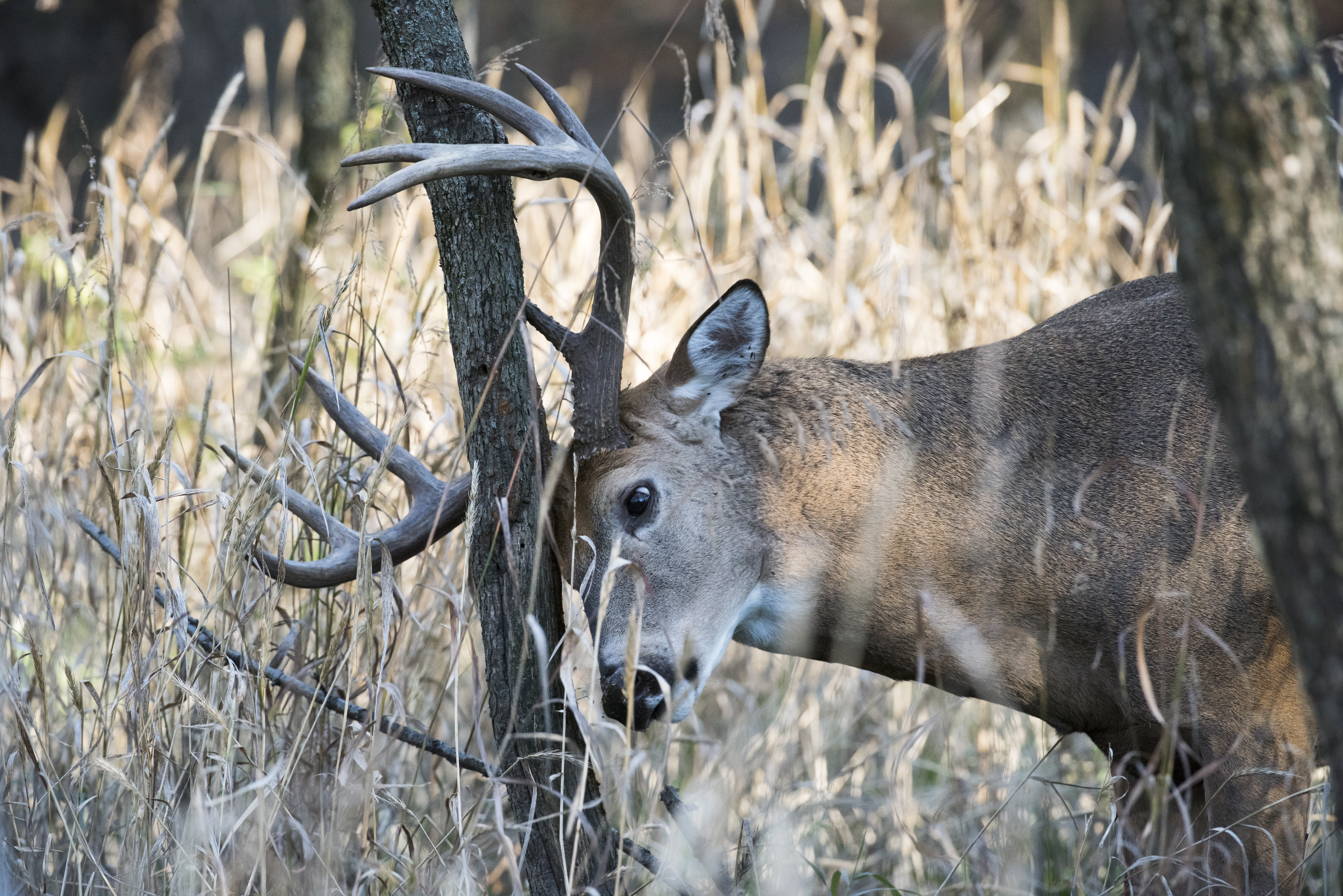
Here’s an in-depth look at what years of scientific research have revealed about buck rubs: The rut’s most visible signpost. A mature buck in rut, deprived of favorable tree stems for rubbing, will rub just about any type and size of tree — even fence posts and utility poles. However, scientific literature indicates bucks […]

Whitetail deer use many methods of communication, but their ability to detect chemical signals from other deer might be the strongest of their senses.
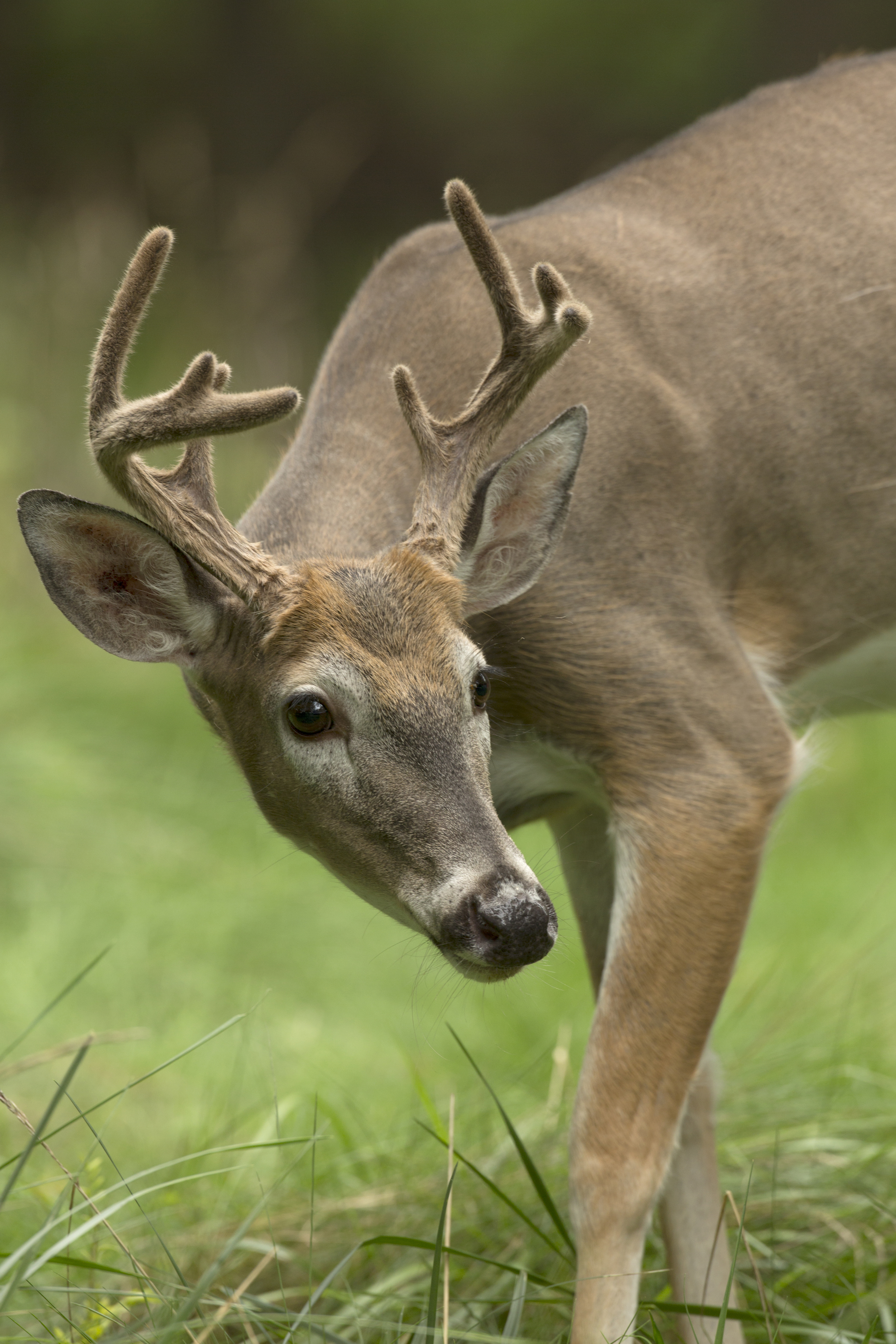
Research reveals how forest cover influences the annual movement of young white-tailed bucks when they disperse from their initial home area and relocate.
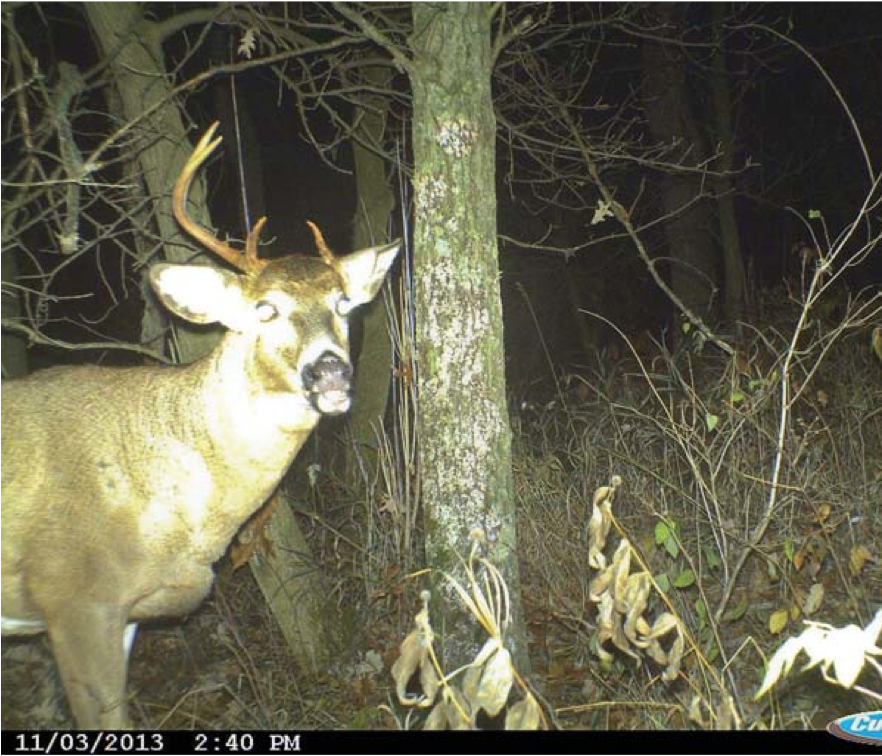
Can culling bucks with a spike on one side “get them out of the gene pool” or is this just one of deer hunting’s long-held and untrue myths?