You think you made a one-lung hit … now what? Daniel E. Schmidt explains how these shots happen and how to recover the deer
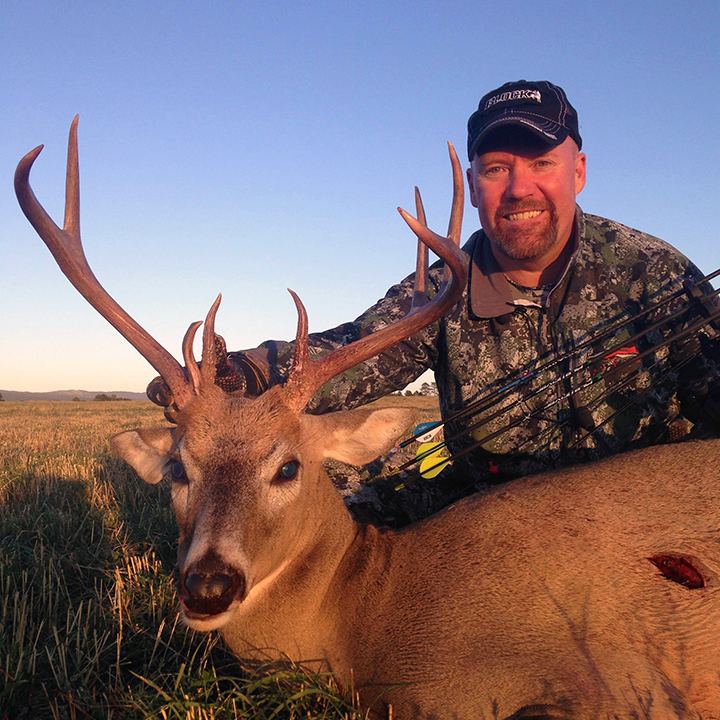

You think you made a one-lung hit … now what? Daniel E. Schmidt explains how these shots happen and how to recover the deer

The pioneer of using tracking dogs for recovering wounded big game in America, John Jeanneney, will be missed by many.

Knowing when to start tracking a deer makes for a better hunter. Understand when to go after a deer and when to wait after the shot.

Much has been written about tracking and trailing white-tailed deer over the years, but a few points are often overlooked. Successful blood trailing doesnxe2x80x99t require complicated strategies, but it does require that hunters pay close attention to simple details. Incorporate the following five rules into your game plan, and youxe2x80x99ll drastically improve your trailing […]
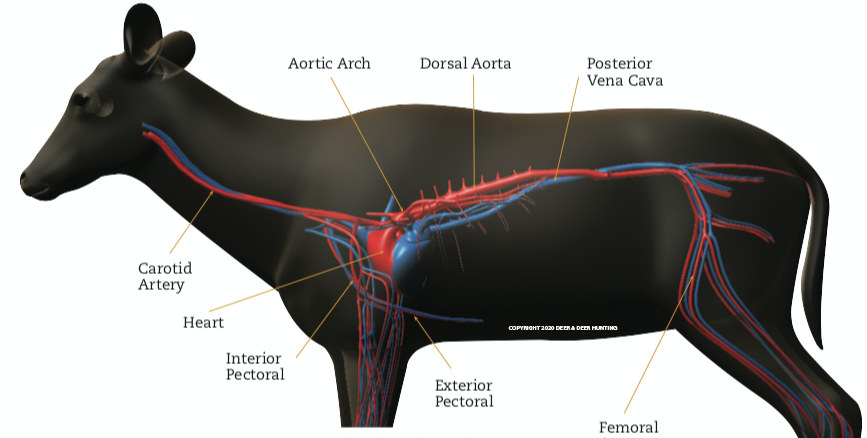
Perhaps it’s because I’m an admitted deer geek, but I find whitetail anatomy absolutely fascinating. It’s come to the point where — when I’m hunting and decide I’m going to shoot a deer — I can’t focus on the deer itself. I start focusing on bits and pieces of the deer. The whitetail’s arteries are […]
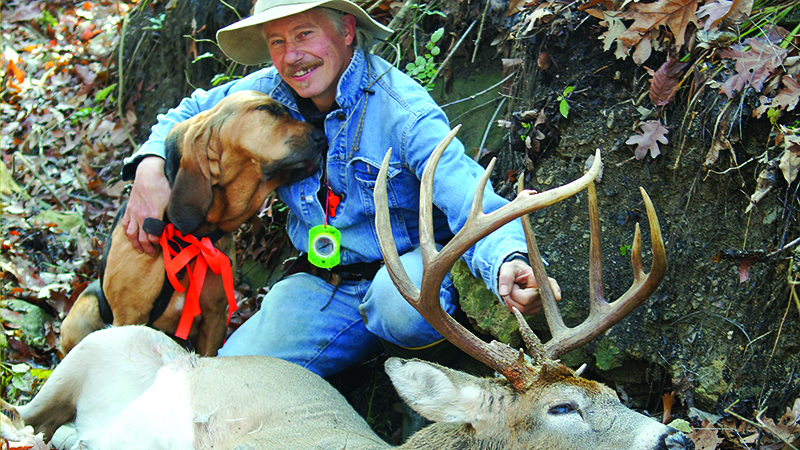
Bizarre bloodtrails often call for an all-out effort. When all else fails, it’s time to call in the hounds.
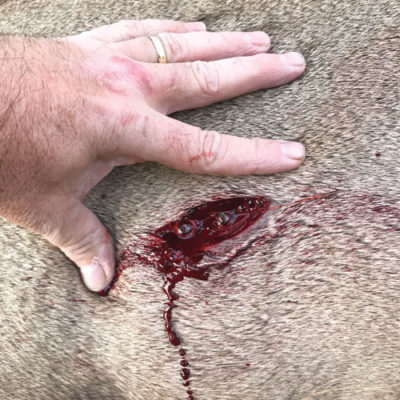
Taking home your trophy is much easier when you have a clear blood trail to follow. These are a few reasons why some blood trails stop short.

Dan Schmidt goes on an exhausting blood trail just to be reminded at the end of the hunt why he measures his successes in memories.
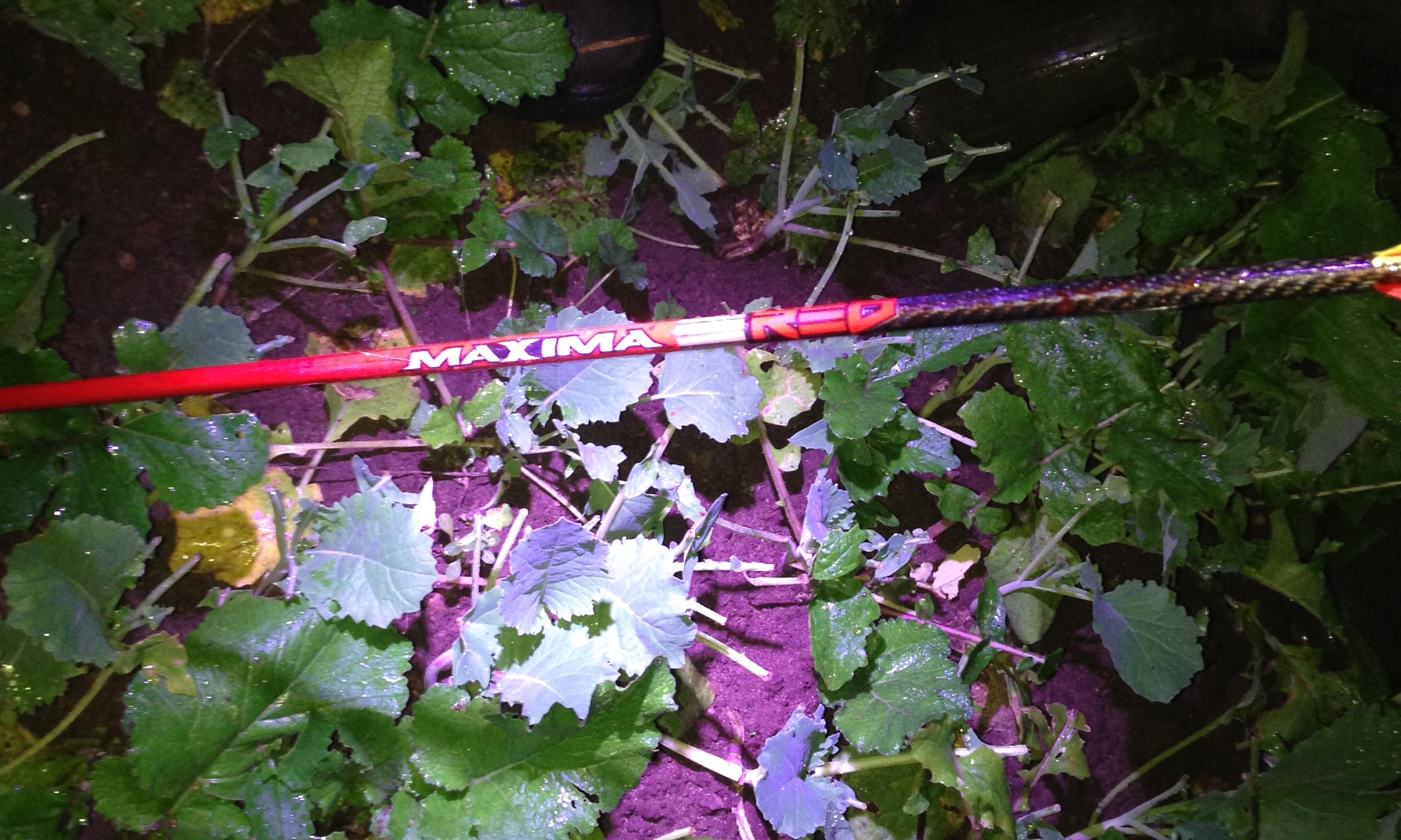
When I began hunting one of the most intriguing aspects was how my father could find deer based on the shot placement and what he saw on the ground.
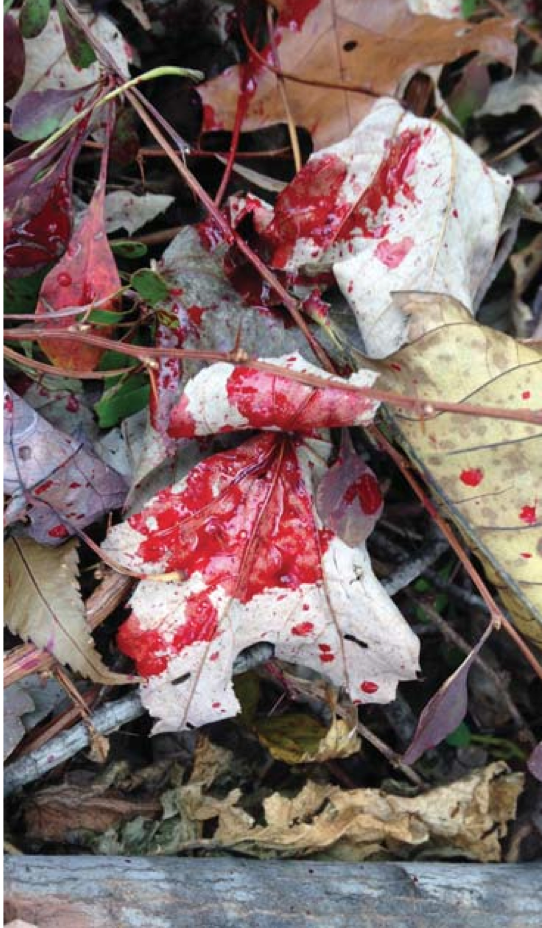
If the obvious bloodtrail ends after you shoot a deer, don’t give up hope. Trailing may become tougher but you can still find the deer with determination and understanding why the blood stopped.