A tagged white-tailed deer is a trophy, no matter its body size or the spread of its antlers. A mature buck may carry a little more weight as a prize, having survived a few bow and firearms seasons, but any deer represents skill, persistence, and a little bit of luck. Maybe you were simply in the right place at the right time, on purpose or by accident. Either way, you filled your role as a hunter and meat gatherer. That’s something to be proud of, and something worth recording with a good photo.
The truth is that a sloppy or careless photo can cheapen the moment. With a little preparation and some attention to detail, your pictures can honor the animal, tell the story of the hunt, and provide a keepsake you’ll be glad to show off for years to come.
1. Preparing the Deer
The first step in taking a good picture is making sure the deer looks presentable. Tuck the tongue inside the mouth so it isn’t hanging loose and wipe away any visible blood – on the deer, on yourself, or on the snow if you’re hunting in winter. If you used a drag rope, take it off before the picture and smooth down any ruffled hair it might have left behind.
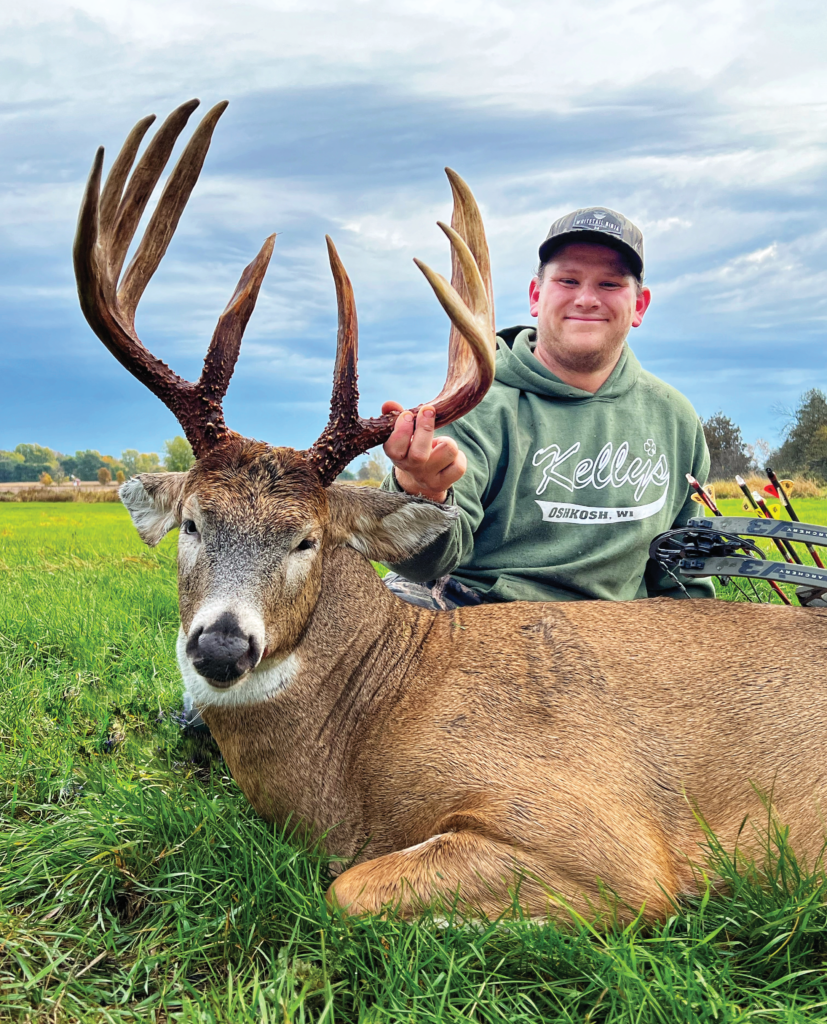
If the deer has already been field dressed, you’ll want to hide the cut. Position the animal so its back faces the camera, which also emphasizes the antlers, or kneel in front so the open belly isn’t in the frame. A little extra effort here makes a big difference in the final image.
2. Hunter and Deer Together
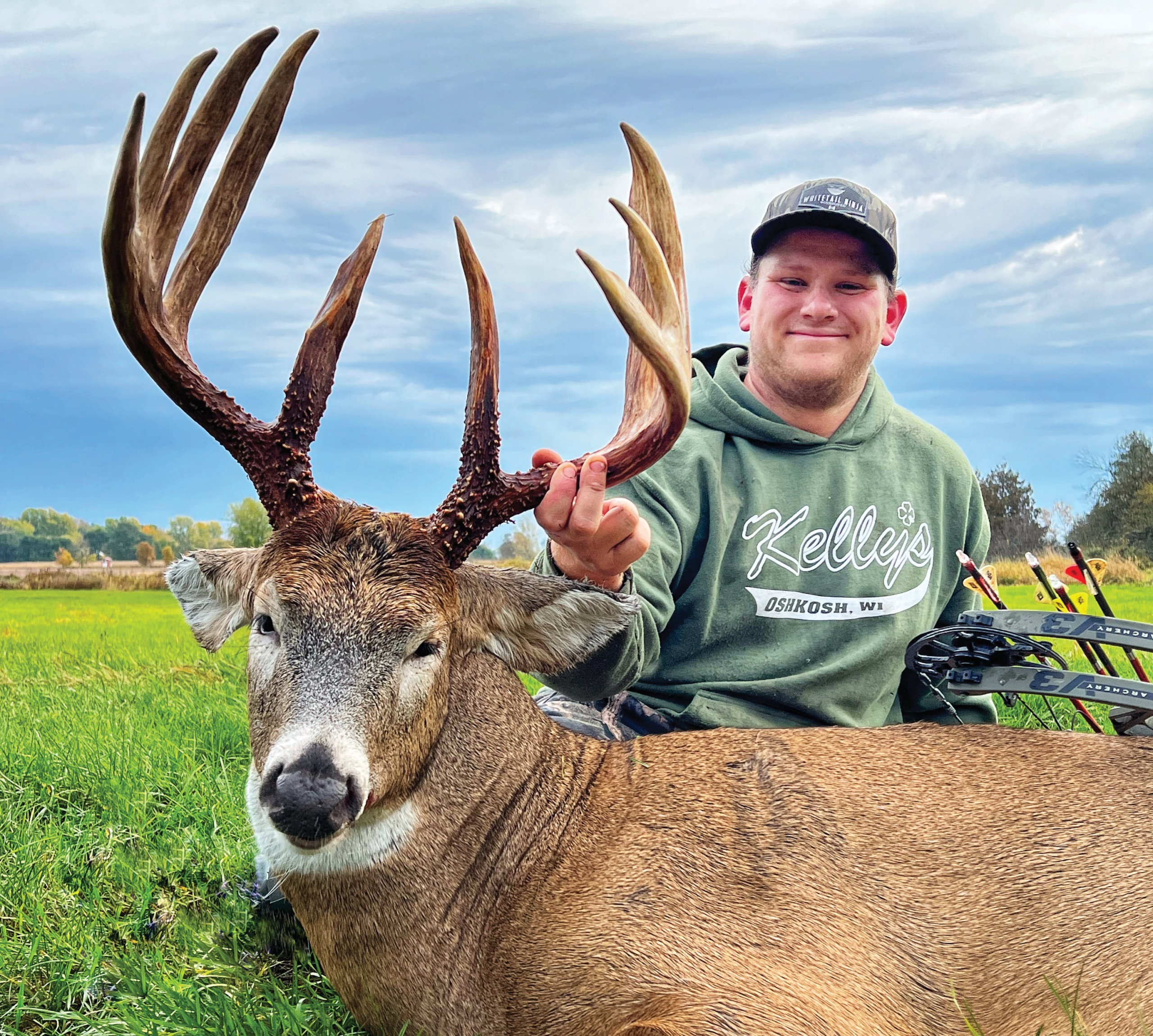
Once the deer is ready, think about how you’ll pose. A hand resting on the neck or chest while you look down admiringly makes a pleasant photo, and not every shot has to be you grinning into the lens. Folding the deer’s legs under it so it sits naturally on its belly also gives a cleaner look. From there, kneel behind the animal, raise its head slightly by an antler beam, and hold your bow or rifle upright in your free hand. The weapon should complement the scene, not dominate it.
If the buck has a nice rack, don’t be afraid to angle it toward the camera. If it’s a doe for the freezer, no problem – the same attention to neatness and pose will still make the photo something to be proud of.
3. Light, Angles, and Background
Good light is as important as good posing. Avoid pulling a hat brim low enough to shadow your eyes; tip it up so your eyes can be seen clearly. Viewers are drawn to the subject’s eyes first, so they should always be visible and sharp. Bright sun can cause squinting, so try shooting with the light coming from the side instead of directly in front. And don’t settle for just one frame – take several, both from a standing height and with the photographer kneeling at your level.
The background is just as critical. A driveway, a truck bed, or a roof rack won’t do your deer justice. Natural backdrops – a tree line, meadow, or hillside – are much more pleasing. A buck pole can make a good scene if deer are hung neatly by the head, but deer hanging high by their hind legs often look more like butcher-shop carcasses than trophies. That pose is better saved for when the skinning starts.
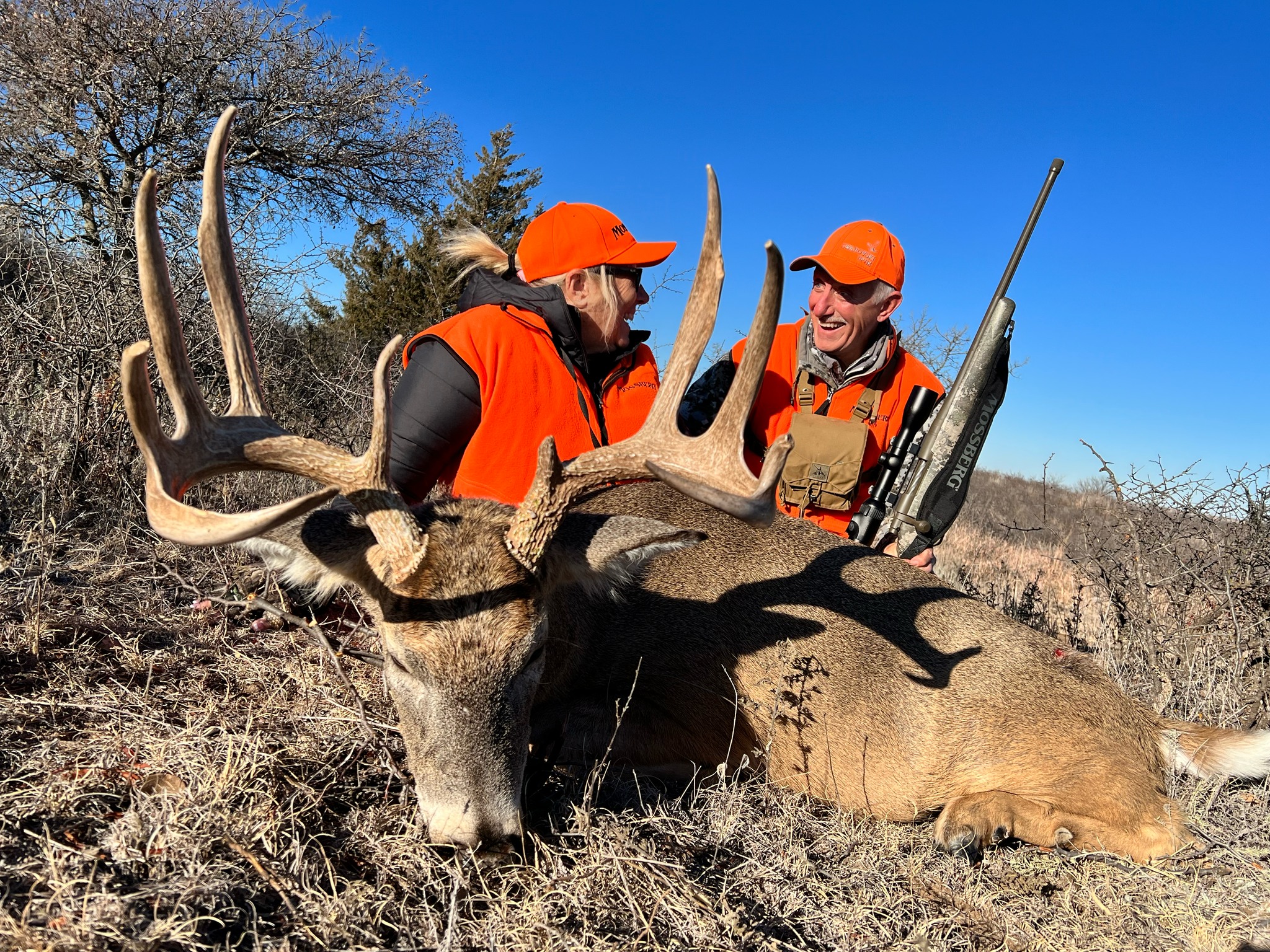
Action photos can also tell the story of the hunt. Shots of the hunter approaching the downed deer, leaning into a drag with the rope tight, or carting the animal out of the woods on a sled or two-wheeler can be both natural and memorable. These images show movement and effort rather than stiff staging.
4. A Bit of Family Fun
Of course, not every photo has to be serious. When my brothers and I were teenagers, we often got creative with the camera once the deer were home. We had a buck pole in our farm shed – nothing fancy, just a pole braced against the shed wall with a two-by-four – and after hanging the deer, we’d start experimenting.
The favorite trick was positioning one of us behind the pole, so it looked like we were leaning casually against it, hand flat to the wood, while the buck towered in the frame. With the right angle, the deer looked enormous and the hunter half-sized, a comical exaggeration of our actual success.
Getting the hand lined up perfectly was harder than it looked. “A little more to the right,” the photographer would say. “Too far. Now your hand looks stuck in the pole.” Or “Lean more. No, not that much, you’ll fall over.” After plenty of sidesteps, balance checks, and near collapses, we’d finally hear the magic words: “Don’t move!” Then the shutter would click, and we’d all break into laughter.
Sometimes the illusion worked beautifully, sometimes it didn’t. Either way, it became a family tradition – part of the fun of hunting, part of the storytelling, and often good for a laugh years later when the photos came back out of the shoebox.
Make the Moment Last
Whether you’ve tagged a heavy-horned buck or a freezer-filling doe, the deer you take is a trophy. Taking a little extra care with your photos honors the animal, preserves the memory, and gives you something you’ll be proud to share. In the end, the hunt may only last a few hours, but the photos will last a lifetime.
Read more articles by the author: