From a deer habitat perspective, here are six of the worst invasive species you can find on a property.
The mere presence of these woody invasives can change the structure of a woodland understory, suppress oak regeneration, and reduce the diversity of native browse and cover that whitetails historically used. Interestingly, deer will often bed in multiflora rose and browse young buckthorn, but that doesn’t outweigh the long-term habitat damage these species cause.
1. Common Buckthorn

Common buckthorn is one of the most aggressive invasive shrubs in whitetail country. It forms dense thickets that choke out native understory plants and prevent young trees — especially oaks — from regenerating. Over time, areas dominated by buckthorn become biologically stagnant, offering very little in terms of high-quality deer browse.
While deer will nibble on young buckthorn growth, it’s not a preferred or nutritious food source compared to native options. The plant also alters soil chemistry, making it harder for native species to come back even after removal. Left unchecked, common buckthorn can quickly take over fence rows, woodlot edges, and entire understories.
2. Glossy Buckthorn
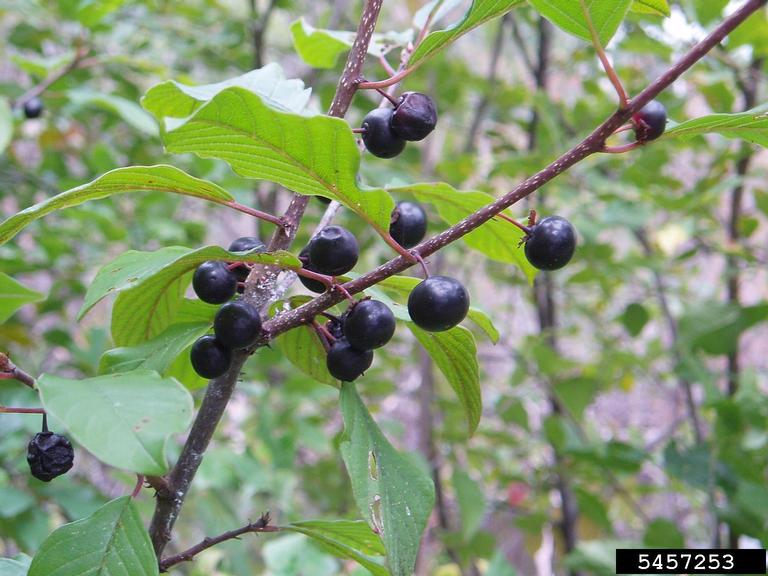
Glossy buckthorn thrives in moist soils and is especially problematic around wetlands, creek bottoms, and low ground. Like its cousin, it forms thick, impenetrable stands that crowd out native shrubs and forbs, reducing plant diversity and wildlife value.
It spreads rapidly by seed, often carried by birds, and once established, it’s extremely persistent. Glossy buckthorn alters habitat structure in a way that limits movement and reduces the availability of desirable browse. Over time, areas infested with this shrub become less productive for deer and other wildlife.
3. Japanese Barberry
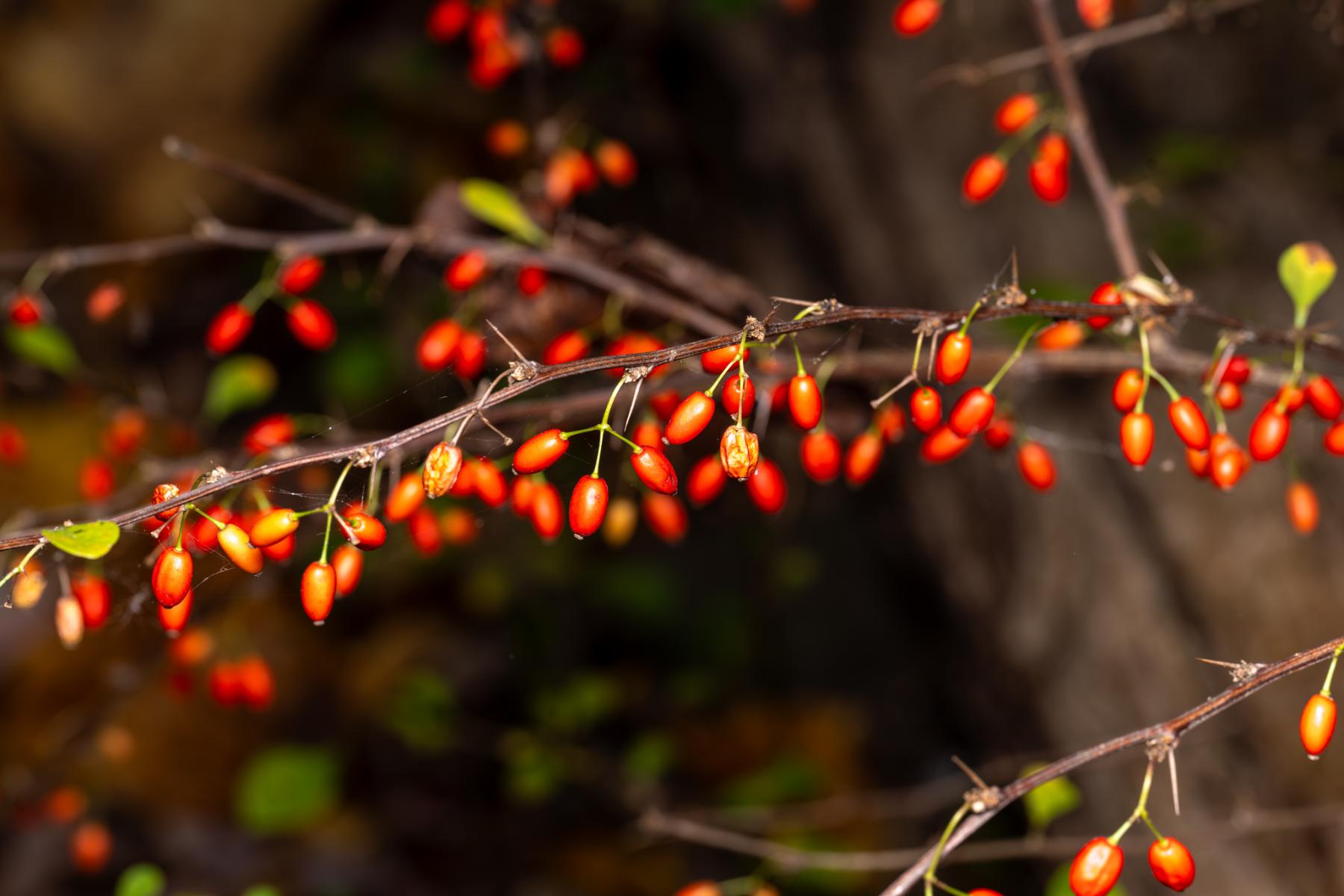
A growing concern across North America, Japanese barberry forms dense understory cover, creating ideal habitat for ticks. Scientific research has shown areas with thick Japanese barberry report higher incidences of Lyme disease. Barberry is very difficult to walk through, thanks to its sharp spines, and is equally difficult to control once established.
It shades out native vegetation and creates a monoculture beneath the forest canopy. While it may provide some cover, the tradeoffs in habitat quality — and the added human health concerns — make it one of the worst shrubs to tolerate on your property.
4. Bush Honeysuckle
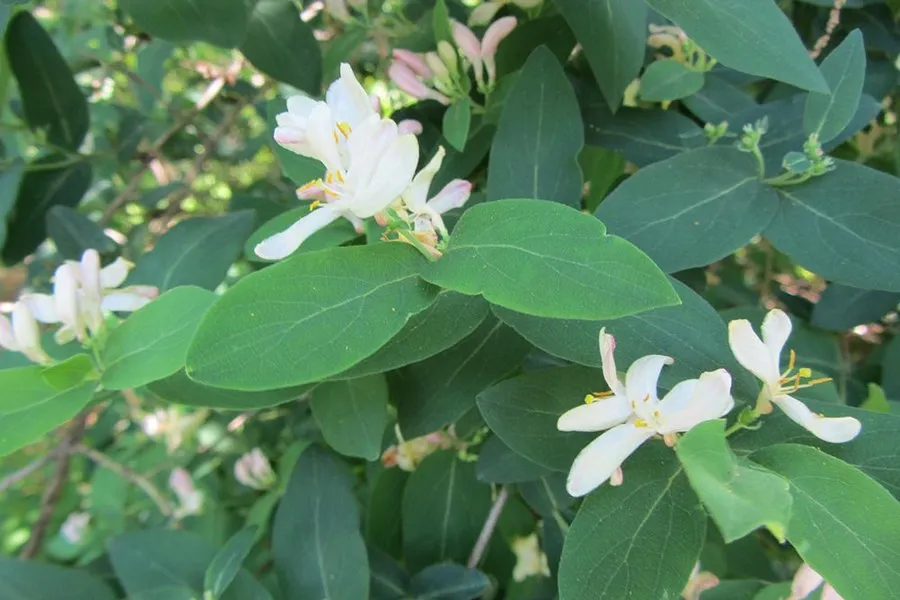
Bush honeysuckle gets a head start on everything else. It leafs out earlier in the spring and holds its leaves longer into the fall than most native shrubs, giving it a competitive advantage that allows it to dominate the understory.
This extended growing period lets it shade out native plants and reduce overall diversity. It also produces large quantities of berries that birds spread across the landscape, accelerating its invasion. The result is a thick, uniform understory that lacks the variety of forage and structure deer rely on throughout the year.
5. Multiflora Rose
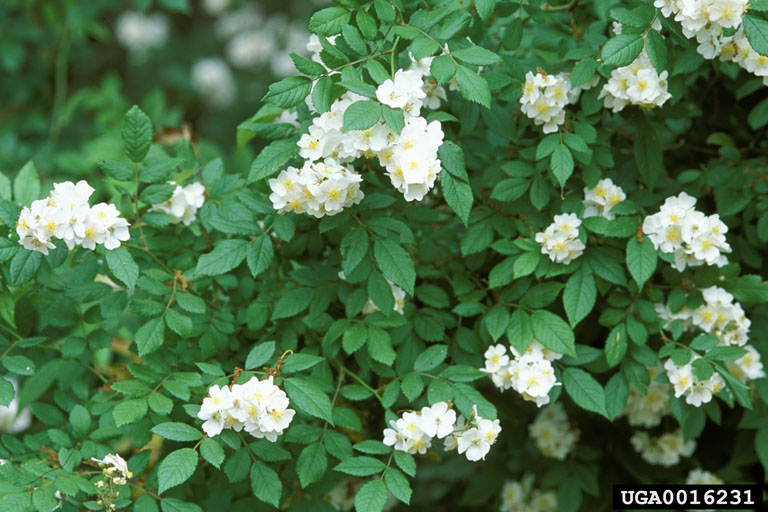
Multiflora rose is often mistaken for “good cover” because deer will bed in it, but it comes at a steep cost. This shrub forms massive, thorny thickets that are nearly impossible to walk through and completely crowd out native vegetation.
It spreads aggressively by seed and by arching canes that root when they touch the ground. Over time, it takes over old fields, fence lines, and woodland edges, replacing diverse habitat with a single, low-value plant. While it offers short-term bedding appeal, it ultimately reduces the overall carrying capacity of the property.
6. Autumn Olive
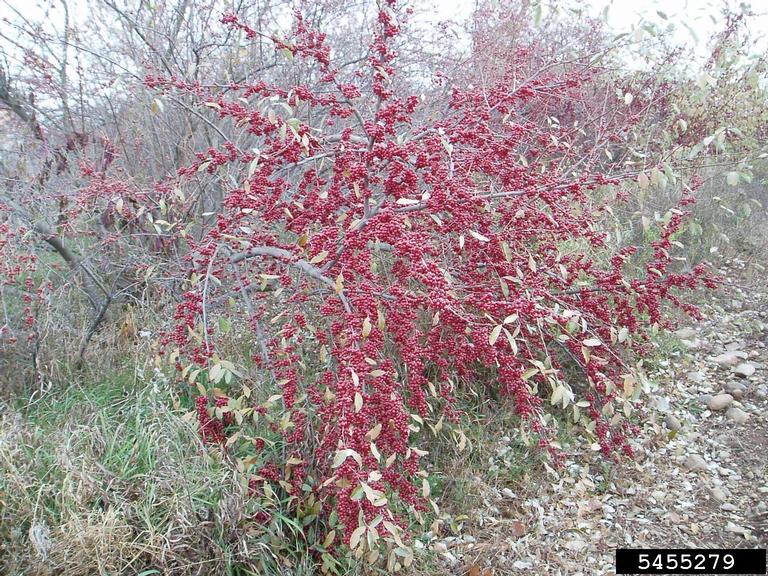
Autumn olive is one of the fastest-spreading invasive shrubs on abandoned farmland and open ground. It produces heavy crops of small berries that birds readily eat and distribute, allowing it to spread quickly across large areas.
Once established, it overtakes old fields and prairie plantings, forming dense stands that crowd out native grasses and forbs. Although deer will occasionally browse it, autumn olive doesn’t provide the same nutritional value or habitat benefits as native species. Left unmanaged, it can quickly undo habitat improvement efforts and dominate an entire property.