
Food plots, mineral sites, bedding cover, and travel corridors often get most of the attention when land managers work to improve habitat for white-tailed deer. Yet one of the most important resources on any property is often overlooked: clean, dependable water.
A mature white-tailed deer can require several quarts of water per day, with demand increasing during hot weather, antler growth, lactation, and periods of drought. When quality water becomes limited, deer often alter their movement patterns and may reduce feeding activity. Maintaining reliable water sources can play a major role in overall herd health and habitat quality.
For hunters and land managers who utilize wildlife ponds, one challenge is keeping those water sources healthy throughout the year.
The Hidden Problem with Wildlife Ponds
Over time, many wildlife ponds accumulate organic debris, leaves, sediment, algae-producing nutrients and muck. As this material builds up, water quality can decline, odors may develop, and the pond ecosystem can become less productive.
Natural ponds are constantly receiving organic matter from surrounding vegetation, runoff, and wildlife activity. Without management, excessive nutrient loads can contribute to murky water and increased sludge accumulation.
For properties that rely on small ponds or water holes to attract and support deer, maintaining water quality becomes an important part of habitat management.
How Armor H2O Supports Wildlife Water Sources
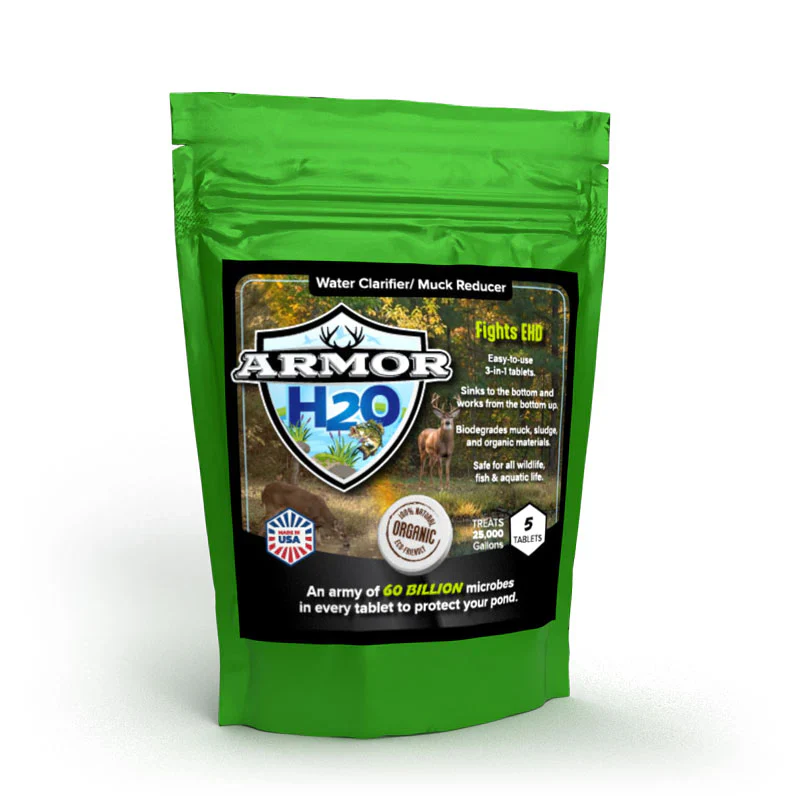
Armor H2O Wildlife Pond Treatment is designed specifically for natural and man-made wildlife ponds. Each tablet contains billions of beneficial microbes, probiotics, and enzymes that work to break down organic matter and support a healthier aquatic ecosystem. According to the manufacturer, the treatment helps:
- Reduce sludge and organic sediment buildup
- Improve water clarity
- Reduce excess ammonia, nitrites, nitrates, and phosphates
- Eliminate foul odors caused by organic decomposition
- Support biological filtration and pond balance
- Remain safe for wildlife, fish, and aquatic species when used as directed
Unlike chemical treatments that may temporarily address symptoms, beneficial bacteria work naturally by accelerating the breakdown of accumulated organic material.
Better Water Can Mean Better Habitat
White-tailed deer depend on water not only for hydration but also as part of their daily movement patterns. Properties with dependable water sources often become focal points for wildlife activity, especially during dry periods.
By reducing muck and improving overall pond conditions, land managers can help maintain water sources that remain functional throughout the year. Cleaner water and reduced organic buildup may also contribute to a healthier pond ecosystem that supports a variety of wildlife species.
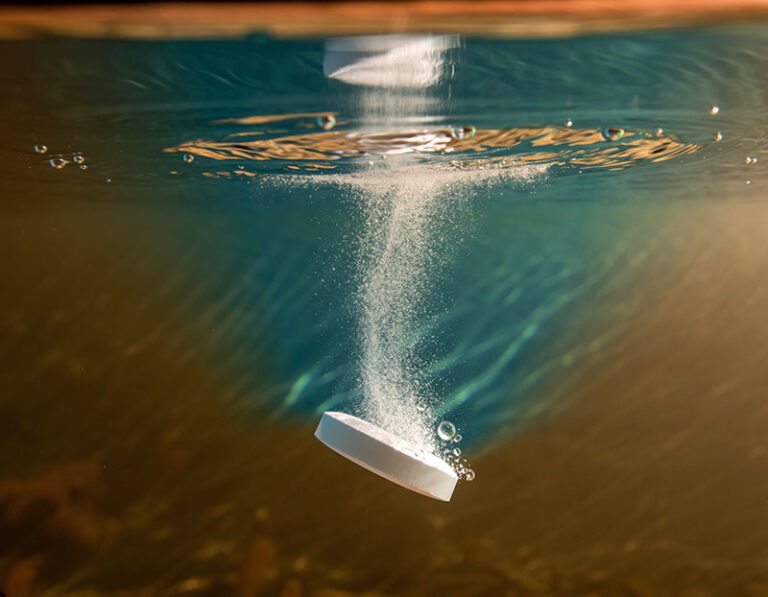
For hunters, healthy water sources can become valuable components of a complete habitat management strategy alongside food plots, native browse improvement and mineral supplementation.
An Added Benefit: Managing Conditions Associated with EHD
Epizootic Hemorrhagic Disease (EHD) remains one of the biggest concerns for deer managers across much of the country. The disease is spread by biting midges, commonly known as no-see-ums.
According to Armor H2O’s manufacturer, the product helps biodegrade muck and organic material that can create favorable conditions for midge larvae development. By reducing accumulated organic sediment, pond managers may be able to create less hospitable environments for these insects.
While no pond treatment can eliminate EHD risk entirely, habitat management practices that improve water quality and reduce excessive organic buildup can be valuable components of a broader wildlife management program.
A Complete Deer Habitat Strategy
Successful deer management rarely depends on a single factor. The best properties combine quality nutrition, secure cover, dependable water, and sound herd management practices.
Many land managers invest heavily in food plots and soil health because they understand that healthier habitat leads to healthier deer. The same principle applies to water. Maintaining clean, productive wildlife ponds helps ensure deer have access to one of their most basic needs throughout the year.

Whether you’re managing a small water hole tucked into a timber stand or a larger wildlife pond near a food plot, improving water quality can be an important step toward creating a property that supports healthier white-tailed deer and more consistent wildlife activity.
Final Thoughts
Water may not receive the same attention as food plots or minerals, but it remains one of the cornerstones of quality deer habitat. Products such as Armor H2O Wildlife Pond Treatment offer land managers a practical way to reduce muck, improve water quality, and maintain healthier wildlife ponds.
For hunters and habitat managers looking to maximize every aspect of their property, clean water is another tool that can help keep deer using your land year-round.