I love everything about bowhunting, especially the fact that you have to get right in a critter’s wheelhouse to be successful. Raised a rifle hunter out West and mentored by men who were military snipers back in World War II, even with what are, by today’s standards, relatively simple rifles, optics, and ammunition, and without a rangefinder, taking an animal three football fields away became routine.
I first tried shooting a recurve bow while in college in the early 1970s, and frankly, I sucked at it. It wasn’t until I got my hands on my first compound bow – a Bear Archery Alaskan 6-wheel bow in 1978 – that I started giving bowhunting a real go. Compounds were first brought to market in 1967 by Holles Wilbur Allen and his 6-wheel Allen Compound Bow, and my Bear Alaskan featured dual-needle bearings, “micro click” adjustment, the “hot” C4 eccentric wheels that are all of about 1 inch in diameter, and a crude two-pin metal sight; I set at the pins at 15 and 25 yards. The pin gap is about the same as the gap between my 20 and 60 yard pins today. I shot with fingers, and couldn’t hit the broadside of a barn. But I kept at it.
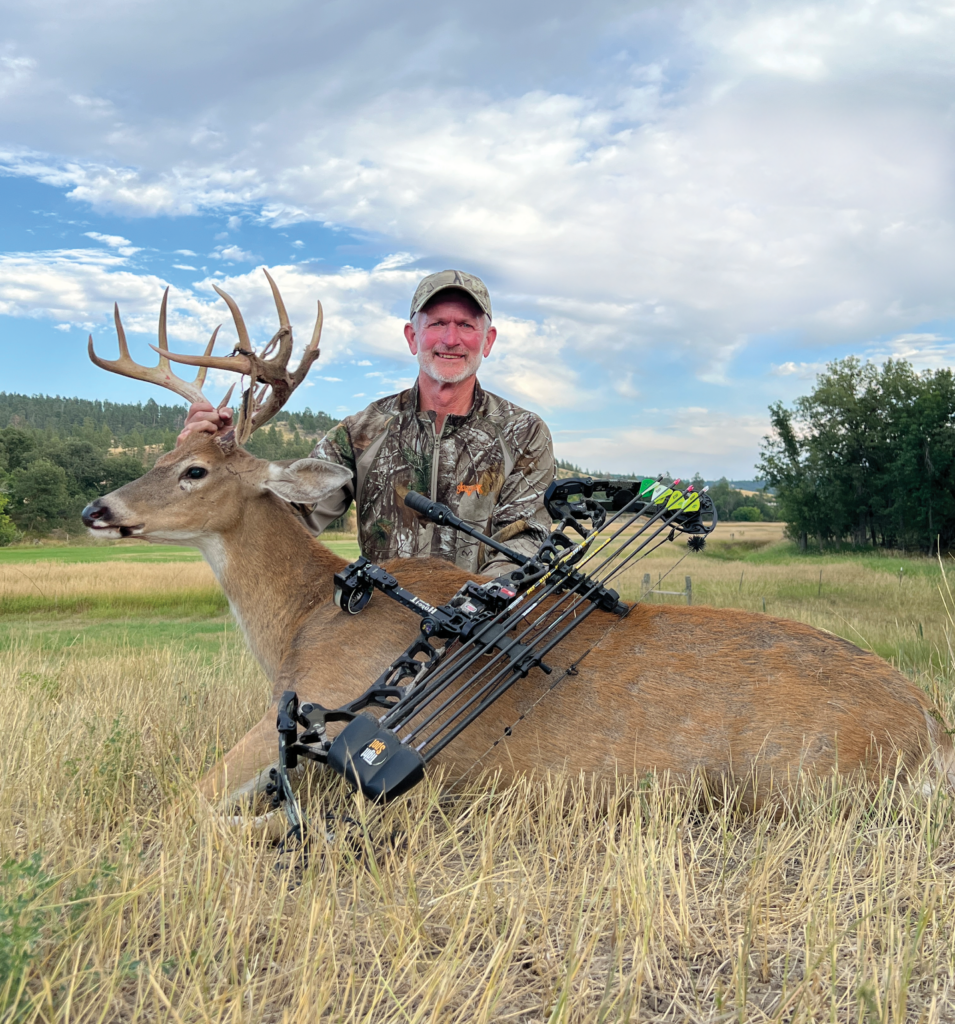
I got my first full-time job as an editor in the outdoor publishing business in 1979, and in 1982 went to work for Petersen Publishing Company’s Hunting magazine as an associate editor. It was all gun hunting then, but I still bowhunted some. In 1989, the company decided to start a new magazine devoted to bowhunting, Petersen’s Bowhunting, which I helped develop and was the first editor of. It was now my job to jump into the rapidly-changing world of archery and bowhunting with both feet, which I enthusiastically did.
What I’d learned up to this point about consistently, accurately shooting a compound bow was that it was basically the same as when I was a competitive athlete – practice is everything. Early compounds, accessories, arrows, and broadheads were primitive by today’s standards, finicky machines that had to be constantly fiddled with to keep them shooting accurate arrows. So, I shot a lot of practice arrows. Petersen Publishing was located on the Sunset Strip in West Hollywood, CA, my house in what could easily be described as a marginal neighborhood in Hawthorne, and the only archery range available to practice on in a big park in the San Fernando Valley 30 miles distant. Two mornings a week I’d leave my house at 0500 to beat the horrendous traffic, get to the range at 0600 – the park folks knew me and let me in before it was open to the general public – and I’d shoot practice arrows and test new bows for a couple of hours until fatigue set in. Then I’d drive another hour to a gym I belonged to, shower and change, and drive another 45 minutes to the office to begin my regular work day. And when I wasn’t off on a weekend hunt, I’d shoot Saturdays, too. And I’d practice shooting at the numerous rabbits living in the nearby desert foothills.
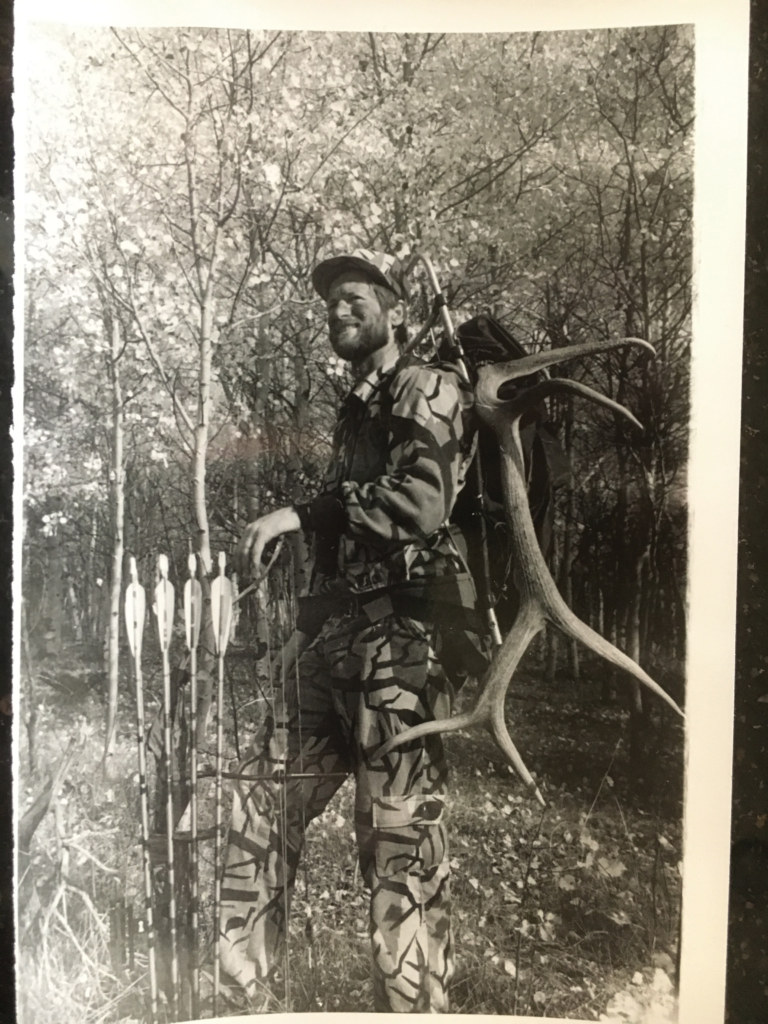
I killed my first archery deer back then, a 1.5-year old California mule deer, after blowing multiple stalks. I’d already killed several deer and pronghorn with a rifle, and who knows how many waterfowl, quail, and doves, but taking that buck with my bow lit an already smoldering fire inside me. All I wanted to do was bowhunt.
In 1991 I moved to Valdez, Alaska, to begin my fulltime freelance outdoor writing career, and centered it around bowhunting. In 2005, my wife Cheryl and I moved to Tucson, AZ, where we stayed until 2020. During those years, I traveled the world to hunt, 90 percent of it with my compounds. All this time I never forgot that, to be a successful bowhunter, one has to practice diligently. During winters in Valdez – which has an annual average snowfall of 327 inches – I’d shoot inside a large warehouse. The nearest archery pro shop was over 300 miles away, so I learned how to fix whatever needed fixing. In Arizona I lived in a windy area, so to get my practice shooting in before the winds made it difficult to shoot at any distance, I’d be in the desert at first light shoot my practice arrows, then head to the gym for an hour’s workout, then be in my office no later than 10:00 a.m. to start my “real” work day.
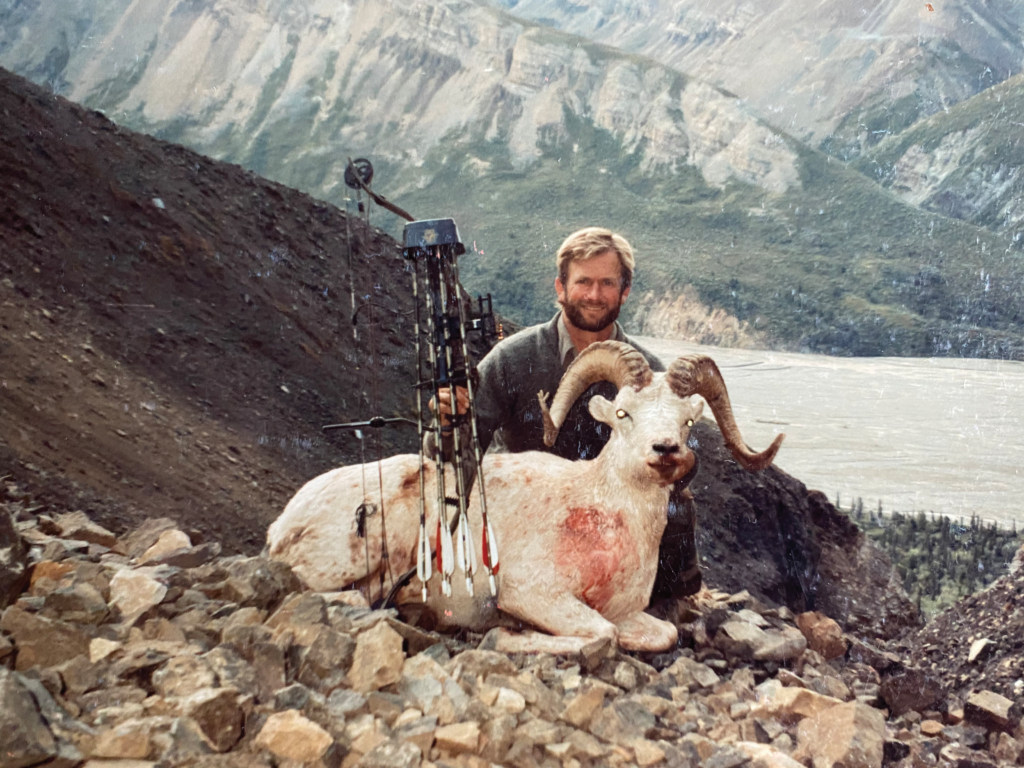
I was never really interested in indoor archery leagues, or competitive 3D shoots, or target archery in general. I trained both physically and with my bow shooting to be a bowhunter who could hike, climb and hunt the rough stuff, and make difficult shots when they were all I’d get. Sure, I have spent a ton of time in tree stands and ground blinds hunting whitetails, but since I’ve had to travel out-of-state to hunt whitetails my entire life, my training has always been focused on extending my own personal MESR (Maximum Effective Shooting Range.) I’ve found that if I can place my hunting arrows inside a six-inch circle at 70 yards, making a close-range shot on a whitetail is pretty easy – assuming one can control the adrenaline rush that comes with every close encounter. It’s kind of interesting that, even after all these years and all the animals I’ve killed, when I am on stand and a fat doe walks into range and I know I’m going to take her, my left leg starts vibrating and my heart rate goes into warp speed.
I’ve never forgotten that, as ethical hunters, it is our job to do everything in our power to make sure that when the time comes to take the life of one of God’s magnificent creatures, we can make an accurate shot that will do so quickly, cleanly, and humanely. That means shooting practice. Something important I’ve learned about practice is that volume isn’t as important as practicing properly. An old coach once told me that practice doesn’t make perfect, it makes permanent. If you continually practice using incorrect form, that will become your default setting, and when the time comes, you’ll loose the arrow incorrectly, which makes precision accuracy inconsistent. Which is why, rather than practice once a week and shoot a buttload of arrows, I practice several times a week, shooting three or four dozen arrows, more or less, over an hour-long session. This helps me stay mentally focused and to shoot with minimal physical fatigue.
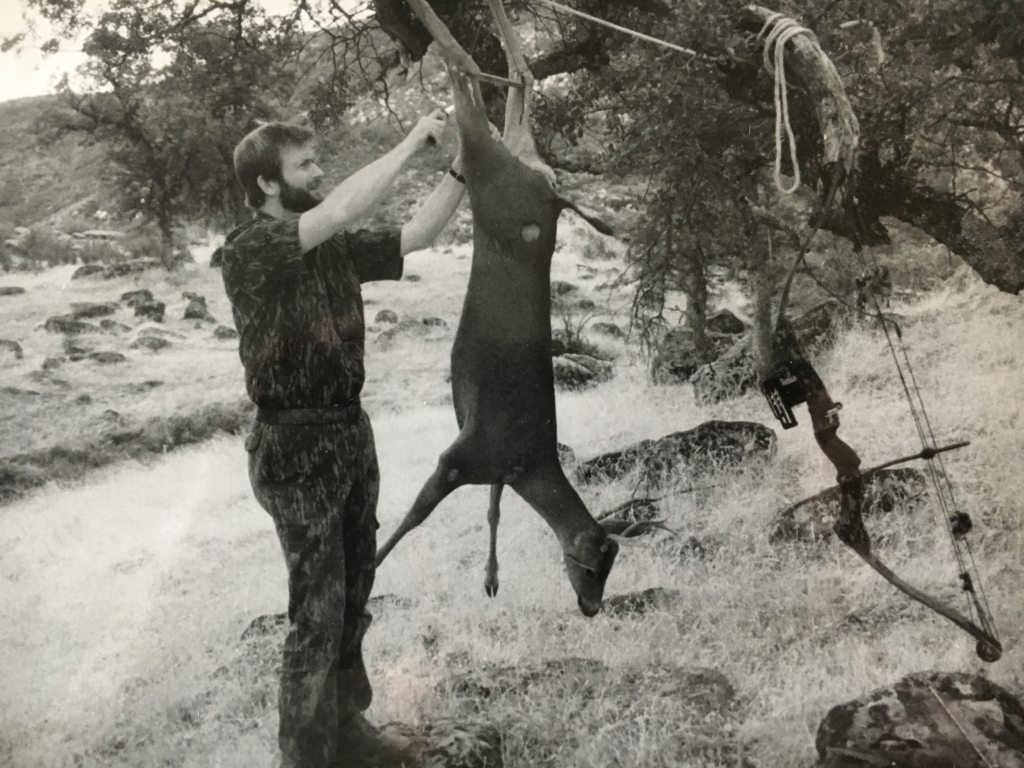
Even during hunting trips I’d shoot at least a few arrows pretty much every day. I’d pack a 12x12x3-inch foam square in a bush plane so I could shoot every day on remote hunts in Alaska. On hunts where I wasn’t afield dawn to dark, I would shoot arrows in camp every day at lunchtime. It was not unheard of to shoot a couple of practice shots in the headlights of a truck before daylight in camp, then a judotipped arrow out of a tree stand before climbing down at the end of the day.
Sadly, this is all about to end for me. In Arizona one year I wanted to be a legit hundred-yard shooter, and so I shot an inordinate amount of arrows from a high-poundage compound that resulted in a tendon tear in my left elbow that required surgery. That was only a flesh wound, as the Black Knight in “Month Python and the Holy Grail” so humorously said as King Arthur was hacking his limbs off. In spring 2025, I developed right shoulder pain so severe I had to quit doing most things, including drawing a bow back. The MRI showed a degenerative tear in the labrum, a split tear in the biceps tendon, two other tendons with partial tears and fraying, a bone spur, some osteoarthritis, some bone thickening, and some other stuff. It’s the result of a lifetime of competitive sports and shooting high-powered firearms, but mostly, I think, all those arrows.
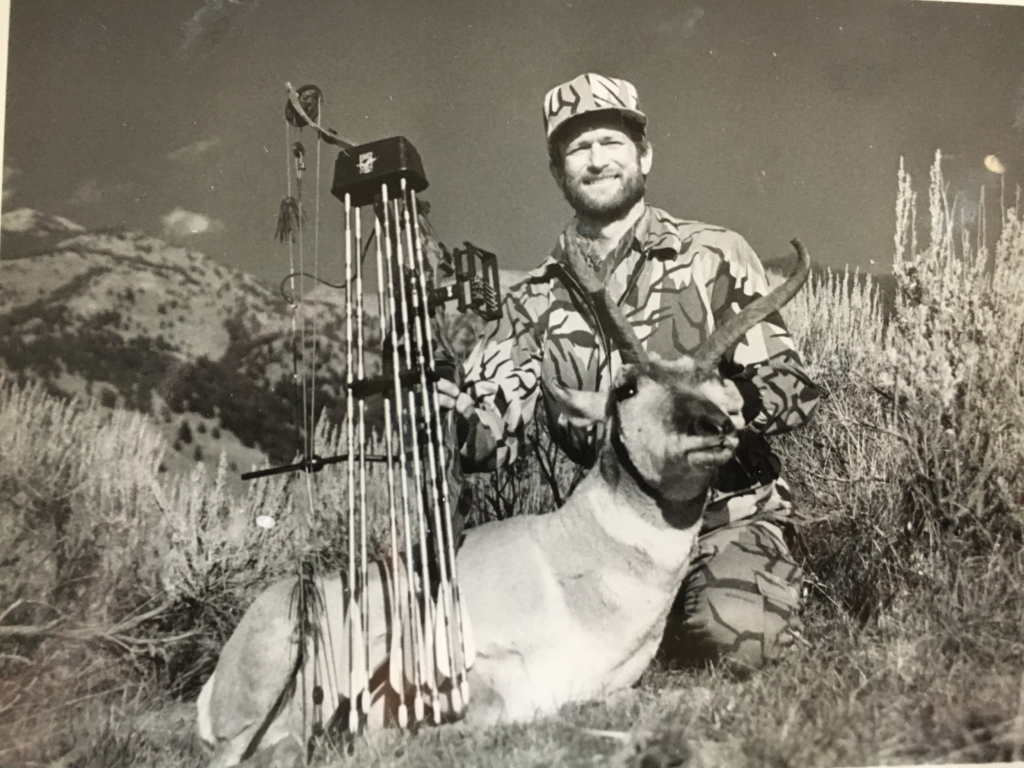
This got me to thinking: How many practice arrows have I shot over the decades through high-poundage compound bows? I never kept a logbook, so I am not really sure. Many months I shot every day, some only a few days a week. Some sessions were 50+ arrows, some half that, and during hunting season maybe only a couple of shots a day. Many days I shot both morning and evening sessions. But I figured it roughly averaged out like this: 40 years x 5 days of shooting/week x 30 arrows/day = 312,000. I loved it so much, I never thought of it as work.
As this is written I am heading for a rotator cuff surgery and have the doctor’s letter that says this injury will not allow me to shoot a compound bow going forward. To bowhunt I’ll have to shoot a crossbow, which I will so I can still enjoy archery seasons. It won’t be the same, but I’ll be out there, hearing bull elk bugle, watching whitetail bucks chase does hither and yon, seeing and smelling and feeling the wonders of hunting season.
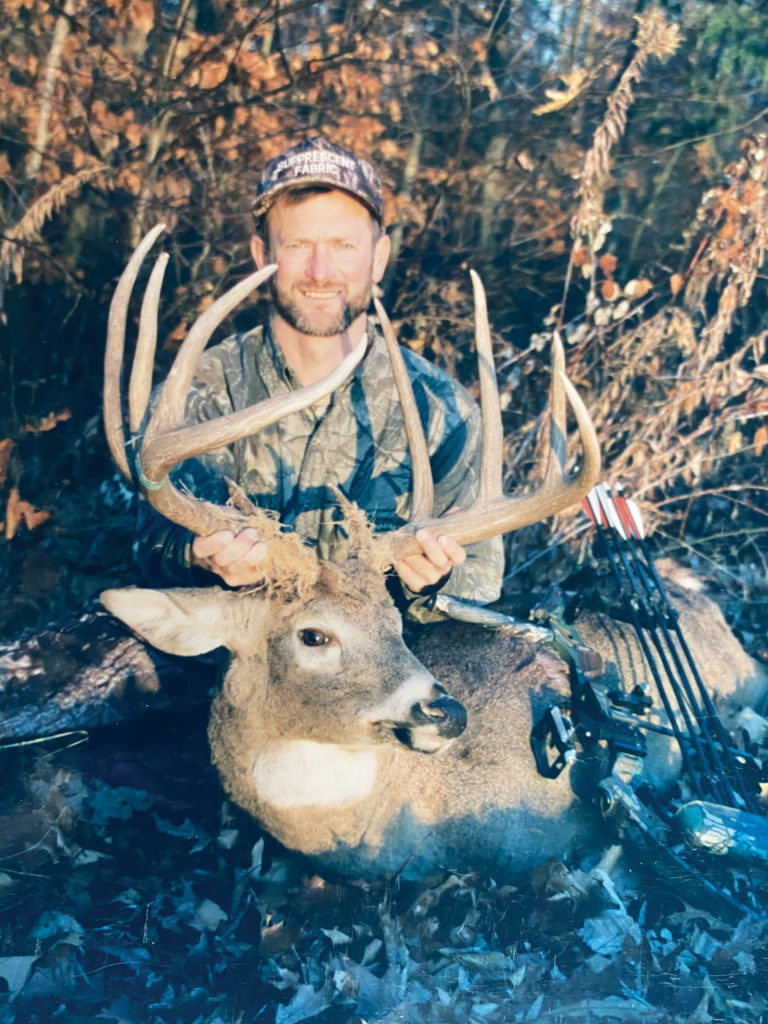
It’s been a helluva ride. And it was worth every minute.
Bob Robb has been a D&DH contributor for nearly 30 years. Read more of his articles below: