
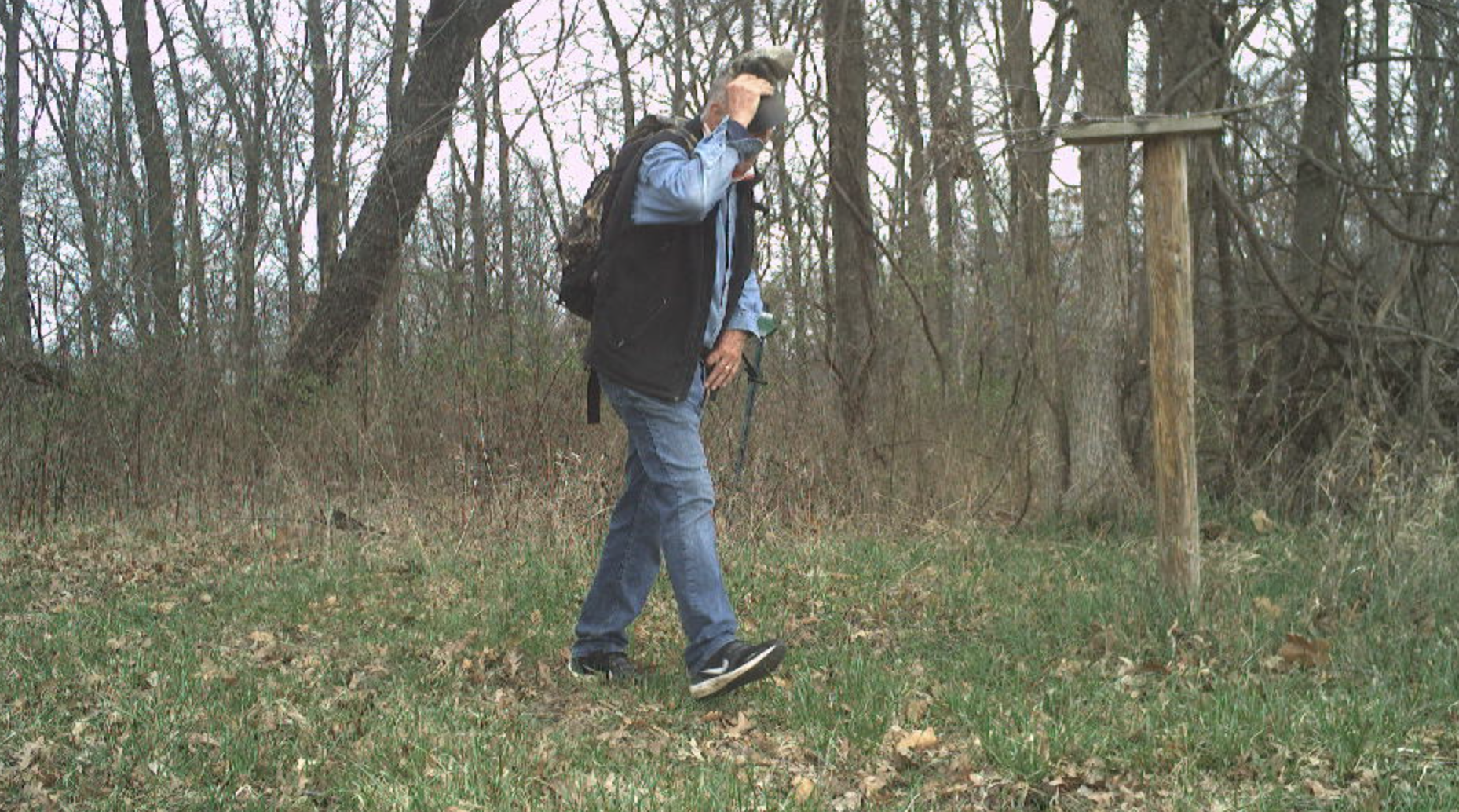
Few non-hunters grasp the time, energy, and heart invested in preparing a property for bow season. Countless hours are spent planting food plots, hanging stands, setting trail cameras, and studying patterns that have taken years to build. With every task checked off the list, anticipation grows — until it’s shattered by tire tracks across a field or, worse, the grisly discovery of a decapitated buck in the middle of a food plot.
I’ve witnessed this kind of violation firsthand, and it’s one of the ugliest feelings an outdoorsman can experience.
Lines in the Dirt
A few years ago, my father-in-law was preparing for what should have been a bow season to remember. He had discovered a heavy nine-pointer roaming his family farm in Ohio and, convinced this deer could be the biggest of his life, began meticulously scouting and monitoring trail cameras. The buck became a regular on camera, often crossing the road from a neighboring farm. Stands were hung, a plan set. Opening week held nothing but promise.
But just days into the season, those hopes collapsed. A poacher, under cover of darkness, shot the deer from the road.
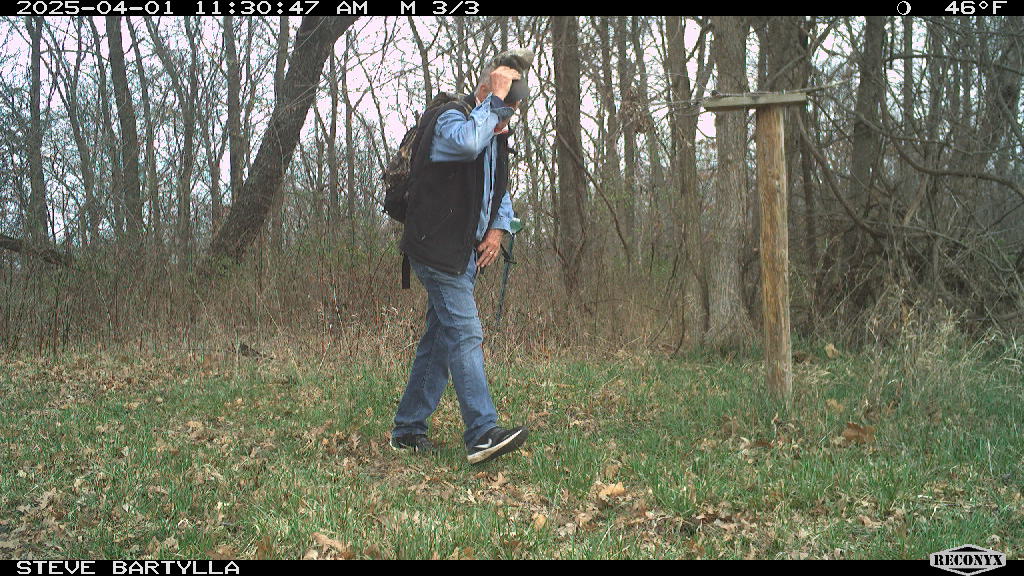
For most hunters, the thought of killing a deer illegally is unthinkable. Yet stories like this happen far too often. Poachers damage more than wildlife and property — they erode the reputation of ethical hunters everywhere. And while you can’t control the actions of others, you can make your land a tougher target.
1. Post It Proud
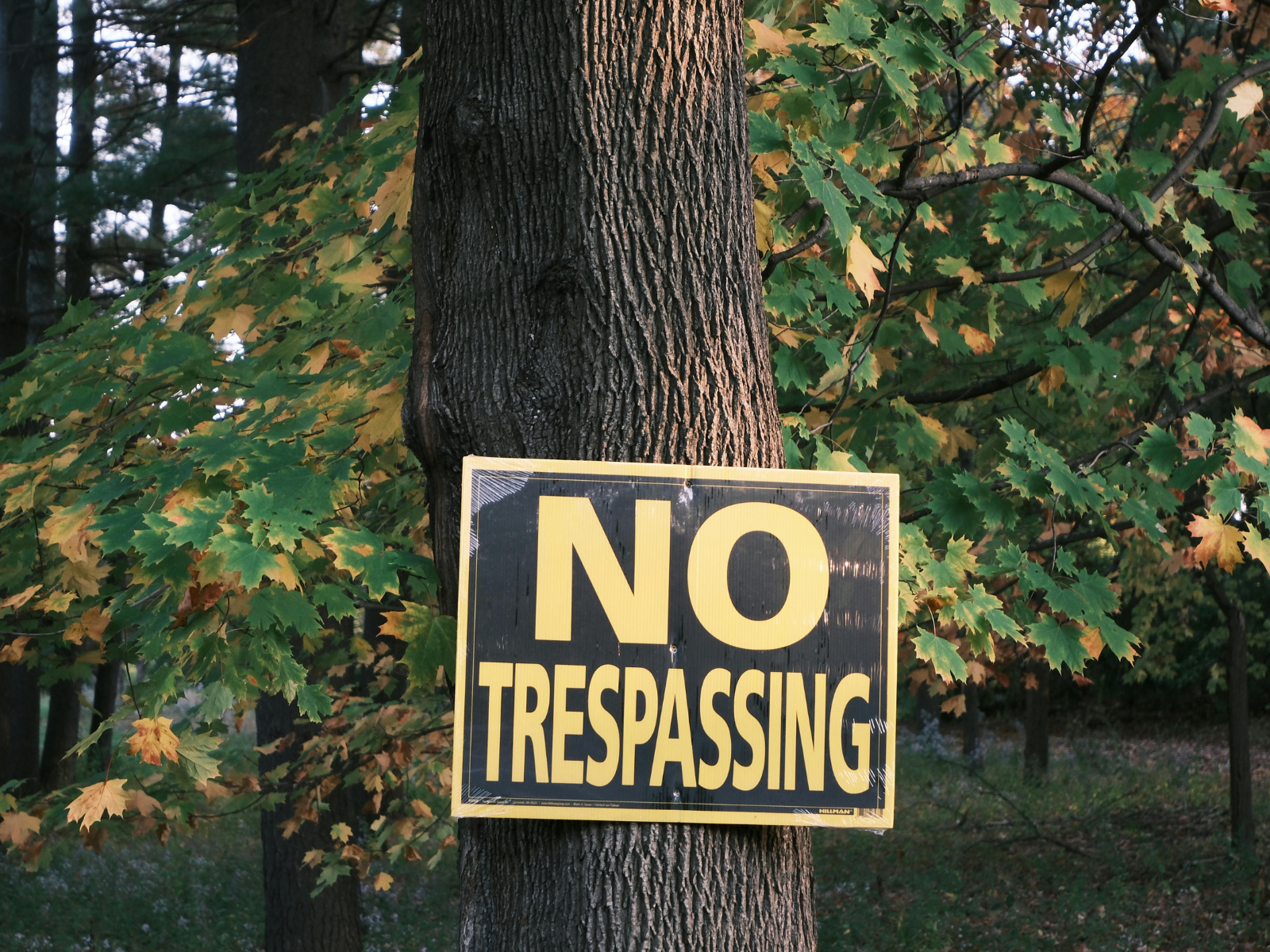
Modern mapping apps like onX and HuntStand leave little excuse for “accidental” trespassing, but some people prefer to play ignorant. Posted signs remove all doubt. A “No Trespassing” notice at every entrance, parking spot, and stretch of fence leaves little wiggle room, especially when hung high enough to resist tampering but still within easy view.
Some states even allow specific paint markers to serve the same purpose, so it’s worth checking local regulations before you start.
2. Hide the Prize
Positioning food plots or mineral sites close to the road is an open invitation for a midnight shooter. Better to place them deeper within your ground.
If that’s not possible, use cover as a shield. Hinge-cutting trees can create an instant barrier while also encouraging new browse. Planting long-term screens like switchgrass, shrubs, or evergreen rows will hide activity from prying eyes while strengthening wildlife habitat for years to come.
3. Lock the Gate
A locked gate or chain stretched across an old road may not stop the most determined trespasser, but it certainly sends a message.
My father-in-law learned this the hard way after losing trail cameras to ATV riders who discovered an old, abandoned county road on his farm. Once he put up a steel gate and heavy lock, the problem ended.
4. Get Eyes in the Trees
Trail cameras can be your silent witnesses, documenting both wildlife and unwanted visitors. Position them not only in deer hot spots but also near driveways, fencelines, and hidden approaches.
A clever trick is to hang a decoy camera in plain sight while mounting another high in a tree nearby to catch thieves in the act. Many poachers assume they’ve beaten you by stealing the obvious camera, never realizing they’re still on film.
5. Call in the Network
Even with the best preparation, no one can watch their property every hour of every day. That’s where a strong network of neighbors and local wildlife officers becomes invaluable. A simple phone call from a farmer down the road about a suspicious truck can make all the difference.
Relationships matter: introduce yourself, exchange phone numbers, and make sure folks know what vehicles you drive. Sometimes small gestures — permission to fish, chase small game, or even a package of venison — create the kind of goodwill that pays dividends when eyes and ears are needed most.
6. Don’t Have Loose Lips
It also pays to use discretion. Talking too freely about a giant buck you’ve been following can backfire quickly. Even well-meaning neighbors may share that information with someone less trustworthy. Keeping details close until after a deer is tagged is often the safest choice.
7. Hold Them to Account
And if, despite your efforts, a poacher crosses the line, don’t let it slide. Document everything — tire tracks, shell casings, photos from cameras, and eyewitness accounts. Present a complete picture to your local game warden.
When my father-in-law lost his nine-pointer, that’s exactly what he did. The investigation uncovered multiple illegally taken deer on the poacher’s property, and charges were filed. Persistence, along with community cooperation, was what finally closed the case.
Mistakes vs. Malice
Of course, not every trespass is malicious. A lost hunter, a teenager chasing a coon dog, or a confused neighbor might wander across your line by mistake. Use judgment before escalating — there’s a clear difference between a careless misstep and a deliberate act.
Protect the Hunt
Poaching is an ugly reality, but it doesn’t have to ruin your season. With vigilance, smart land management, and a willingness to lean on neighbors and wardens, you can stack the odds in your favor. Guard your ground, and you’ll not only protect your deer but also preserve the integrity of the hunt.
Enjoy this article? Get more whitetail strategies and land management tips like this every week, plus guides on the latest gear, news, recipes and more here.