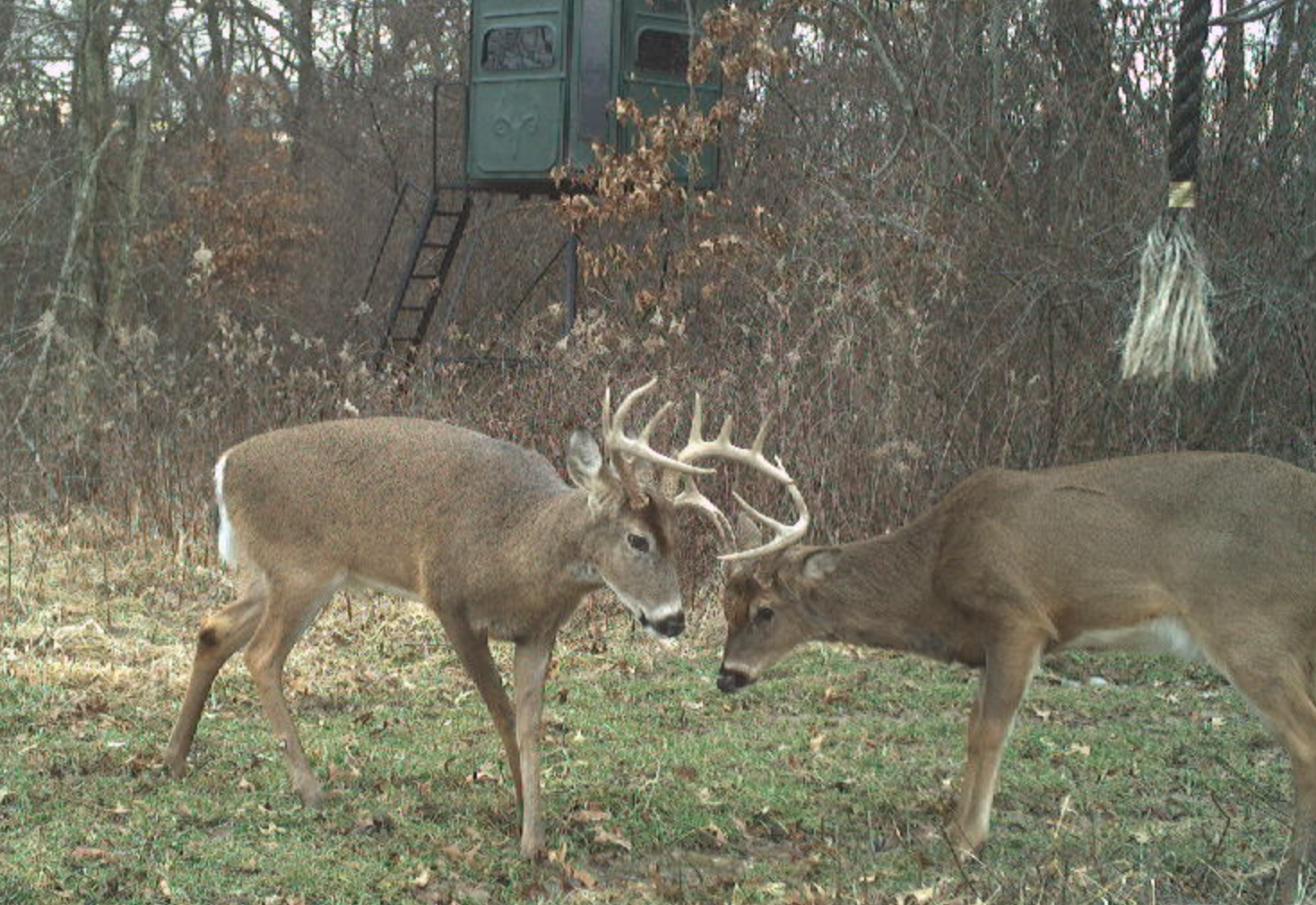
It’s a hunter’s version of a nightmare. Opening day is just around the corner. You’ve patterned a trophy buck, have your stands set, and the season’s plan ready to roll. Anticipation is high – then suddenly, it all unravels. Permission is revoked. The property sells. A lease falls through. In an instant, the dream of a perfect season is gone.
Most hunters can relate. I once read that the only constant in hunting land is this: if you don’t own it, you’ll eventually lose it. Having already lost several hard-earned honey holes myself, I knew those were some of the truest words ever written.
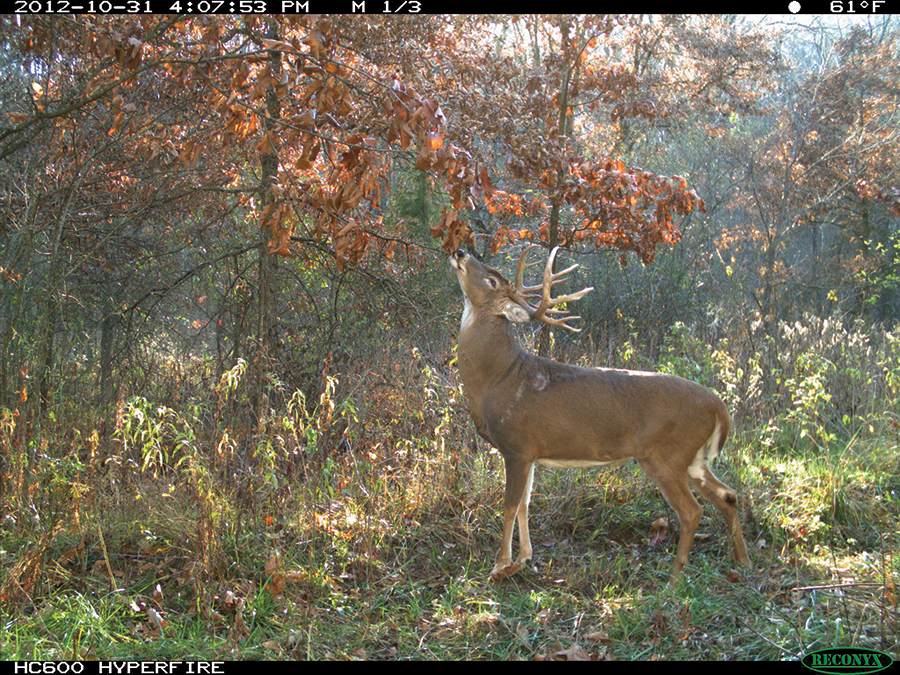
The ways it can happen are countless. Maybe a neighbor backdoors you on a lease. Maybe the landowner’s views change, or the farm gets rezoned or sold. Sometimes the ground itself simply goes bad. Cover is cleared for cropland, a road carves through prime bedding, or heavy hunting pressure shifts deer elsewhere. Natural disasters can do the job, too. With so many forces working against us, it’s clear that securing and maintaining a place to hunt is as much a skill as filling a tag.
And no one knows more about the pressure of retaining prime land than today’s outfitters. To them, it’s survival. So, I asked three who’ve made an art out of keeping access. Their combined strategies, blended with my own experience, offer a roadmap for anyone chasing deer on land they don’t own.
Keep What You Have
The first priority, every outfitter stressed, is doing everything possible to avoid losing current ground. Jake Roach, co-owner of Performance Outdoors, summed it up best: “Making and maintaining personal contact with landowners is an important part. Being face-to-face builds relationships, trust, and can head off problems before they start. Whether you lease or have free permission, being friends with the landowner gives you a big advantage.”
That friendship, Roach explained, isn’t just about goodwill – it’s about communication. Informal visits let him explain what his guides plan to do, and just as importantly, give landowners a chance to raise concerns. “If we find out early there’s an issue, we can fix it before it becomes a real problem. Doing this helps show them we care about their land as much as they do.”
Respect for property is non-negotiable. Roach’s guides follow strict rules: never drive off established roads, never rut them up when wet, always shut gates – even if they’ll be back in five minutes – and never damage trees with screw-in steps or excessive trimming. Crops and cattle are treated as sacred. “The owner might say it’s fine to drive across a field,” Roach said, “but getting stuck one time can ruin a relationship permanently.”
For leased properties, Roach also offers incentives. If a farmer wants $2,000 for a year, he’ll offer a little more for multi-year commitments, sometimes with a right-to-match clause at renewal. “Most owners prefer the comfort of dealing with the same people year after year,” he said. The fact that he controls more than 20,000 acres of hunting ground speaks volumes about the effectiveness of this approach.
Always Have a Backup
Even the best relationships and leases aren’t bulletproof. Land changes hands. Situations shift. That’s why Donnie McClellan, owner of Bucks and Beards Outfitters, focuses on redundancy.
“You can never have too many places to hunt,” McClellan told me. He intentionally keeps hunter pressure light – one or two bowhunters per thousand acres – meaning he’s always on the hunt for more ground. “Having extra land allows me to rest properties that cool off, absorb losses if I lose access, and still give clients a quality hunt.”
Most of us don’t have outfitter-sized budgets, but the lesson applies. Each year, I try to secure permission on at least one new farm better than my weakest property. That way, even if I lose a place, my overall hunting quality improves over time.
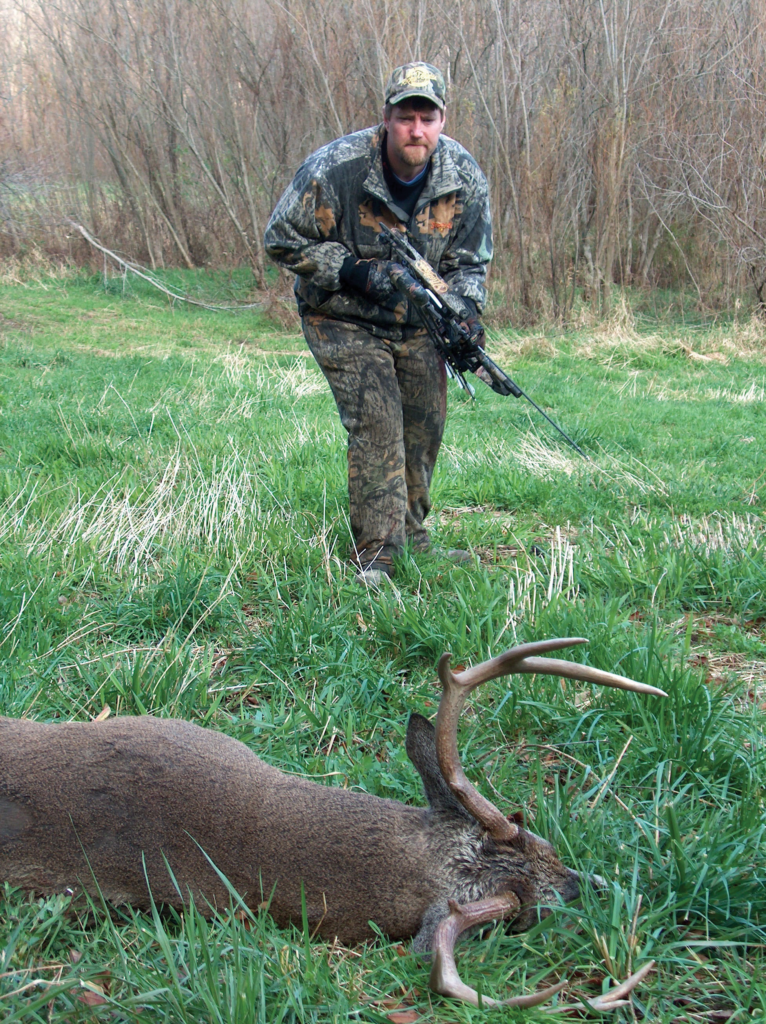
The same approach works on public land. Too many hunters treat public as second-class, but I’ve killed great bucks on open ground simply by working harder than the average hunter. Don’t stop at one or two good spots. Scout multiple properties, multiple stand sites, and always push for the less obvious corners. Even if you never need them, having a few “backup” honey holes cushions the blow if a private spot is lost.
Be Ready to React
Sometimes, keeping pace requires quick moves. Wisconsin outfitter Tom Indrebo put it bluntly: “You never know when something unexpected will happen. As a guide or hunter, you have to be ready for anything.”
Indrebo makes it a point to stay informed. He tracks deer on properties across his area and keeps tabs on landowners’ attitudes toward hunting access. That way, if he loses a farm, he already knows where mature bucks are showing up and which owners might be open to discussion.
Most of us don’t have time to know every landowner, but we can do more than we think. Casual conversations at fence lines, feed stores, or farm visits can open doors down the line. A county plat book is another invaluable tool. When you spot a giant buck from the road, knowing exactly whose land he’s on – and who owns the ground bordering it – gives you a head start on finding access.
The Bottom Line
Losing a favorite hunting spot is inevitable if you hunt long enough. But by cultivating friendships with landowners, respecting their property, keeping backup options, and staying ready to move fast, you can soften the blow when it happens.
Another safety net is booking a hunt each year with a reputable outfitter. It’s not always cheap, but it guarantees at least part of your season will be on quality ground. And if you need a place to start, the Where to Go section in every issue of Deer & Deer Hunting lists some of North America’s best outfitters.
At the end of the day, access is the foundation of success. Without ground to hunt, no amount of scouting, planning, or skill matters. Protecting that access – like protecting a honey hole itself – should always be part of the plan.
– Steve Bartylla is host of DeerTopia TV on Pursuit Channel. You can see new shows as part of the D&DH Saturday Night Deer Camp block of programming. Shows can also be viewed at www.YouTube.com/DDHonline
Enjoy this article? Get more whitetail strategies like this every week, plus guides on the latest gear, news and more here.