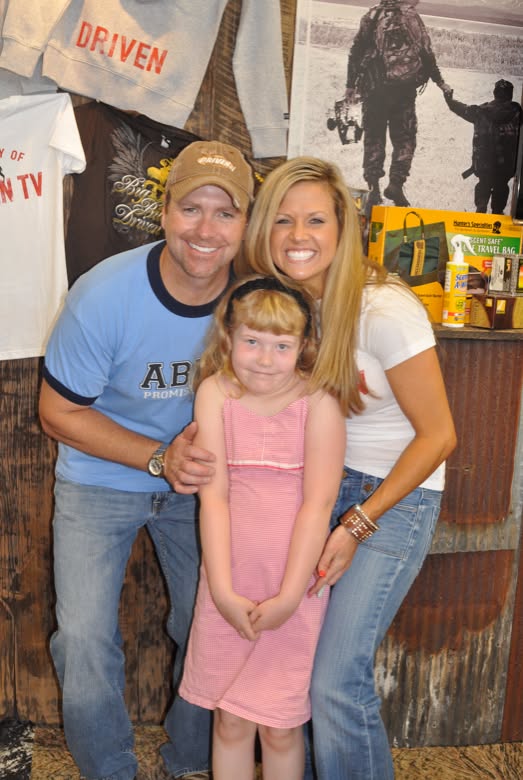
It was my daughter Taylor’s second — and final — year deer hunting. She’d taken a doe cleanly the season before, but this time everything felt different. She’d just been diagnosed with chronic asthma, and on top of that she was sick, fighting to breathe, yet she insisted on sitting in the blind with me, bundled against the bitter cold, determined to tough it out for her dad.
At last light, a buck stepped into Cory’s food plot, maybe 50 yards straight in front of our pop-up blind. A modest 5-pointer, we figured. I talked her through it quietly: steady breath, pick your spot, squeeze. The .243 cracked. The buck jumped — not the dramatic mule kick of a solid hit — then hopped across the property line fence and vanished.
I waited the full 20 minutes, then we walked over. No blood, no hair, no sign. It looked like a clean miss, a pulled shot. The neighboring property had just sold; we didn’t know the new owner, so we didn’t cross the fence to search. Disappointing, but hunts end that way sometimes.
The next morning I left for a trip to Kansas for an industry hunt with Norma Ammunition.
The rest of the week was brutal — freezing cold and no luck. I shot a small 8-pointer on the fourth day. My friend Wayne VanZwoll, the only other guy in camp, had taken a respectable buck a couple days earlier from the same blind I used.
When I got home the following Sunday, Cory told me the new neighbor had called: “Did someone on your side shoot at a small 5-pointer during gun season?”
I got the guy’s number and called him back. “Yes, my daughter took a shot at one. Why?”
“It’s lying about 20 yards over the property line on my side.”
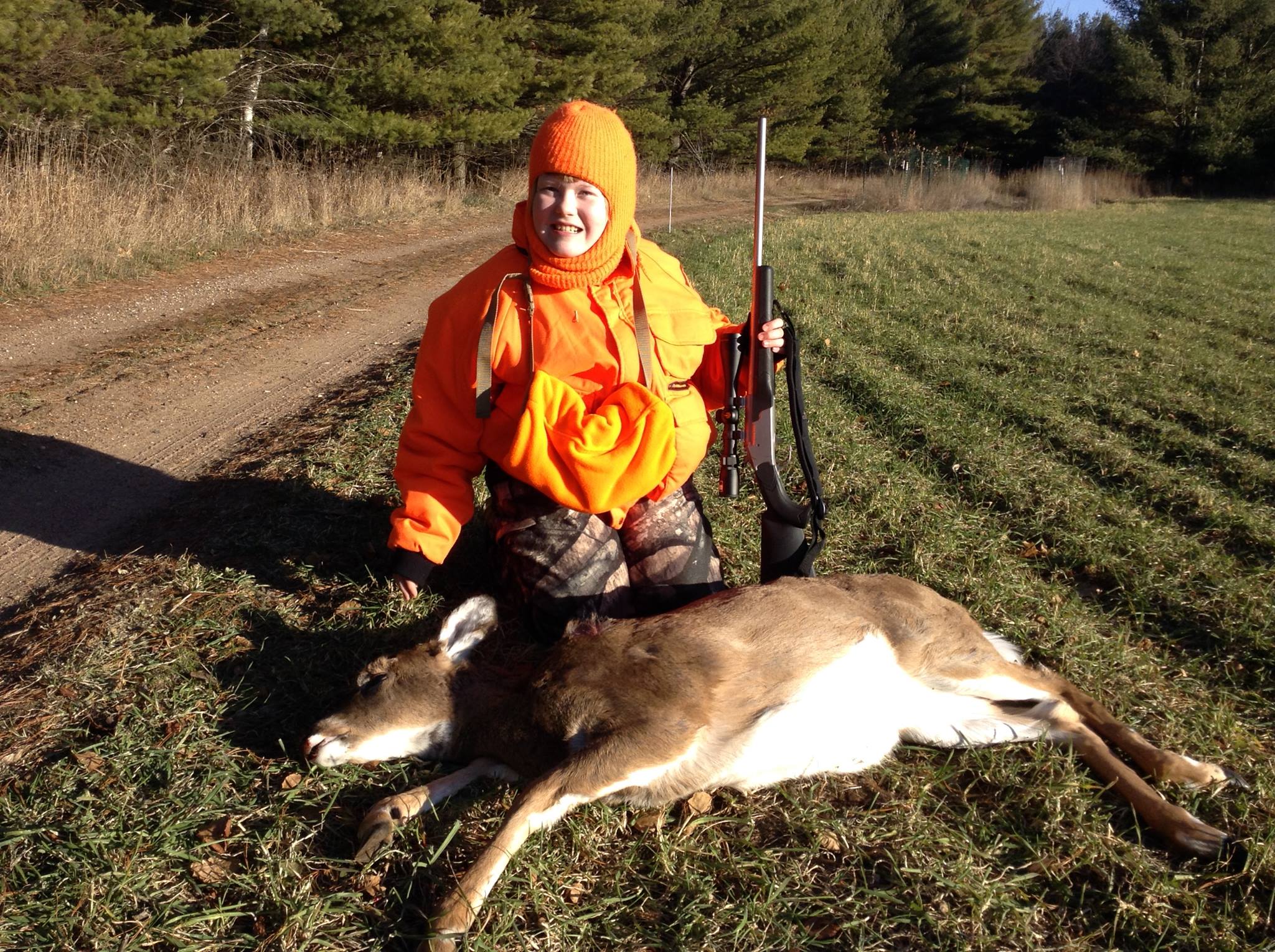
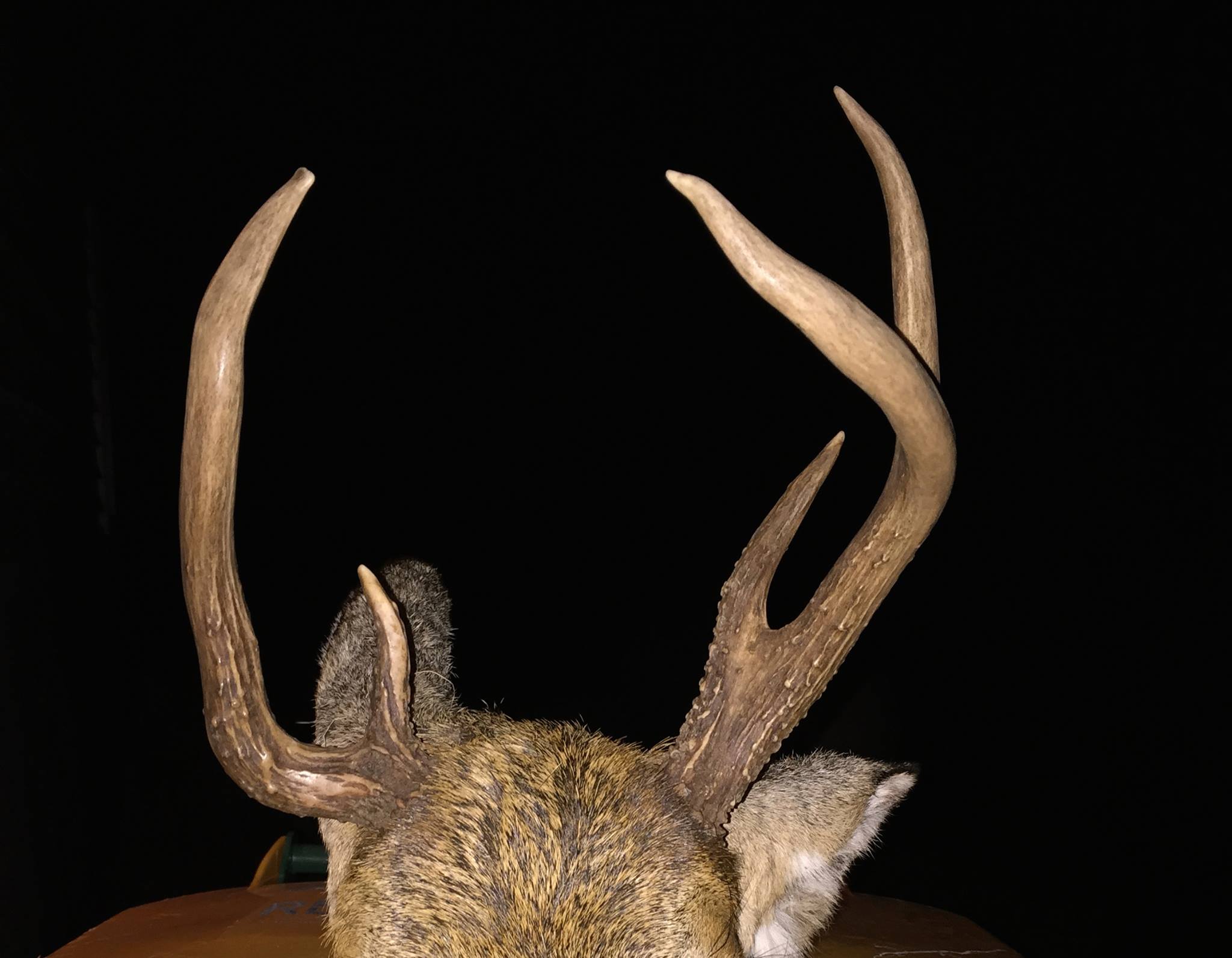
He was gracious, no attitude at all. He even walked me out to it. Same deer — small rack, unmistakable. The shot had been textbook: clean pass-through right in the crease behind the front leg, entry and exit the size of a pencil. A perfect lung hit on a quartering animal. She’d done everything right; the deer just hadn’t shown the sign we expected.
We tagged the deer, and I took the head to Chris, my longtime skull cleaner, a guy who’s done dozens of my mounts over the years. About a month later he called: “Your Euro’s ready.”
At his shop, he — dry humor like Steven Wright — looked at me and said, “You’re pretty good at aging deer by their teeth, right?”
“Decent,” I replied.
He handed me a lower jawbone. “Yearling.”
Another. “Two-year-old.”
Then he reached to the back of the table and handed me a third. The teeth were worn flat to the gum line, almost no enamel left.
“Oh my God,” I said.
“What?” he asked.
“Shoot … I don’t know. Geesh. Ten? It’s anyone’s guess.”
Without a word, he reached up to the wall, pulled down Taylor’s freshly cleaned European mount, and fitted that worn jawbone into the skull.
Perfect match.
After conferring with two guys I consider to be tooth-wear experts — my friend Lon Sherman and Lindsay Thomas Jr. of the QDMA — we all agreed the buck was at least 8½ years old.
I was stunned. Cory was, too, when I told him.
Then it got even better.
Over the next week, after work each evening, Cory went through four years of trail-camera photos from his property. There was the buck — same narrow frame, same modest 5-point rack, nearly unchanged year after year. We’d seen him plenty of times and never thought twice. It was one of those deer you just don’t register as “the same buck” when going through trail-cam photos.
In reality, this buck was an old survivor who’d made it through eight and a half Wisconsin winters on cunning and luck, grinding his teeth to nubs while carrying the same understated headgear season after season.
Taylor’s final hunt hadn’t been a miss at all.
It had been the perfect, improbable close to her short hunting career — and a quiet trophy no one saw coming.