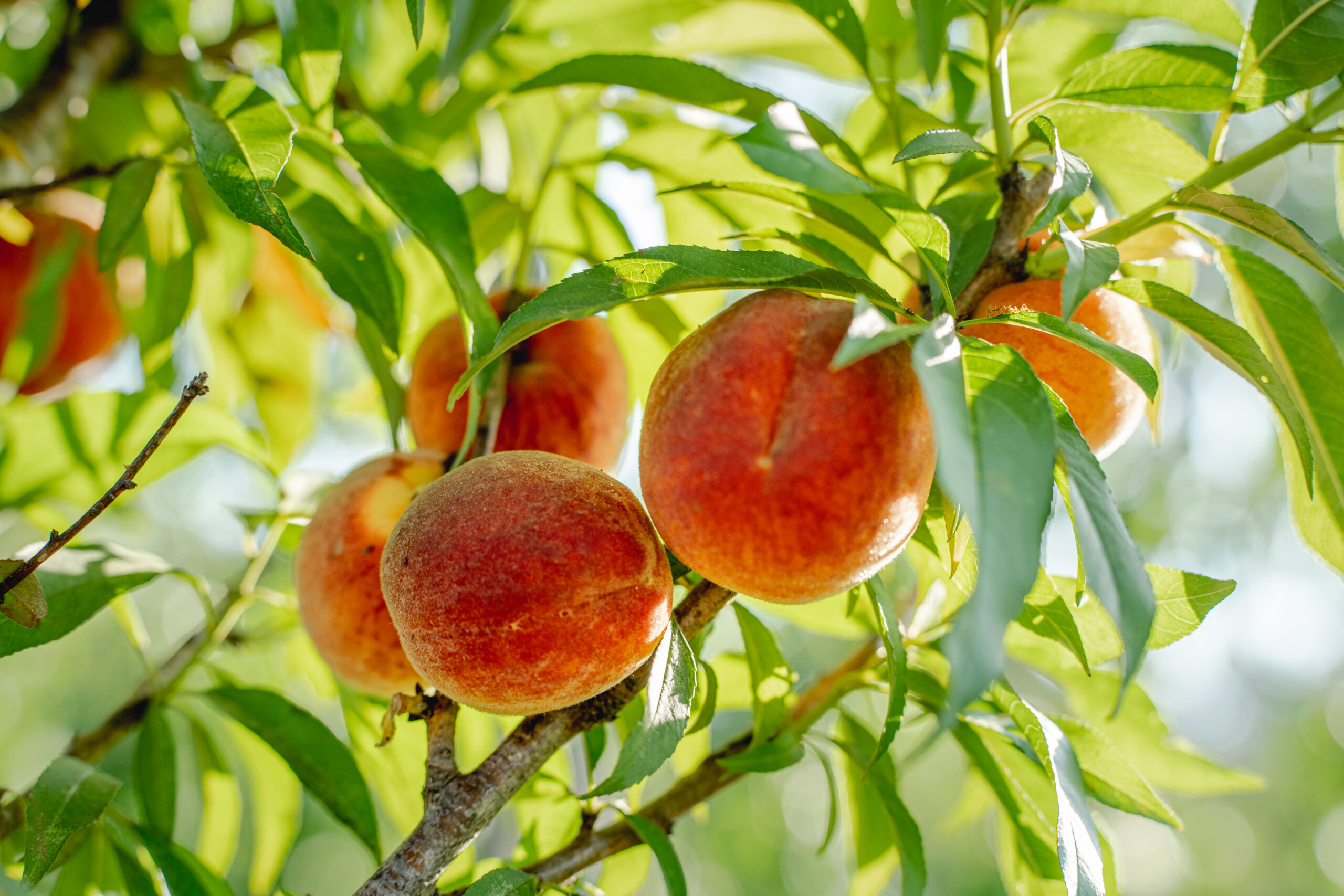
Mast orchards are a great way to increase the availability of nutrition for wildlife and those who plant them. The more diverse the crop selection, the wider that nutrition window becomes. Chestnut Hill Outdoors offers an array of soft mast species to supplement nutritional gaps that are not filled by hard mast species. Among them is a variety of peaches and plums that increase available nutrition and provide cover for protection from predators and the elements.
Climate is always a concern for orchardists, so it is important to select plant varieties best suited to the USDA plant hardiness zones in which they will be established. This system is most often used as a guideline to avoid areas that are too cold or cold for too long. However, some cold is necessary for fruit trees, particularly peaches.

“Chill hours” refer to the duration a fruit tree is exposed to temperatures between 32 and 45 degrees Fahrenheit during its dormant stage. These chill hours help the trees break dormancy, and an insufficient amount can result in poor fruit quality. Chestnut Hill Outdoors offers several varieties of low-chill (Flordaprince, TropicBeauty, and Tropic Snow) peaches and (Scarlet Beauty) plums for warmer climates in southern states. They are also suited to cooler climates up to USDA Zone 5.
|
Peaches |
|
|
Height at Maturity |
15′-25′ |
|
Spread |
15′-25′ |
|
Tree Form |
Rounded crown with upward-reaching branches |
|
USDA Zone |
9 |
|
Blooms |
FEB-APR |
|
Fruit Drop |
MAY-JUN |
|
Soil Type |
Upland, well-drained sandy clay or loam |
|
Soil pH |
6.0-7.0 |
|
Light Requirements |
Full sun |
|
Pollination |
Self-fertile |
Plums
Chestnut Hill Outdoors also offers a pair of native plums for areas where chill hours are of less concern. The American plum (Prunus americana) produces abundant early summer fruit and creates a dense thicket of cover. Its wide temperature tolerance range makes it a great option in most Plant Hardiness Zones. The Chickasaw plum (Prunus angustifolia) also does well in all but the coldest zones and forms suckers that create thickets wildlife use for bedding and security cover.

|
Plums |
|
|
Height at Maturity |
15′-25′ |
|
Spread |
15′-25′ |
|
Tree Form |
Rounded crown with upward-reaching branches |
|
USDA Zone |
9 |
|
Blooms |
FEB-APR |
|
Fruit Drop |
MAY-JUN |
|
Soil Type |
Upland, well-drained sandy clay or loam |
|
Soil pH |
6.0-7.0 |
|
Light Requirements |
Full sun |
|
Pollination |
Self-fertile |
Plant Hardiness Zones
When selecting stock, it is important to choose plant species specifically adapted to your area’s climate. One of the best tools for determining this is the USDA Plant Hardiness Zone Map. It divides the nation into 10-degree F zones based on average annual minimum winter temperatures. These Zones or Regions describe the range in which plants are adapted to and can be grown.
USDA Plant Hardiness Plant Zone Map: http://planthardiness.ars.usda.gov/PHZMWeb/
About Chestnut Hill Outdoors
Chestnut Hill Outdoors is the best place to purchase food plot and deer attractant plants because they offer a large selection, their plants are specifically bred to attract deer, and they offer customers different-sized plants at different levels of growth. To ensure you receive the maximum benefit from their products, they also provide sound advice and instruction on proper planting and care. For more on Chestnut Hill Outdoors products and how to care for them, visit ChestnutHillOutdoors.com, or call (855) 386-7826.