For deer hunters looking to improve habitat, create a reliable food source and attract more whitetails to their property, few trees have earned more attention in recent years than the Dunstan Chestnut.
Known for producing sweet, highly nutritious nuts that deer prefer over acorns, Dunstan chestnut trees are now planted across much of the country by land managers, hunters and orchard growers alike. Their combination of disease resistance, annual production and wildlife value has made them one of the most widely planted chestnut trees in the United States.
A Modern Version of an American Legend
The American chestnut was once one of the most important trees in Eastern hardwood forests. Before the early 1900s, chestnut forests stretched across millions of acres and provided a major food source for wildlife including bears, turkeys, squirrels and white-tailed deer.
That changed after a fungal blight was accidentally introduced from Asia in 1904. Within decades, the disease devastated American chestnut populations and dramatically altered forest ecosystems throughout the eastern United States.
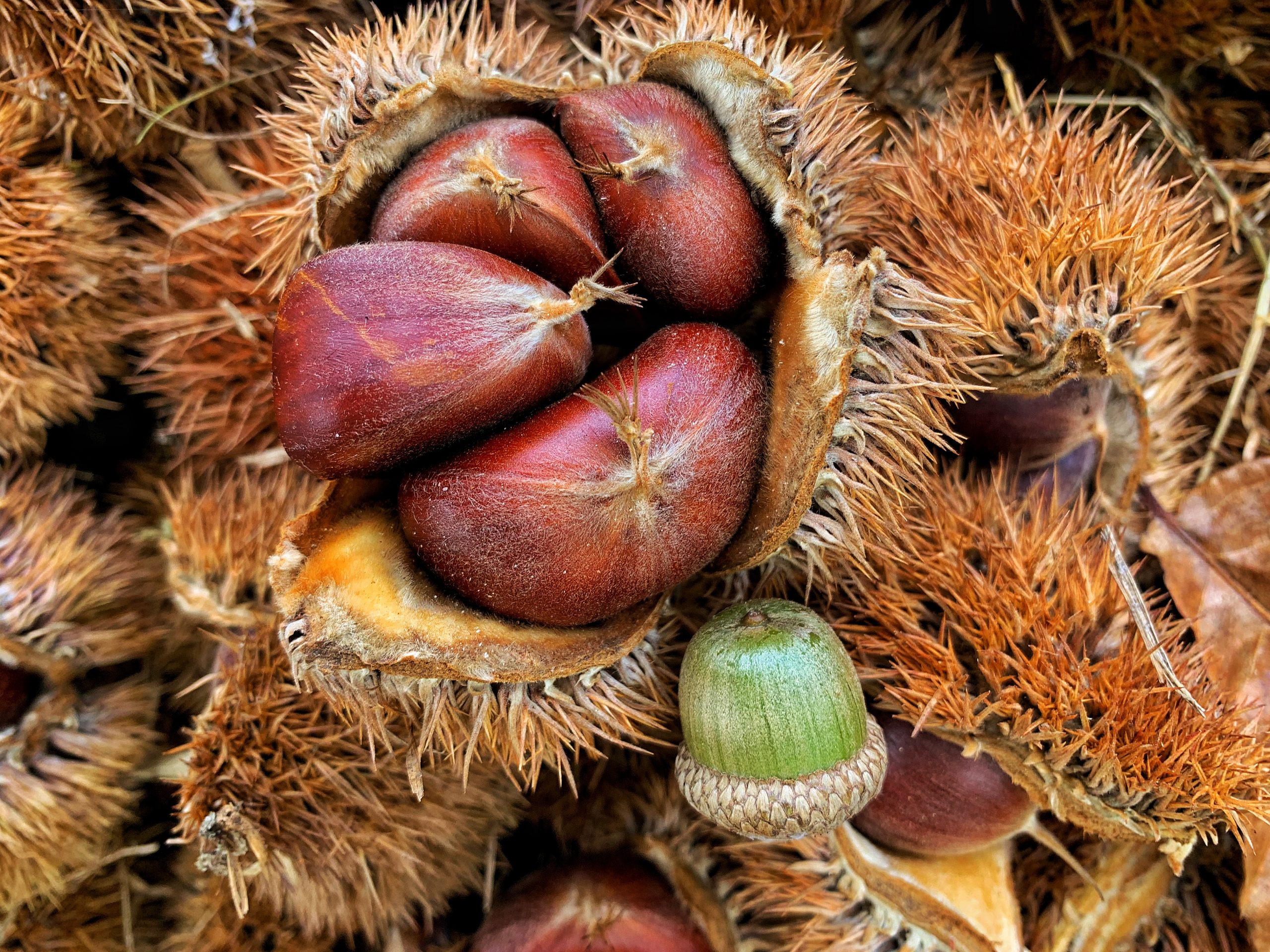
The Dunstan Chestnut was developed to help restore many of the qualities that made the American chestnut so valuable. Plant breeder Dr. Robert Dunstan crossbred American and Chinese chestnut varieties to create a tree that combined the large, sweet nut characteristics of the American chestnut with the blight resistance of the Chinese chestnut.
Today, Dunstan chestnuts have proven successful across a wide geographic range, including states from Maine and New York west to Wisconsin and Illinois, and south into Texas and Florida.
Why Deer Prefer Chestnuts
One of the biggest reasons hunters plant chestnut trees is simple: deer love them.
Chestnuts are high in carbohydrates and contain up to 10% protein, making them an excellent energy source during the fall and rut periods. Unlike many acorns, chestnuts contain little to no tannic acid, also known as tannin, which gives some nuts a bitter taste.
Whitetails are extremely sensitive to bitterness. Hunters have long observed that deer generally prefer white oak acorns over red oak acorns because white oaks contain less tannin. Chestnuts take that preference even further.
Research conducted by Dr. James Kroll, widely known as “Dr. Deer,” demonstrated just how attractive chestnuts can be to whitetails. In testing conducted at the Whitetail Research Institute in Texas, deer reportedly consumed chestnuts at a 100-to-1 ratio compared to acorns, even though the local deer herd had not encountered chestnuts for generations.
For hunters, that preference can translate into more consistent deer activity around feeding areas during early fall and throughout hunting season.
Reliable Production Year After Year
Another major advantage of Dunstan chestnuts is consistency.
Unlike many oak species that experience boom-and-bust mast cycles, Dunstan chestnuts produce heavy annual crops. Trees commonly begin producing nuts within three to five years under good growing conditions, though trees in colder climates such as USDA Zone 5 may take five to seven years before bearing.
The nuts are large, sweet and typically range from 20 to 35 nuts per pound. Young trees can produce approximately 20 pounds of nuts within 10 years, while mature trees may yield 50 to 100 pounds annually.
That dependable production helps make chestnuts a long-term investment for hunters interested in improving habitat and concentrating deer activity.

In fact, orchard growers often report that deer pressure becomes one of their biggest management challenges. Some commercial growers have seen substantial increases in harvest numbers simply by collecting nuts more frequently before deer consume them overnight. Others have fenced entire orchards to keep deer out.
Choosing the Right Planting Site
Like most mast-producing trees, Dunstan chestnuts perform best when planted in the proper location.
According to planting recommendations from Chestnut Hill Outdoors, chestnuts should be planted in full sun with well-drained soil and a pH between 5.0 and 6.5. Poor drainage is one of the quickest ways to lose young chestnut trees.
South-facing slopes are often ideal because they provide warmth and good air drainage. Hunters should avoid low-lying frost pockets where cold air settles. In especially cold or windy regions, a more protected north-facing slope may help shield young trees from harsh winter conditions.
Dunstan chestnuts are generally hardy in USDA Zones 5 through 9 and require at least 300 chill hours each winter to properly produce nuts.
Proper Planting and Early Care
Successful chestnut planting starts with careful handling and proper watering.
When planting bare-root trees, dig a hole roughly twice as wide as the root system and plant the tree at the same depth it grew in the nursery. If planting grafted stock, avoid burying the graft union.
After planting, water thoroughly and create a shallow basin around the tree to help retain moisture. Newly planted chestnuts require consistent watering during their first growing season, especially once buds break and leaves emerge. The planting guide recommends watering at least twice per week during the growing season and more frequently during dry periods.
Weed control is equally important. Grass and weeds compete aggressively with young trees for moisture and nutrients. Mulch, weed mats and regular vegetation control can significantly improve survival and growth rates.
The guide also recommends using grow tubes for wildlife plantings. These tubes help protect young chestnuts from deer browse, rodents and rabbits while also creating a greenhouse-like environment that encourages early growth.
One common mistake new growers make is overfertilizing young trees. Chestnut Hill Outdoors advises against applying fertilizer immediately after planting because excessive fertilizer can damage tender root systems.
A Long-Term Investment for Deer Habitat
Planting chestnut trees is not an overnight solution for attracting deer, but many hunters view them as one of the best long-term habitat improvements they can make.
A healthy chestnut planting can provide decades of dependable nutrition while drawing deer to predictable feeding locations year after year. Combined with food plots, bedding cover and sound hunting pressure management, chestnuts can become a centerpiece of a productive deer property.
For hunters willing to invest time into habitat management, Dunstan chestnuts offer a rare combination of wildlife attraction, nutritional value and annual consistency that few other mast trees can match.
Order trees at chestnuthilloutdoors.com and subscribe to our newsletter to get updates on their sales and tree deliveries to a store near you!